


.svg)
 Motor Vehicle Accidents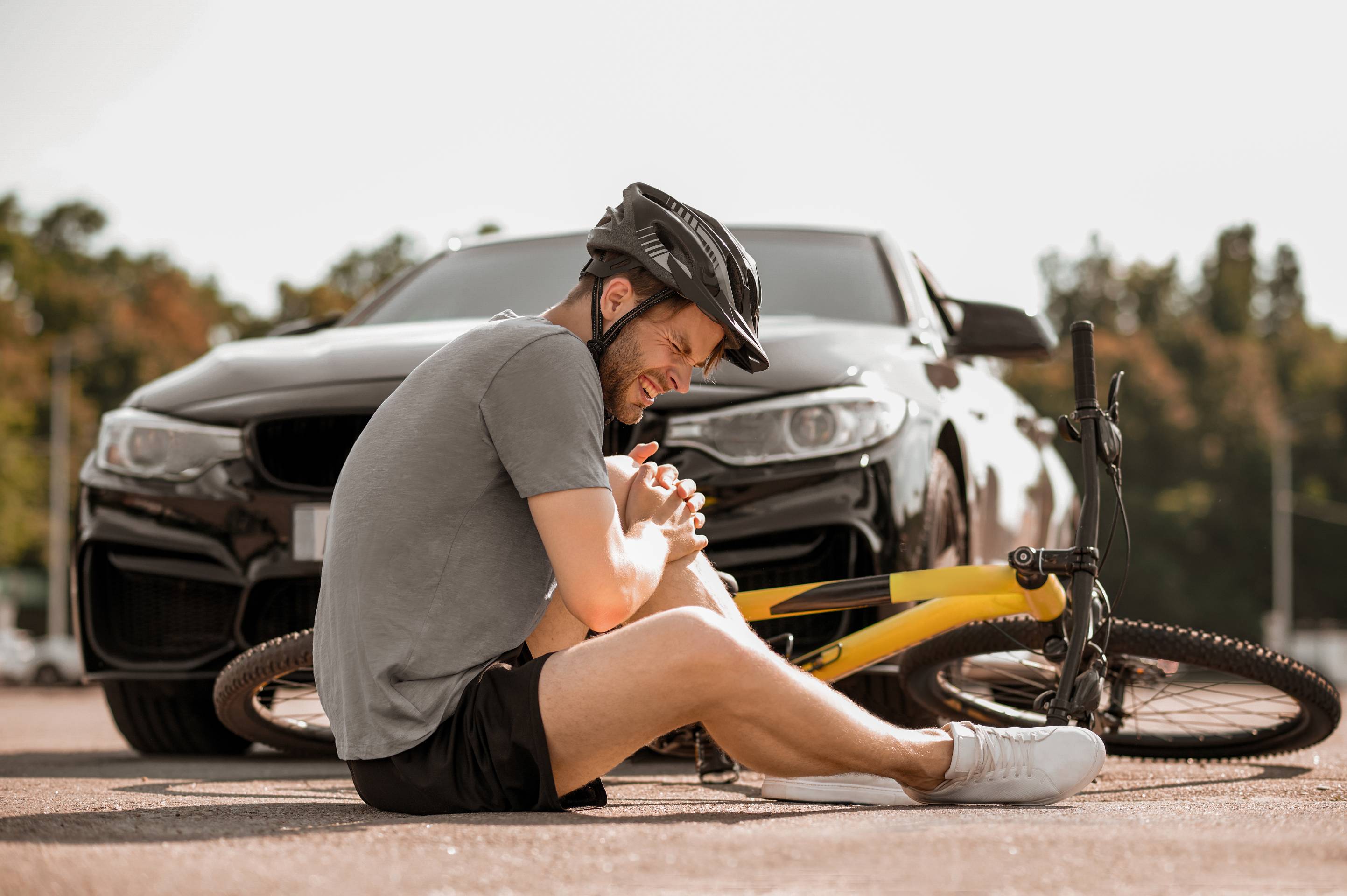
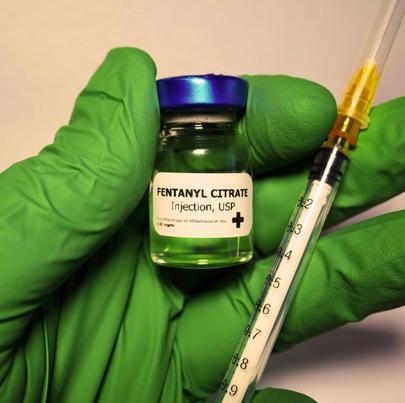
Fentanyl and Its Analogues Put Emergency Workers in Danger
Call: (312) 609-0400
or fill out the Contact Form
Job Categories at Risk for Fentanyl Exposure
The CDC has identified specific areas where first responders may end up in contact with these dangerous drugs. These include law enforcement professionals, evidence handling, investigation, special operations, pre-hospital patient care, special operations, and decontamination. Each of these areas has the potential to bring individuals in contact with fentanyl, and several have the potential to aerosolize the drug which increases the risk of inhalation. Workers in these fields need to take proper precautions to protect themselves.Identifying and Preventing Fentanyl Exposure
Prompt medical attention can help reduce the risks of fentanyl exposure, which is why workers need to be able to recognize these symptoms. Feelings of dizziness and overall feelings of problems in the body are common after exposure. True toxicity will cause respiratory effects that can be fatal if not properly treated. Because of the risks first responders and emergency workers face, learning to reduce fentanyl exposure is critical to keeping emergency workers safe. In order for the drug to be toxic, it must enter the blood and brain. Simply being near the drug does not cause adverse side effects. For this reason, the goal of prevention should be preventing the types of exposure that could lead to toxicity. Workers must be taught the right personal protection equipment to sue and how to use it properly. They also need to know when exposure is likely. Nitrile gloves, respiratory protection, and splash protection are all critical. Finally, workers need to be taught how to recognize the symptoms of exposure, and their rights to seek the help of a medical provider as well as a workplace injury lawyer when exposure does occur.Call: (312) 609-0400
or fill out the Contact Form
About the Author

On January 1st, a new Illinois law went into effect. This law was designed to crack down on rogue tow truck operators and protect drivers during some of their most vulnerable moments—right after an accident. For years, Illinois drivers have reported alarming stories: tow trucks arriving within minutes of a crash, vehicles being hauled away […]

The holidays are one of the busiest—and most stressful—travel seasons of the year. Whether you’re heading out for a long road trip or flying to visit family, a little preparation can go a long way in preventing accidents, protecting your home, and keeping your loved ones safe. As personal injury attorneys, we see firsthand how […]

Keep Halloween Fun, and Stay Safe Doing It Halloween should be full of costumes, laughter, and candy — not preventable injuries. Whether you’re out trick-or-treating, driving through your neighborhood, or welcoming visitors to your home, a little extra care goes a long way in keeping everyone safe. 🎃 Trick-or-Treating Tips Add reflective tape to costumes […]