


.svg)
 Motor Vehicle Accidents
Get a FREE Consultation
We want to earn your business.

Practice Areas
Chicago Truck Accident Lawyer: A Complete Guide To Illinois Truck Accident Claims
- Truck Accident Claims In Chicago & Illinois: An Overview
- Why Commercial Truck Cases Are Different From Ordinary Car Accident Cases
- Common Causes Of Chicago Truck Accidents
- Who Can Be Held Liable After A Chicago Truck Accident?
- Federal Trucking Regulations & Why They Matter
- Evidence That Can Make Or Break A Truck Accident Case
- Why Preserving Evidence Quickly Matters For Truck Accident Claims
- Serious & Catastrophic Injuries In Truck Accidents
- Fatal Truck Accidents & Wrongful Death Claims
- Commercial Trucking Insurance: Why These Claims Often Involve Multiple Policies
- How Fault & Damages Are Established For Truck Accident Cases
- What Compensation Is Potentially Available After A Truck Accident?
- Illinois Statute Of Limitations & Timing Considerations
- What To Do After A Serious Truck Accident In Chicago, IL
- How Strom Yen Injury Attorneys Investigates & Handles Truck Accident Claims
- Frequently Asked Questions
A crash with a semi-truck, tractor-trailer, delivery truck, or other commercial vehicle rarely looks like an ordinary fender bender. Commercial trucks are significantly larger and heavier than the passenger vehicles around them, and that size difference is a big part of why truck collisions often end in serious, life-altering injuries.
If you or a family member was hurt by a commercial truck in Chicago or elsewhere in Illinois, the legal process ahead is different, and more complicated, than a standard car accident claim. This guide walks through how truck accident claims work in Illinois and what to do next.
Truck Accident Claims In Chicago & Illinois: An Overview Illinois sits at the crossroads of the country’s freight network. Chicago is one of the busiest hubs in North America, with interstates, rail yards, and distribution centers feeding a constant stream of commercial truck traffic through the metro area.
More trucks on the road means more opportunities for driver fatigue, tight schedules, and equipment failures to turn into catastrophic collisions. A truck accident claim in Illinois generally falls under the same personal injury and wrongful death law that covers car accidents when it comes to negligence, causation, and damages.
However, the practical differences are significant: multiple parties may share liability, federal regulations apply on top of state law, and the insurance stakes are usually much higher for truck accidents compared to other types of car accidents.
Illinois sits at the crossroads of the country’s freight network. Chicago is one of the busiest hubs in North America, with interstates, rail yards, and distribution centers feeding a constant stream of commercial truck traffic through the metro area.
More trucks on the road means more opportunities for driver fatigue, tight schedules, and equipment failures to turn into catastrophic collisions. A truck accident claim in Illinois generally falls under the same personal injury and wrongful death law that covers car accidents when it comes to negligence, causation, and damages.
However, the practical differences are significant: multiple parties may share liability, federal regulations apply on top of state law, and the insurance stakes are usually much higher for truck accidents compared to other types of car accidents.
Why Commercial Truck Cases Are Different From Ordinary Car Accident Cases A car accident claim usually involves two drivers and two insurance policies. A truck accident claim can involve the driver, the trucking company, a trailer owner, a maintenance contractor, the business that loaded the cargo, and the manufacturer of a defective part.
Each of these elements is potentially covered by a different insurance policy with its own legal team. Commercial trucks and their drivers are also regulated by the FMCSA, layering federal safety rules on top of Illinois traffic safety law.
Violating those rules can be powerful evidence of negligence, but understanding which rules apply takes specific experience with trucking litigation, not just personal injury knowledge. That’s why these cases benefit from a lawyer who has specifically handled commercial trucking claims, not just car wrecks, and our team has that specific experience.
A car accident claim usually involves two drivers and two insurance policies. A truck accident claim can involve the driver, the trucking company, a trailer owner, a maintenance contractor, the business that loaded the cargo, and the manufacturer of a defective part.
Each of these elements is potentially covered by a different insurance policy with its own legal team. Commercial trucks and their drivers are also regulated by the FMCSA, layering federal safety rules on top of Illinois traffic safety law.
Violating those rules can be powerful evidence of negligence, but understanding which rules apply takes specific experience with trucking litigation, not just personal injury knowledge. That’s why these cases benefit from a lawyer who has specifically handled commercial trucking claims, not just car wrecks, and our team has that specific experience.
Common Causes Of Chicago Truck Accidents Truck crashes are rarely the result of a single, isolated mistake. Investigations often reveal a combination of driver error, company pressure, and mechanical failure. The most frequent contributing factors include:
Truck crashes are rarely the result of a single, isolated mistake. Investigations often reveal a combination of driver error, company pressure, and mechanical failure. The most frequent contributing factors include:
Driver Fatigue
Long haul and regional drivers are often pushed to meet tight delivery windows, and drowsy driving impairs reaction time much like alcohol impairment.
Hours-Of-Service Violations
Federal rules cap how long a driver can be on duty before required rest. Ignored limits, or falsified logs, often precede fatigue-related crashes.
Distracted Or Impaired Driving
Cellphone use, in-cab technology, and substance use can take a truck driver’s attention off the road for critical seconds.
Speeding
Trucks need far more distance to stop than passenger vehicles, so excess speed sharply increases both the likelihood and severity of a crash.
Improper Loading Or Cargo Securement
Shifting, overloaded, or unbalanced cargo can cause a rollover, jackknife, or loss of control, especially on curves during sudden braking.
Poor Vehicle Maintenance
Commercial vehicles carry routine inspection requirements. Deferred maintenance can turn a minor issue into a catastrophic failure at highway speed.
Tire & Brake Failures
Blowouts and brake failure are among the most common mechanical causes of serious crashes, often tied to inadequate maintenance.
Inadequate Hiring, Training, Or Supervision
Trucking companies must vet drivers’ qualifications and safety records. Negligent hiring or a failure to train and supervise can create liability against the company itself, separate from the driver’s own conduct.
Who Can Be Held Liable After A Chicago Truck Accident? Because commercial trucking involves multiple businesses working together, more than one party can potentially share responsibility. Depending on the facts of the accident, liability may extend to:
- The truck driver, for negligent or reckless operation
- The trucking or motor carrier company, for negligent hiring, training, supervision, scheduling, or simply because employers can be held responsible for an employee’s on-the-job conduct
- The vehicle or trailer owner, if separate from the operating carrier
- Third-party maintenance contractors, if faulty repairs or inspections contributed to the crash
- Cargo loading or logistics companies, if improper loading caused instability or a shifting-cargo crash
- Parts manufacturers, if a defective component like tires, brakes, or steering, failed and contributed to the collision
- Other third parties, such as a leasing company or a broker that arranged a shipment
Identifying every potentially liable party matters because it affects how much insurance coverage is available. This is where early investigation makes a real difference, and why truck claims are handled differently than a routine two-car accident case.
Because commercial trucking involves multiple businesses working together, more than one party can potentially share responsibility. Depending on the facts of the accident, liability may extend to:
- The truck driver, for negligent or reckless operation
- The trucking or motor carrier company, for negligent hiring, training, supervision, scheduling, or simply because employers can be held responsible for an employee’s on-the-job conduct
- The vehicle or trailer owner, if separate from the operating carrier
- Third-party maintenance contractors, if faulty repairs or inspections contributed to the crash
- Cargo loading or logistics companies, if improper loading caused instability or a shifting-cargo crash
- Parts manufacturers, if a defective component like tires, brakes, or steering, failed and contributed to the collision
- Other third parties, such as a leasing company or a broker that arranged a shipment
Identifying every potentially liable party matters because it affects how much insurance coverage is available. This is where early investigation makes a real difference, and why truck claims are handled differently than a routine two-car accident case.
Federal Trucking Regulations & Why They Matter Commercial trucks operating in interstate commerce are regulated by the FMCSA, which sets rules covering driver qualifications, hours of service, drug and alcohol testing, vehicle inspection and maintenance, and cargo securement, among other areas.
Illinois also has its own trucking and traffic regulations layered on top of federal rules. Evidence that a driver or company violated an applicable safety regulation can be an important piece of a negligence case, since these rules exist to prevent the exact type of harm that results when they’re broken.
How a specific regulation applies depends heavily on the facts, including whether the carrier operates in interstate commerce and the cargo involved. This is a nuanced area that should be evaluated by an attorney familiar with FMCSA regulations.
Commercial trucks operating in interstate commerce are regulated by the FMCSA, which sets rules covering driver qualifications, hours of service, drug and alcohol testing, vehicle inspection and maintenance, and cargo securement, among other areas.
Illinois also has its own trucking and traffic regulations layered on top of federal rules. Evidence that a driver or company violated an applicable safety regulation can be an important piece of a negligence case, since these rules exist to prevent the exact type of harm that results when they’re broken.
How a specific regulation applies depends heavily on the facts, including whether the carrier operates in interstate commerce and the cargo involved. This is a nuanced area that should be evaluated by an attorney familiar with FMCSA regulations.
Evidence That Can Make Or Break A Truck Accident Case Truck accident cases often rely on evidence that doesn’t exist in a typical car accident claim. Because commercial trucking is a regulated, documented industry, there’s usually a paper and digital trail revealing what really happened leading up to a crash:
Truck accident cases often rely on evidence that doesn’t exist in a typical car accident claim. Because commercial trucking is a regulated, documented industry, there’s usually a paper and digital trail revealing what really happened leading up to a crash:
Electronic Logging Device (ELD) Data
Recording hours-of-service, duty-status, vehicle-movement, and related log data
Black-Box/Event Data Recorder Information
Capturing speed, braking, and other metrics before impact
Driver Logs
Which may be compared against ELD data to check for falsification
Maintenance & Inspection Records
Showing whether any known mechanical issues were addressed
Employment & Training Records
Showing whether a driver was properly vetted
Dashcam & Surveillance Footage
From the truck, nearby vehicles, or nearby businesses
Cellphone Records
To establish whether distraction played a role, where relevant
Why Preserving Evidence Quickly Matters For Truck Accident Claims Much of the evidence listed above has a short shelf life. Trucking companies aren’t always required to retain electronic logs, dashcam footage, or maintenance records indefinitely, and some records can be routinely overwritten or destroyed within days or weeks unless a formal preservation request is sent promptly.
The sooner an attorney is involved the sooner that evidence can be legally secured before it disappears. This is one of the most time-sensitive parts of a truck accident claim, and a major reason not to wait before talking to a lawyer after a serious crash.
Much of the evidence listed above has a short shelf life. Trucking companies aren’t always required to retain electronic logs, dashcam footage, or maintenance records indefinitely, and some records can be routinely overwritten or destroyed within days or weeks unless a formal preservation request is sent promptly.
The sooner an attorney is involved the sooner that evidence can be legally secured before it disappears. This is one of the most time-sensitive parts of a truck accident claim, and a major reason not to wait before talking to a lawyer after a serious crash.
Serious & Catastrophic Injuries In Truck Accidents Given the size and weight disparity between trucks and passenger vehicles, injuries from these crashes tend to be more severe. Some common injuries from truck accidents are as follows:
- Head trauma, including concussions and brain injuries
- Multiple or complex fractures
- Internal organ damage and internal bleeding
- Spinal cord injuries, including partial or complete paralysis
- Severe burns, particularly in fuel or cargo fires
- Crush injuries and traumatic amputations
- Significant scarring and disfigurement
These injuries often require extensive surgery, long-term rehabilitation, and ongoing care, which is part of why truck accident claims frequently involve substantial damages. Every injury and medical history is different, and a lawyer familiar with these cases can help assess the specific nuance of your injury to pursue fair, full compensation for your damages.
Given the size and weight disparity between trucks and passenger vehicles, injuries from these crashes tend to be more severe. Some common injuries from truck accidents are as follows:
- Head trauma, including concussions and brain injuries
- Multiple or complex fractures
- Internal organ damage and internal bleeding
- Spinal cord injuries, including partial or complete paralysis
- Severe burns, particularly in fuel or cargo fires
- Crush injuries and traumatic amputations
- Significant scarring and disfigurement
These injuries often require extensive surgery, long-term rehabilitation, and ongoing care, which is part of why truck accident claims frequently involve substantial damages. Every injury and medical history is different, and a lawyer familiar with these cases can help assess the specific nuance of your injury to pursue fair, full compensation for your damages.
Fatal Truck Accidents & Wrongful Death Claims When a truck accident results in a death, surviving family members may be able to pursue a wrongful death claim under Illinois law. The Illinois Wrongful Death Act generally provides that the action is brought by the personal representative of the deceased person for the benefit of the surviving spouse and next of kin.
Exactly who qualifies as next of kin, how the claim is valued, and the procedural steps for opening an estate can vary by family circumstances, and it should be reviewed directly with an attorney rather than assumed.
Losing a family member in a truck accident is devastating, and no amount of compensation changes that. What a lawyer can do is take the legal and financial burden off your family’s shoulders. We’ll investigate the crash, deal with insurers and trucking companies, and pursue accountability while you focus on grieving.
When a truck accident results in a death, surviving family members may be able to pursue a wrongful death claim under Illinois law. The Illinois Wrongful Death Act generally provides that the action is brought by the personal representative of the deceased person for the benefit of the surviving spouse and next of kin.
Exactly who qualifies as next of kin, how the claim is valued, and the procedural steps for opening an estate can vary by family circumstances, and it should be reviewed directly with an attorney rather than assumed.
Losing a family member in a truck accident is devastating, and no amount of compensation changes that. What a lawyer can do is take the legal and financial burden off your family’s shoulders. We’ll investigate the crash, deal with insurers and trucking companies, and pursue accountability while you focus on grieving.
Commercial Trucking Insurance: Why These Claims Often Involve Multiple Policies Federal financial-responsibility rules require many interstate for-hire motor carriers to maintain substantially higher liability limits than ordinary passenger vehicles, often beginning at $750,000 for qualifying non-hazardous property carriers and increasing for certain hazardous materials.
Because multiple parties can share liability, a single crash may implicate several overlapping policies: the driver’s, the carrier’s, the trailer owner’s, and potentially others. That can mean more resources available to compensate serious losses, but it also means faster, heavier insurance-company scrutiny.
Large carriers often dispatch rapid-response teams and defense attorneys to a serious crash scene within hours, aimed at limiting exposure before an injured person has even left the hospital. Having your own legal representation early helps level that imbalance.
Federal financial-responsibility rules require many interstate for-hire motor carriers to maintain substantially higher liability limits than ordinary passenger vehicles, often beginning at $750,000 for qualifying non-hazardous property carriers and increasing for certain hazardous materials.
Because multiple parties can share liability, a single crash may implicate several overlapping policies: the driver’s, the carrier’s, the trailer owner’s, and potentially others. That can mean more resources available to compensate serious losses, but it also means faster, heavier insurance-company scrutiny.
Large carriers often dispatch rapid-response teams and defense attorneys to a serious crash scene within hours, aimed at limiting exposure before an injured person has even left the hospital. Having your own legal representation early helps level that imbalance.
How Fault & Damages Are Established For Truck Accident Cases Like other personal injury claims in Illinois, a truck accident case generally requires showing that a liable party was negligent (failed to act with reasonable care), and that this negligence caused the injuries and losses claimed.
In practice, that often means combining several types of evidence: police and crash reconstruction reports, ELD and black-box data, maintenance and driver qualification records, witness statements, and medical records connecting the injuries to the crash.
A skilled truck accident lawyer doesn’t stop at proving fault. They also work to compile the full scope of your damages, from medical bills and lost income to the less obvious, harder-to-quantify losses, so nothing is left on the table when it comes time to negotiate or litigate for compensation.
Like other personal injury claims in Illinois, a truck accident case generally requires showing that a liable party was negligent (failed to act with reasonable care), and that this negligence caused the injuries and losses claimed.
In practice, that often means combining several types of evidence: police and crash reconstruction reports, ELD and black-box data, maintenance and driver qualification records, witness statements, and medical records connecting the injuries to the crash.
A skilled truck accident lawyer doesn’t stop at proving fault. They also work to compile the full scope of your damages, from medical bills and lost income to the less obvious, harder-to-quantify losses, so nothing is left on the table when it comes time to negotiate or litigate for compensation.
What Compensation Is Potentially Available After A Truck Accident? Depending on the facts of the accident, compensation may potentially include:
- Past and future medical expenses
- Lost wages and diminished future earning capacity
- Pain and suffering
- Permanent disability or disfigurement
- Loss of normal life or reduced quality of life
- Property damage
- In fatal cases, funeral, burial, and other wrongful death damages
An attorney reviews the specific facts of your case against Illinois law to calculate these damages accurately, rather than relying on rough estimates.
Depending on the facts of the accident, compensation may potentially include:
- Past and future medical expenses
- Lost wages and diminished future earning capacity
- Pain and suffering
- Permanent disability or disfigurement
- Loss of normal life or reduced quality of life
- Property damage
- In fatal cases, funeral, burial, and other wrongful death damages
An attorney reviews the specific facts of your case against Illinois law to calculate these damages accurately, rather than relying on rough estimates.
Illinois Statute Of Limitations & Timing Considerations Illinois law imposes a deadline, known as a statute of limitations, for filing a personal injury or wrongful death lawsuit, and separate rules can apply when a government entity is involved or the injured person is a minor.
In most cases, Illinois law gives an injured person two years from the date of the trucking accident to file a personal injury lawsuit. Wrongful death claims generally follow the same two-year window, running from the date of death.
There are a few exceptions to these rules, but in general, a missed deadline can end a claim permanently, so the exact deadline that applies to your case should be confirmed with an attorney as soon as possible.
Beyond the legal deadline, there are practical reasons to move quickly. Evidence like ELD data and dashcam footage can be lost within days or weeks if not formally preserved.
Illinois law imposes a deadline, known as a statute of limitations, for filing a personal injury or wrongful death lawsuit, and separate rules can apply when a government entity is involved or the injured person is a minor.
In most cases, Illinois law gives an injured person two years from the date of the trucking accident to file a personal injury lawsuit. Wrongful death claims generally follow the same two-year window, running from the date of death.
There are a few exceptions to these rules, but in general, a missed deadline can end a claim permanently, so the exact deadline that applies to your case should be confirmed with an attorney as soon as possible.
Beyond the legal deadline, there are practical reasons to move quickly. Evidence like ELD data and dashcam footage can be lost within days or weeks if not formally preserved.
What To Do After A Serious Truck Accident In Chicago, IL
-
Get medical attention, even if injuries seem minor, as internal and brain injuries aren’t always obvious.
-
Call the police and make sure a report is filed.
-
Document the scene, including the trucking company’s name, USDOT number, plate, and visible cargo or damage.
-
Get witness information from anyone who saw the crash.
-
Avoid recorded statements to the trucking company’s insurer before speaking with an attorney.
-
Keep records of treatment, missed work, or other expenses.
-
Contact a truck accident attorney promptly, so key evidence can be preserved.
Our car accident guide covers what to do after any serious crash in more detail.
-
Get medical attention, even if injuries seem minor, as internal and brain injuries aren’t always obvious.
-
Call the police and make sure a report is filed.
-
Document the scene, including the trucking company’s name, USDOT number, plate, and visible cargo or damage.
-
Get witness information from anyone who saw the crash.
-
Avoid recorded statements to the trucking company’s insurer before speaking with an attorney.
-
Keep records of treatment, missed work, or other expenses.
-
Contact a truck accident attorney promptly, so key evidence can be preserved.
Our car accident guide covers what to do after any serious crash in more detail.
How Strom Yen Injury Attorneys Investigates & Handles Truck Accident Claims Truck accident cases reward early, aggressive investigation. When we take a case, our team moves quickly to send preservation letters for electronic logging data, black-box information, dashcam footage, and maintenance records before they’re lost.
We identify every company that may share liability, not just the driver, and work with accident reconstruction experts and medical professionals to build a complete picture of what happened. Our goal is straightforward: hold the responsible parties accountable and pursue full, fair compensation while our clients focus on recovering.
If you’ve been seriously injured in a truck accident anywhere in Chicago or the surrounding area, Contact Us Here for a free consultation. Our experienced lawyers are here to help in any way that we can, and there’s no pressure to move forward with us.
Truck accident cases reward early, aggressive investigation. When we take a case, our team moves quickly to send preservation letters for electronic logging data, black-box information, dashcam footage, and maintenance records before they’re lost.
We identify every company that may share liability, not just the driver, and work with accident reconstruction experts and medical professionals to build a complete picture of what happened. Our goal is straightforward: hold the responsible parties accountable and pursue full, fair compensation while our clients focus on recovering.
If you’ve been seriously injured in a truck accident anywhere in Chicago or the surrounding area, Contact Us Here for a free consultation. Our experienced lawyers are here to help in any way that we can, and there’s no pressure to move forward with us.
Frequently Asked Questions
How Is A Truck Accident Claim Different From A Car Accident Claim In Illinois?
Truck claims typically involve more potentially liable parties, federal safety regulations that don’t apply to ordinary drivers, higher insurance limits, and more complex evidence like electronic logging and black-box data.
Who Can Be Held Responsible For A Semi-Truck Accident?
Depending on the facts, liability may fall on the driver, the motor carrier, the vehicle or trailer owner, a maintenance contractor, a cargo loading company, or a parts manufacturer; often requiring an early investigation to sort out.
What Should I Do Immediately After A Truck Accident In Chicago?
Seek medical attention, call the police, gather photos and witness information, avoid recorded statements to the trucking company’s insurer, and contact an attorney promptly so evidence can be preserved.
How Long Do I Have To File A Truck Accident Lawsuit In Illinois?
In most cases, Illinois gives you two years from the date of the accident to file suit. Confirm the exact deadline for your case with an attorney promptly, since a missed deadline can end a claim permanently.
How Much Does It Cost To Hire A Chicago Truck Accident Lawyer?
Most truck accident attorneys, including our firm, work on contingency, meaning no upfront cost and fees are only collected if the case results in a settlement or verdict. Confirm this directly with any firm you speak to, since structures vary.
What Evidence Is Important In A Truck Accident Case?
Key evidence often includes electronic logging data, black-box/event data, driver logs, maintenance and inspection records, employment records, dashcam footage, and cellphone records; much of it lost quickly if not formally preserved.
Can I Still Recover Compensation If I Was Partly At Fault For The Truck Accident?
Illinois uses a comparative negligence system that can affect compensation when an injured person shares some fault, subject to specific statutory rules. Whether and how it applies depends on the facts and should be reviewed with an attorney.
What Compensation Can I Recover After A Serious Truck Accident?
Depending on the case, potentially recoverable damages can include medical expenses, lost income, pain and suffering, permanent disability, and other losses. The specific damages available depend on Illinois law as applied to the individual case.

Every truck accident case depends on its own facts, and specifics can shift depending on the details of what happened to you. The best way to know where you stand is to talk it through with someone who handles these cases every day. Contact Strom Yen Injury Attorneys to discuss the specifics of your situation.
Related Blog Posts
READ MORE FROM THE BLOG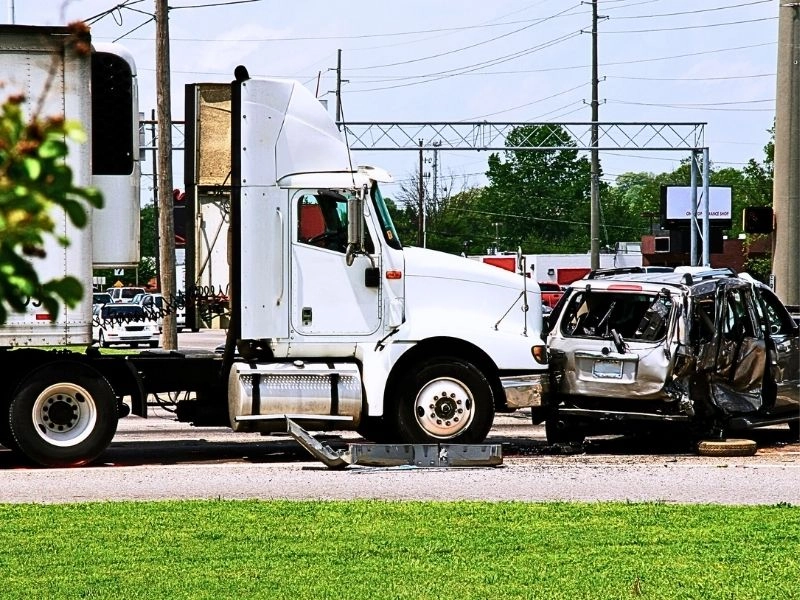
Understanding how the black box can help your truck accident lawsuit in Illinois can improve your odds of recovering full compensation for your injuries or losses. A black box is...
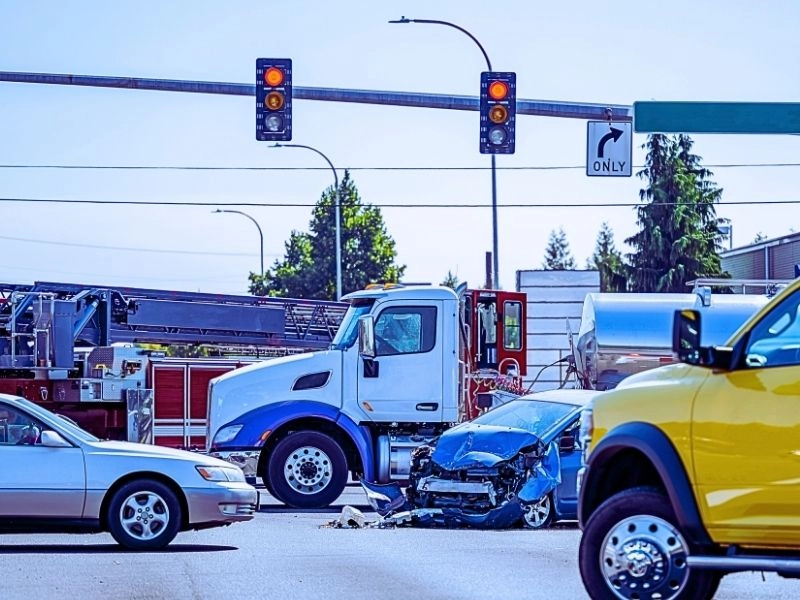
Truck log books keep a record of a truck driver’s hours of service. To ensure you get the maximum compensation for a trucking accident claim, having solid evidence of the...
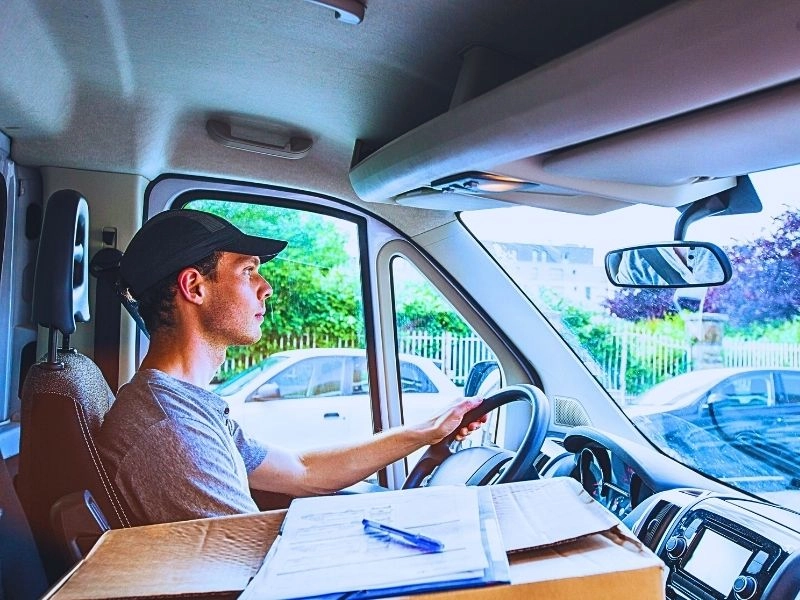
After an accident with a FedEx truck, it is important to know who is liable, so you can seek compensation for your damages. The driver or FedEx are generally the...