


.svg)
 Motor Vehicle Accidents
Line Worker Shortage Increases Accident Risk
Call: (312) 609-0400
or fill out the Contact Form
Line Worker Shortage
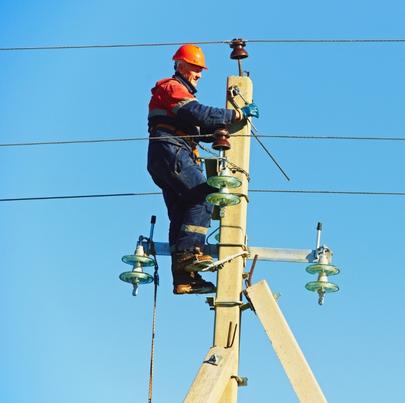
The U.S. Bureau of Labor Statistics reports that the employment of line workers is expected to grow by 6 percent by 2024. However, there is a national shortage of these types of workers. Utility companies are under pressure to cut costs and to keep utility bills low. Since the industry was deregulated, utility companies have cut their workers by 25 to 30 percent. In addition, not enough people are choosing to be trained as line workers. It can take up to five years before someone can become a journeyman, and a wave of retirements is expected to come over the next 10 years. The shortage means that workers may be inexperienced, have higher demands placed on them by their supervisors, and may face an increased risk of work-related injuries or fatalities.Safety Concerns
In a survey of line workers, the International Brotherhood of Electrical Workers identified multiple safety concerns. Workers reported that there were not enough workers available to teach people who are inexperienced. They also reported that the crews were too small to be able to complete the jobs properly and there were not enough flaggers. Line workers have to follow hundreds of rules and procedures If they don't, they are likelier to be seriously injured or killed in accidents. Many job sites are also located in rural areas, meaning that help in an emergency may be slow to arrive.Safety Steps
Line workers should always place blocks behind the wheels of boom trucks if they are used at work sites so they won't roll. Workers who work while perched in slings should check all of the fastenings every time before they are hoisted into the air. Workers should also check their rubber gloves every time they work by performing air tests. Finally, workers should avoid doing jobs if they don't have the correct equipment.Call: (312) 609-0400
or fill out the Contact Form
About the Author

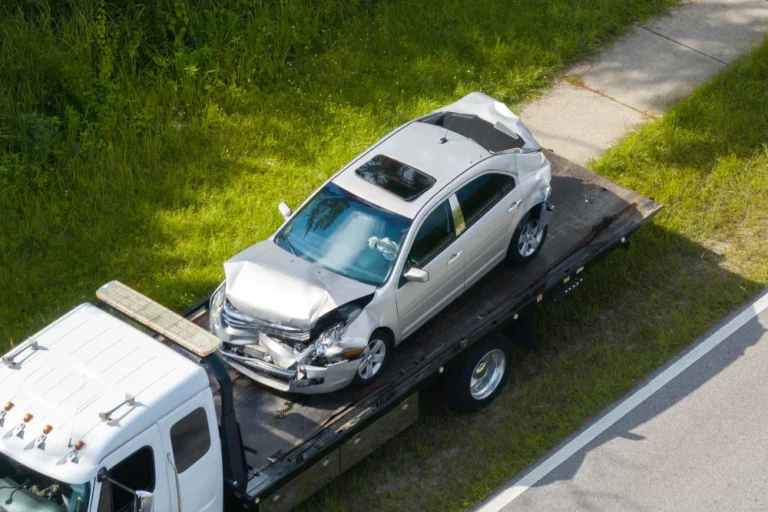
On January 1st, a new Illinois law went into effect. This law was designed to crack down on rogue tow truck operators and protect drivers during some of their most vulnerable moments—right after an accident. For years, Illinois drivers have reported alarming stories: tow trucks arriving within minutes of a crash, vehicles being hauled away […]

The holidays are one of the busiest—and most stressful—travel seasons of the year. Whether you’re heading out for a long road trip or flying to visit family, a little preparation can go a long way in preventing accidents, protecting your home, and keeping your loved ones safe. As personal injury attorneys, we see firsthand how […]

Keep Halloween Fun, and Stay Safe Doing It Halloween should be full of costumes, laughter, and candy — not preventable injuries. Whether you’re out trick-or-treating, driving through your neighborhood, or welcoming visitors to your home, a little extra care goes a long way in keeping everyone safe. 🎃 Trick-or-Treating Tips Add reflective tape to costumes […]