


.svg)
 Motor Vehicle Accidents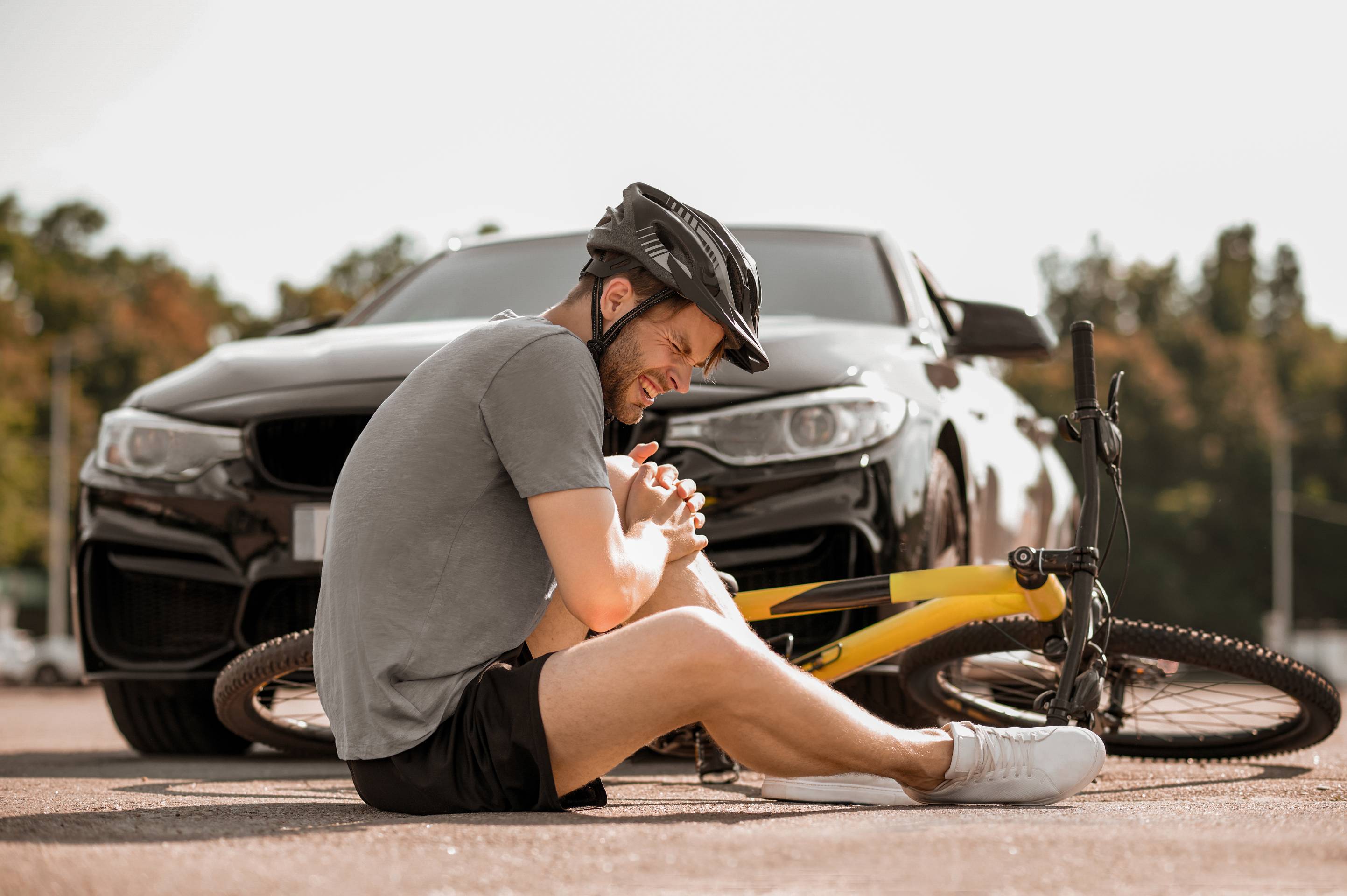
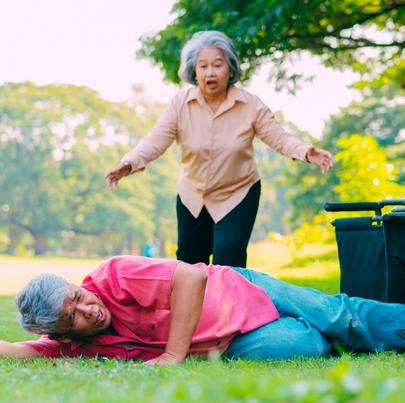
Nursing Home Residents: After the Fall
Call: (312) 609-0400
or fill out the Contact Form
Nursing Home Falls and Injuries
According to the U.S. Centers for Disease Control and Prevention (CDC), falls in nursing homes are a common cause of injury and death. Studies show that between 50 percent and 75 percent of elderly nursing home residents suffer serious falls every year, and most residents fall multiple time within a 12 month period. Nursing home falls account for approximately 7 million injuries each year, twice the number reported for elderly adults living outside of nursing homes. CDC reports show that 20 percent of nursing home deaths are attributed to resident falls. Elderly falls frequently result in cuts and abrasions, fractures and broken bones, slipped discs and spinal damage, neck and back injuries, and serious head trauma. Due to conditions like arthritis and osteoporosis and lack of physical strength, fractures and broken bones in elderly nursing home residents often take months or years to heal, resulting in long-term injuries and disabilities. Hip fractures in elderly adults over the age of 65 are linked to increased mortality rates, regardless of the severity of the fall. In addition to serious physical injuries and disabilities, nursing home falls often cause depression, anxiety, stress, cognitive decline, feelings of helplessness, and social isolation in elderly nursing home residents. After a fall, many residents are faced with a loss of mobility, confined to a wheelchair or bed. The need for constant care and loss of independence causes emotional problems, as well as physical problems, for many elderly adults. After one fall that results in injuries, many residents live in fear of having another fall that may result in permanent disabilities.Common Causes of Resident Falls
According to CDC reports, many elderly nursing home residents have existing medical conditions that put them in a nursing home. Many suffer from chronic illnesses or diseases, physical disabilities, and cognitive dysfunction such as dementia and Alzheimer's that prevents them from performing daily tasks without help. These existing medical conditions, combined with declining health, puts elderly nursing home residents at a much higher risk of falls and injuries. Common causes of falls include:- Muscle weakness
- Walking or gait problems
- Dizziness or fainting
- Vision problems
- Medications
- Unstable walking aids
Fall Prevention Measures
Nursing homes are required by law to perform a fall-risk assessment on every admitted resident to check for balance problems and underlying medical conditions that predispose residents to falls. To protect residents from fall injuries, nursing home facilities must implement an individualized fall-prevention plan. However, to cut time and costs many nursing homes use a standard form that fails to address individual resident issues and needs related to fall-risk assessment. To prevent resident falls, nursing homes must provide appropriate supervision and care of all residents. Installing safe flooring, handrails in corridors, bathroom grab bars, guard rails on beds, proper walking aids, good lighting, and motion-detector alarms can help to prevent falls.Call: (312) 609-0400
or fill out the Contact Form
About the Author


As a personal injury attorney I have seen firsthand how car accidents can be life-changing. The journey to recovery is both physically and emotionally challenging. While I am here to help you fight for your rights, it is equally as important to me that you receive the best possible care. Today, I am highlighting some of […]

Imagine waking up with a toothache. Out of nowhere, you get a call from a dentist offering to give you a root canal. Would you see that dentist? Of course you wouldn’t. You would be suspicious and perhaps even a bit irritated. What if you were in a car accident, and immediately after, you start […]
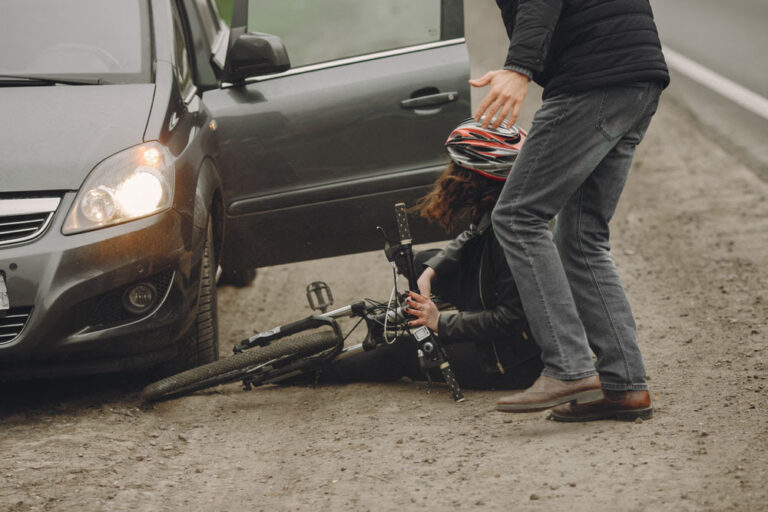
Whether you’re a driver, a cyclist, or both, you have a responsibility to act in accordance with laws that are meant to keep us all safe. In Chicago, there’s an undeclared war between drivers and cyclists. Drivers are mad cyclists don’t stop at stop signs. Cyclists are mad drivers speed past too close to them. In […]