


.svg)
 Motor Vehicle Accidents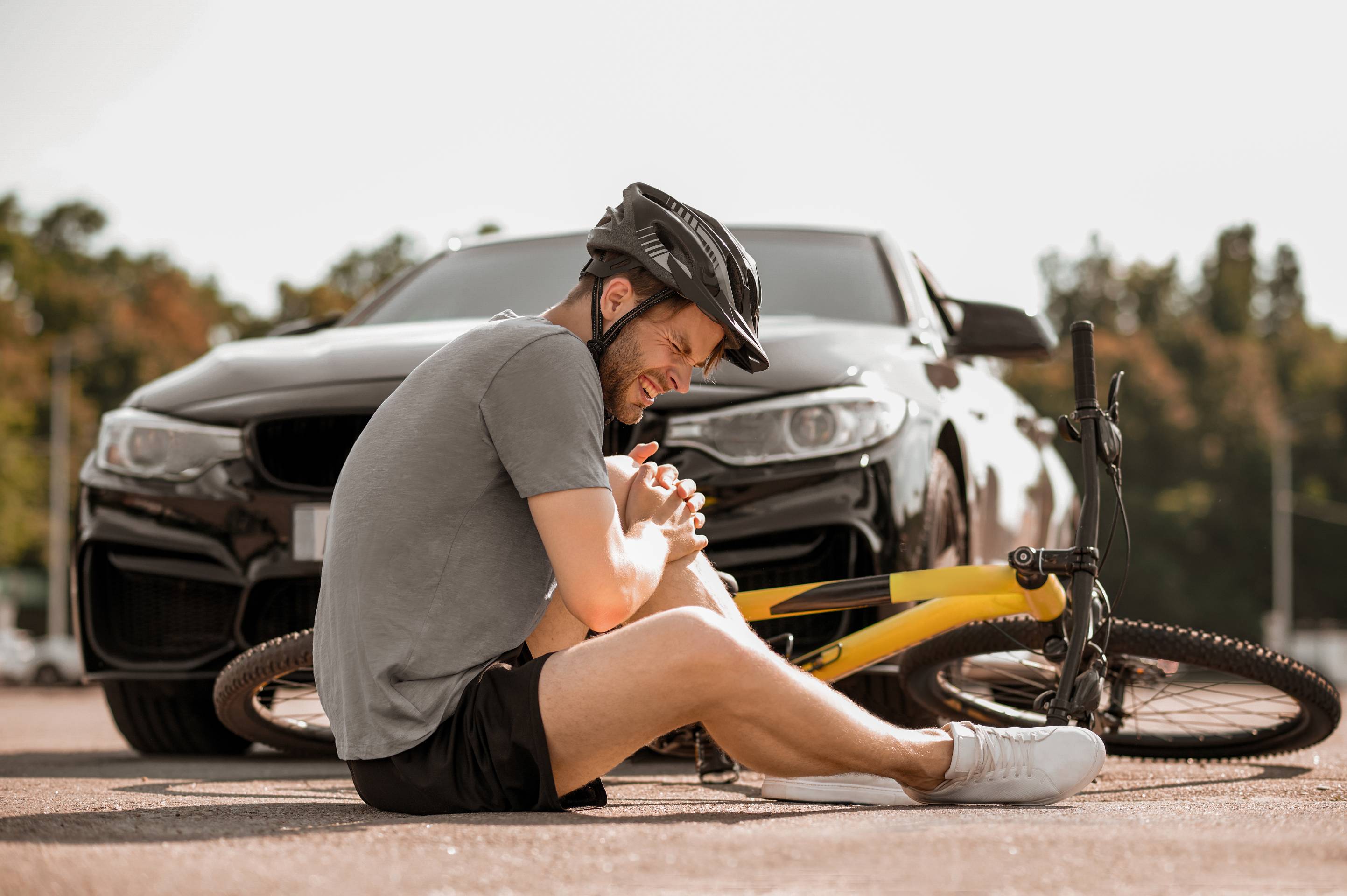

A criminal case is not required to achieve a successful verdict in a civil lawsuit when a nursing home resident suffers intentional neglect or abuse. A criminal conviction often results in prison time and fines for those responsible for the abuse, and it may help support a civil suit. A civil lawsuit can provide monetary damages for the victim.
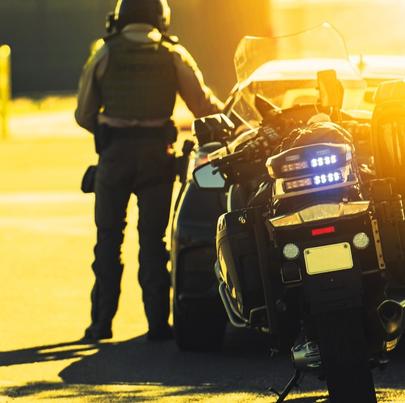
In 2019, new Illinois traffic laws will impact motorists, pedestrians, and bicyclists. The new laws are established to increase traffic safety and reduce traffic accidents and injuries.

Worker fatigue and demanding work schedules make working the graveyard shift dangerous for many sanitation workers. Working the night shift increases the risk of serious injuries and fatalities among clean-up crews working in the meatpacking industry.

When a worker is injured on the job and the employer cannot accommodate the employee’s permanent restrictions, that person may be entitled to vocational rehabilitation. The Illinois Workers Compensation Act specifies provisions for vocational rehabilitation for eligible workers.
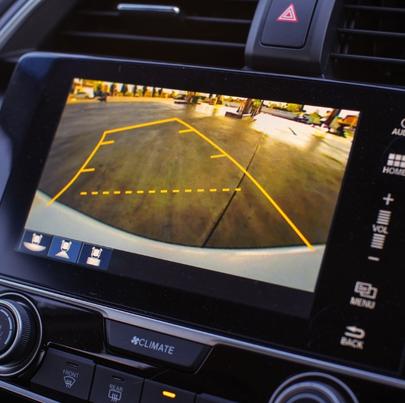
Many drivers are unaware of the limitations of their car’s safety systems and they rely on the technology to prevent accidents and injuries without taking their own precautions while behind the wheel.
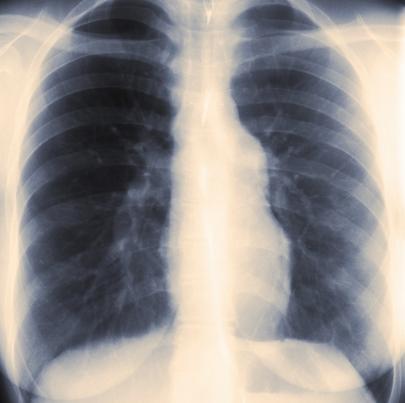
Increased silica exposure is causing a surge in the number of coal miners contracting pneumoconiosis, commonly known as black lung disease. Today’s miners are now at a higher risk of developing this condition in a shorter time period than their predecessors.

When elderly adults fall, the possibility of serious injuries, even death, is much greater because of existing medical conditions that increase injury risks. In 2014, there were 29 million reported falls by elderly nursing home residents over the age of 65, resulting in more than 7 million serious injuries and 1,800 fatalities.
Pedestrian detectors, designed to prevent injury and fatality accidents, are making their way onto the market. A cellular-based accident prevention system provides real-time alerts of impending collisions to vehicles and pedestrians through Android and iOS-based mobile phones.

While equipment and technology are supposed to make farming easier, they have added to the high number of fatalities and serious injuries that occur within the agricultural industry each year. Distraction is a common link in many fatal farm accidents.

A spinal cord injury can interrupt movement and sensation in the body, causing loss of bodily functions, temporary or permanent immobility, and even complete paralysis.