


.svg)
 Motor Vehicle Accidents

Accidents involving large trucks are some of the deadliest in America. In 2014, nearly 438,000 large trucks were involved in crashes across the United States. These accidents claimed the lives of 3,903 motorists, pedestrians, and truck drivers. Nationally, 8.3% of all fatal accidents involve semi-trucks, motor homes, and other “large trucks.”

After an accident, some companies may be reluctant to report violations or take responsibility. All severe work-related injuries must be reported within 24 hours to OSHA, or the Occupational Safety and Health Administration. A workplace fatality must be reported within eight hours. Over 10,000 severe injuries were reported nationwide in 2015.
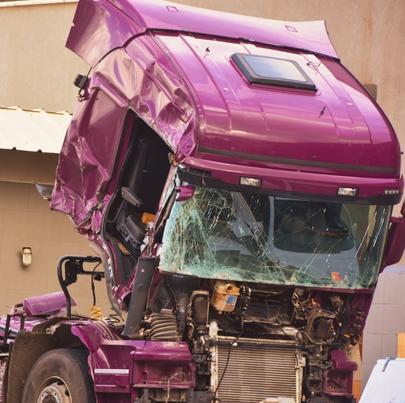
Being involved in a truck crash takes the complex nature of accident claims to a higher level. Trucks are subject to more regulations than common cars. Injuries in truck accidents are more severe and deaths are more common. What’s more, multiple parties can be held liable for damages that occur.

In mid-2016, the National Highway Traffic Safety Administration revealed a commitment from 20 of the nation’s leading auto manufacturers to include automatic braking technology on all new vehicles by 2022. The announcement demonstrates a commitment to making life-saving equipment standard.

A study found that nursing homes commit medication errors 21.2 percent of the time. The study observed 2,025 instances of medication dispenses and found that 428 of them were in error. Regardless of error rates, nursing homes will only continue to grow in size and importance. It is projected that nearly one in five Americans will be over 65 by 2050.

A new law was proposed by an Illinois lawmaker that would prohibit anonymous parties from reporting nursing home abuse or neglect. Supported by nursing home lobbying groups, proponents suggest that the law would cut down on false complaints.

Even with new laws in place designed to reduce the cost of physician-dispensed prescriptions, drug costs are rising in Illinois. A recent study shows that many doctors have found a way around these reforms, which allows them to charge higher prices for new strengths and formulations of drugs often prescribed to injured workers.

In the early 21st century, a troubling trend emerged in the American workplace. Years spent working at a computer led to permanent and debilitating damage to the back, neck, shoulders, and arms of workers. The result was an explosion of carpal tunnel claims and nerve/tendon surgery.

As more vehicles are becoming connected to the Internet, the FBI and U.S. Department of Transportation are warning manufacturers and consumers about their dangers. An estimated 250 million connected cars will be on American roads by the year 2020. One recent experiment exposed some of the vulnerabilities of these vehicles.

Many workers fear that their employment will be terminated if they file a workers’ compensation claim. For this reason, many ignore their injuries and suffer in silence for fear that they will lose their livelihood if they seek treatment.