


.svg)
 Motor Vehicle Accidents
Living with Spinal Cord Injuries

Call: (312) 609-0400
or fill out the Contact Form
The Impact of Spinal Cord Injuries
Adjusting to life after a spinal cord injury can be difficult because damage blocks communication between the body and the brain. The damage affects a person's sensory and motor skills causing partial or complete dysfunction. The severity of the injury impacts the level of dysfunction which can range from mild to severe and temporary to permanent. The spinal cord extends from the base of the brain down the middle of the back. Its main function is to carry messages between the body and the brain that allow a person to feel sensation and move freely. Nerves within the spinal cord tell the muscles in every body part how and when to move. They also carry messages to the brain about sensations like touch, temperature, and pain. With spinal cord injuries, a person can suffer a variety of problems such as loss of movement and sensation, loss of bladder or bowel control, muscle spasms, changes in sexual function, and chronic or intense pain. Spinal cord damage often results from physical injuries caused by falls, car accidents, playing sports, and acts of violence. However, damage can also result from illnesses such as osteoporosis or arthritis, inflammation or infections, multiple sclerosis, and cancer. Injuries that occur at the higher part of the spinal cord near the neck cause the most severe dysfunction. These injuries can impact a person's ability to breathe, speak, and move. People who sustain injuries to the high cervical nerves often end up in a wheelchair, bedridden, or paralyzed from the neck down. Spinal cord injuries can impact every aspect of a person's life. It may be difficult or impossible to do the same things that were normal prior to the injury. Depending on the severity of the injury, a person may require inpatient or outpatient rehabilitation, a hospital bed or wheelchair, medical assistance devices, and a nurse or personal caretaker. People who experience chronic pain or loss of mobility and independence often need psychological help with depression, anxiety, and sleep disorders. Severe spinal cord injuries can result in periods of grief, anger, and denial. Proper medical care, physical rehabilitation, mental therapy, and family support is essential to make necessary adjustments, set new goals, and move forward in a different way of life.Call: (312) 609-0400
or fill out the Contact Form
About the Author


In recent years, courts have overturned hundreds of criminal convictions in Chicago after uncovering patterns of police misconduct that undermined the integrity of investigations and prosecutions. Many of these cases involve allegations of improper tactics by former Chicago police officers, including former CPD Commander Jon Burge, former Sgt. Ronald Watts, and former Detective Reynaldo Guevara. […]
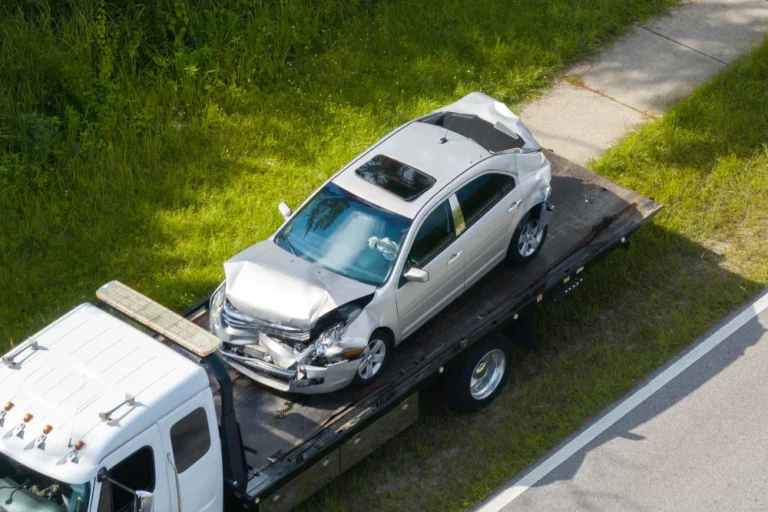
On January 1st, a new Illinois law went into effect. This law was designed to crack down on rogue tow truck operators and protect drivers during some of their most vulnerable moments—right after an accident. For years, Illinois drivers have reported alarming stories: tow trucks arriving within minutes of a crash, vehicles being hauled away […]

The holidays are one of the busiest—and most stressful—travel seasons of the year. Whether you’re heading out for a long road trip or flying to visit family, a little preparation can go a long way in preventing accidents, protecting your home, and keeping your loved ones safe. As personal injury attorneys, we see firsthand how […]