


.svg)
 Motor Vehicle Accidents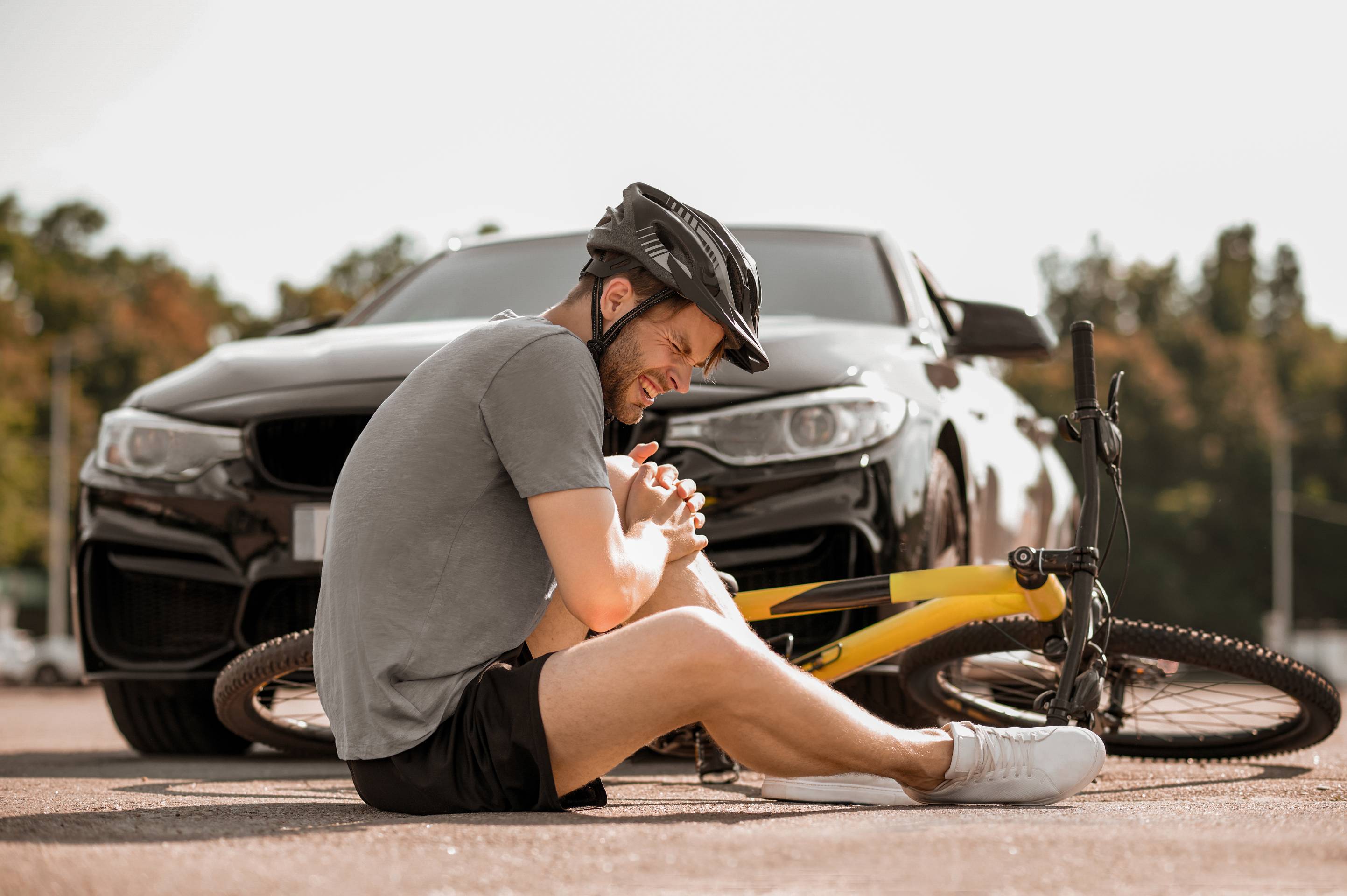
If you get involved in a car accident in Illinois and an uninsured driver is at fault, you may be able to sue for damages and recover compensation. However, there are some things you should know about uninsured motorist insurance coverage and other elements in these types of cases to determine whether you can sue an uninsured driver.
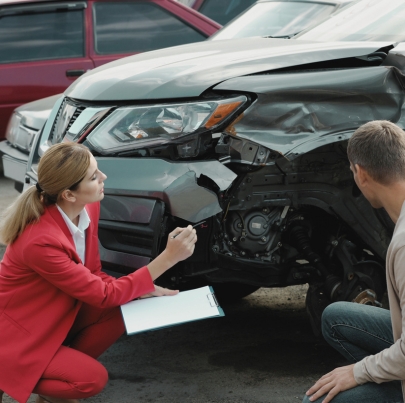
Driving a car without insurance in Chicago, Illinois, is often a sign of a lack of financial accountability or responsibility for damages in the event of a car accident. You may have to pay the damages out-of-pocket or get sued for failing to pay if you drive without auto insurance and cause an accident. You also risk facing jail time, high insurance premiums, driver’s license suspension, hefty fines, and your vehicle getting impounded.
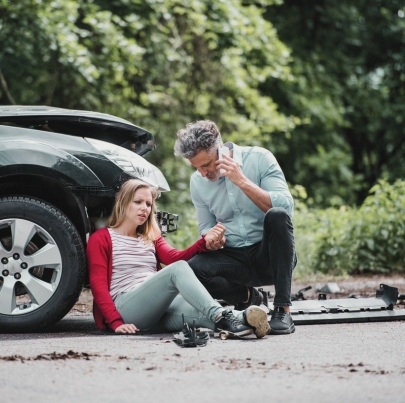
As a passenger in a car accident in Chicago, you may be able to recover compensation from liable parties and take legal action if you sustained injuries and other damages. It’s important to understand your rights as a passenger if you’re considering taking action following any type of vehicle accident.
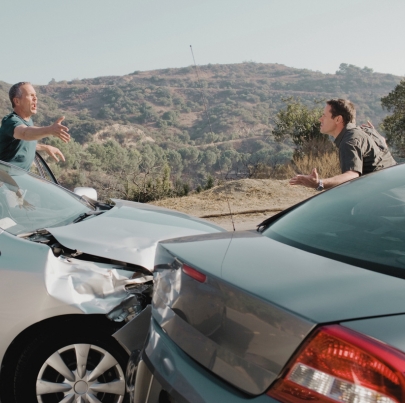
If someone gets into an accident while driving your vehicle in Chicago, your insurance or the insurer of another liable party may be able to cover the damages resulting from the accident. However, certain factors will influence the outcome of these types of cases and determine who pays for the damages.
You can file a lawsuit against a rideshare company under certain circumstances. Rideshare companies like Uber and Lyft have faced legal actions from passengers, drivers, and even pedestrians in various situations.
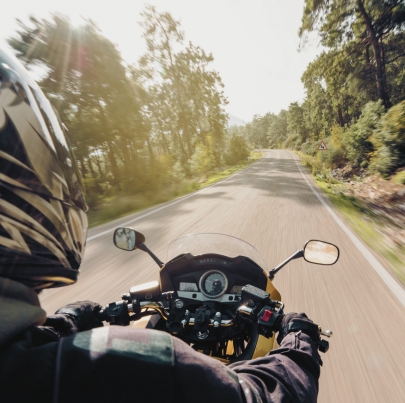
Motorcycle laws in Illinois promote safe riding practices and reduce the risk of catastrophic injuries for motorcyclists. Illinois motorcycle laws address various aspects of motorcycle operation, rider behavior, and safety equipment. Laws mandating helmet use ensure that motorcyclists are protected from head injuries and can save lives in the event of a crash.
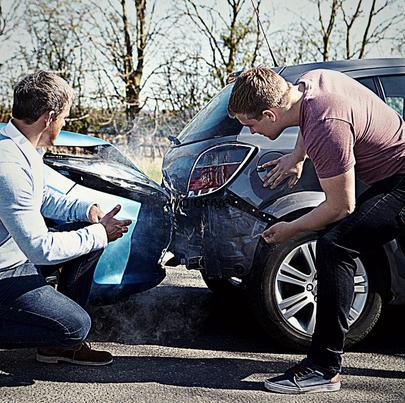
Fault is usually determined by finding out who was negligent. All drivers owe a duty to the other drivers and passengers on the road to act in the same way a reasonable driver would act in a similar situation. If a driver breaches that duty and his or her breach causes damages or injuries to other drivers, the driver is responsible for paying those damages.
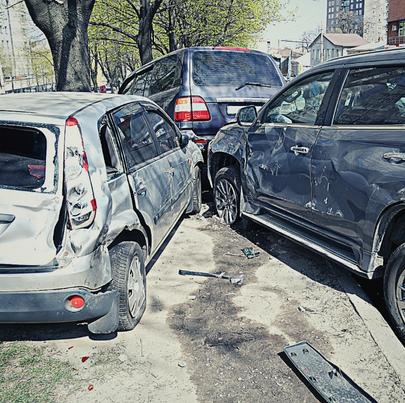
Rideshare auto insurance activates the moment a driver turns on the app and is ready to accept a ride request from a customer. This coverage extends throughout the ride until the client gets dropped off at his or her destination. The driver needs to own a personal policy and commercial auto insurance plan that accepts rideshare liability to be eligible for compensation.
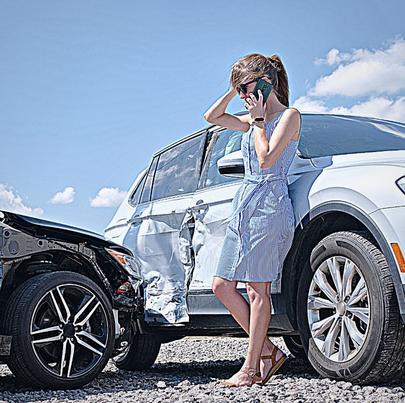
Remember, you might still be eligible for compensation even if you partially contributed to the accident. Knowing what to do if you think you caused a car accident can make the difference between a successful and a failed car accident claim. The following after-accident steps will help you protect your rights to compensation:
As you are preparing for your consult, there are going to be questions that you’ll need to ask. During your consult, there will be a lot of information being relayed to you in a short period of time, so having your questions written down in advance will help you remember what to ask.