


.svg)
 Motor Vehicle Accidents

Nursing home falls are preventable accidents, and nursing homes should take a number of steps in order to reduce the likelihood of falls. In Sept. 1997, the Illinois Council on Long Term Care sent its members a fall protocol, giving them notice of the steps that they could take to prevent falls.

A recent study found that the majority of nursing home residents suffer abuse, not from attending nurses, but from fellow residents. It is, unfortunately, very common for nursing home residents to suffer abuse however the media tends to focus on the wrong perpetrators.

High obesity rates are straining nursing homes ability to care for their residents. Patients that are severely or morbidly obese require specialized tools and attention with which most nursing homes are not equipped. This problem affects both new and old nursing home facilities which have not adapted to the new landscape.
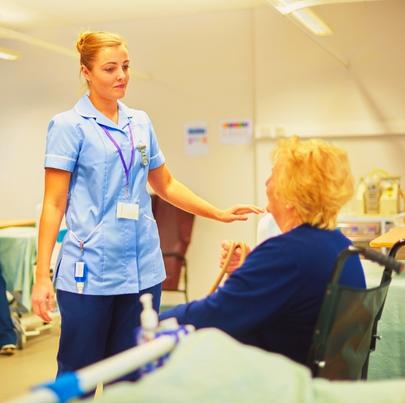
Under-staffing in nursing homes is an issue that plagues elderly care facilities throughout the nation, and it has been linked to an increased risk for the neglect and abuse of vulnerable residents. According to the Journal of the National Medical Association, it is estimated that 90 percent of nursing homes in America are short-staffed, and as a result, many residents suffer from malnutrition, dehydration, and other forms of neglect and abuse.
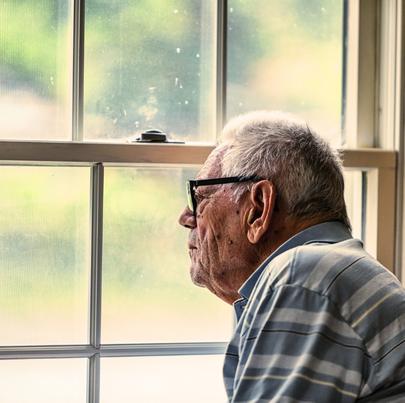
Reports from the National Center on Elderly Abuse (NCEA) reveal that some individuals may be at a higher risk of experiencing nursing home abuse than others. Serious physical, sexual, psychological and financial abuse are some of the most common types of abuse residents suffer, and one in three nursing homes in the United States were cited for some form of abuse between the years of 1999 and 2001.
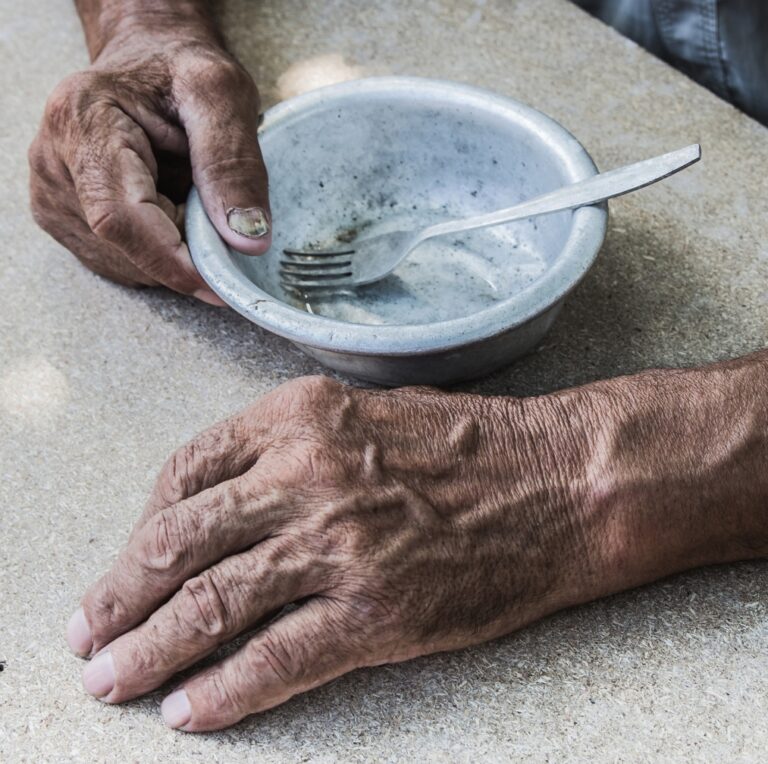
Nursing home residents face a high risk of malnutrition, but this often goes unnoticed by caretakers, medical professionals and family members. Malnutrition is a serious concern for nursing home residents, and it often goes unnoticed until it causes significant harm.
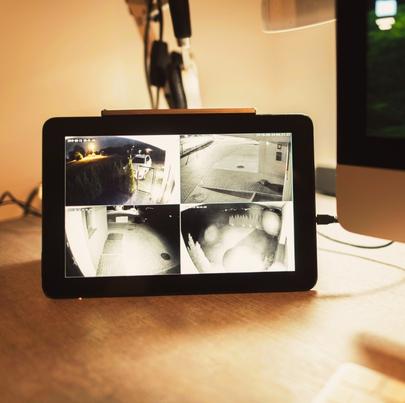
On January 1, 2016, a new Illinois law that hopes to reduce nursing home abuse went into effect. According to this law, nursing home residents will be allowed to install electronic monitoring devices in their rooms.
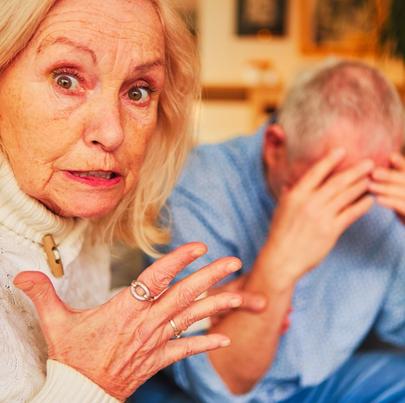
Nursing home abuse is all too common in Illinois, and a recent study indicates that a great number of these cases are at the hands of other residents. With so much focus placed on abuse by staff, the dynamic between patients is often overlooked by advocates for the elderly.
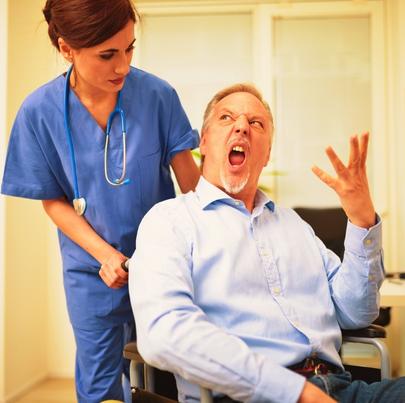
A study found that nursing homes commit medication errors 21.2 percent of the time. The study observed 2,025 instances of medication dispenses and found that 428 of them were in error. Regardless of error rates, nursing homes will only continue to grow in size and importance. It is projected that nearly one in five Americans will be over 65 by 2050.
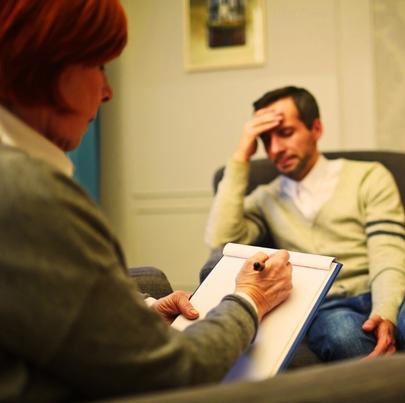
A new law was proposed by an Illinois lawmaker that would prohibit anonymous parties from reporting nursing home abuse or neglect. Supported by nursing home lobbying groups, proponents suggest that the law would cut down on false complaints.