


.svg)
 Motor Vehicle Accidents

Medicare defines “ultrahigh” therapy as more than 12 hours of rehab or therapy per week and “very high” therapy as 9 hours per week. The University of Rochester recently published a study showing that from October, 2012 through April, 2016, the number of nursing home residents receiving “ultrahigh” therapy increased by 65 percent.
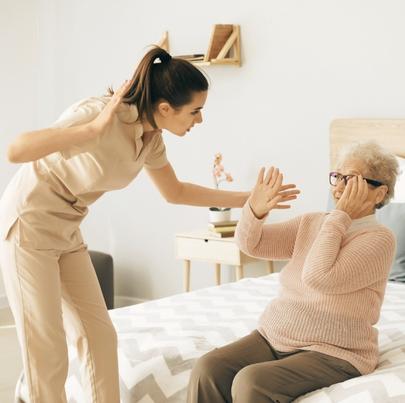
Many nursing home residents suffer physical assaults by their caregivers, resulting in a variety of physical wounds, as well as emotional trauma.
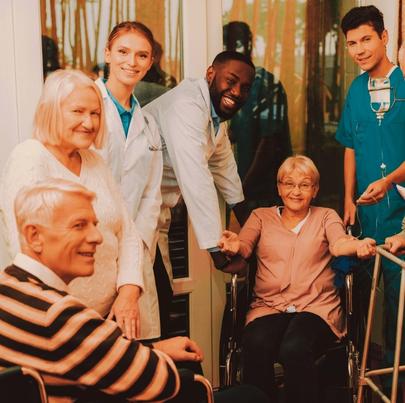
Exaggerated reports regarding staffing levels in nursing homes have concealed staff shortages that put residents at risk for abuse and neglect. Federal data shows that most U.S. nursing homes falsely reported their staffing levels to government agencies over the last decade.
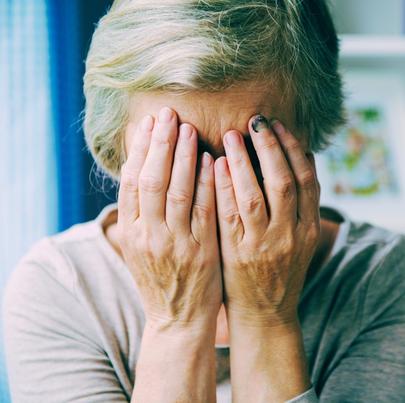
Vulnerable seniors are sexually abused and raped in nursing homes across America, but many facility administrators do little, or nothing, to stop it.
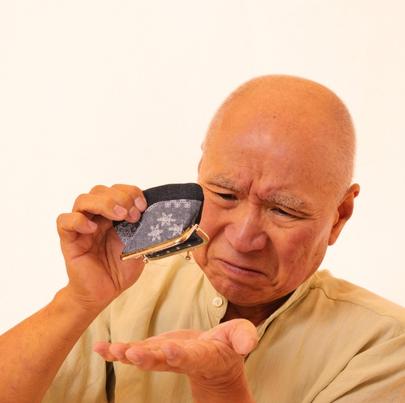
Elderly Americans lose $36.5 billion annually as victims of financial exploitation, and one out 18 senior adults fall victim to this form of elder abuse. This is a threat to the financial security of all seniors, especially those that suffer from cognitive or physical issues. Awareness of this issue is increasing.
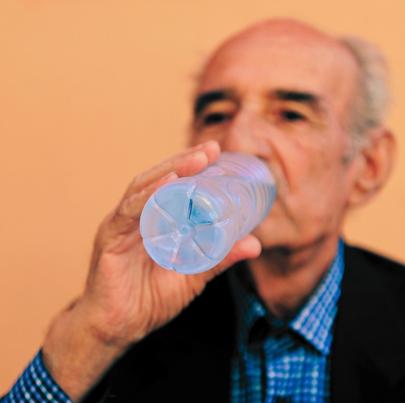
Nursing home patients who need assistance with eating and drinking have an increased risk of dehydration and complications that can lead to death.
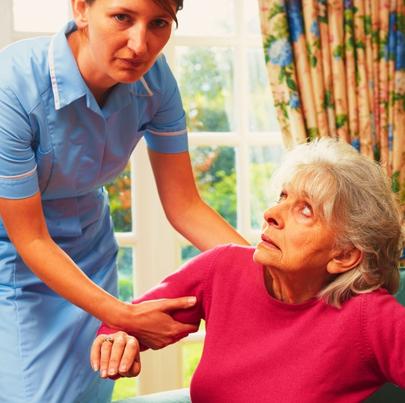
Nursing home abuse and neglect often go unreported by facility administrators, healthcare workers, and residents due to fears of retaliation.
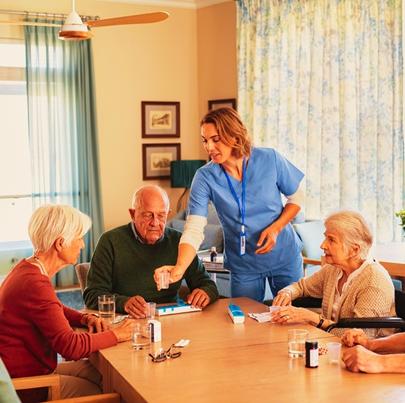
Nursing home practices that affect admission, care and services, and finances often violate the federal Nursing Home Reform Law, but Illegal or dangerous practices and safety violations commonly go undetected in nursing homes.
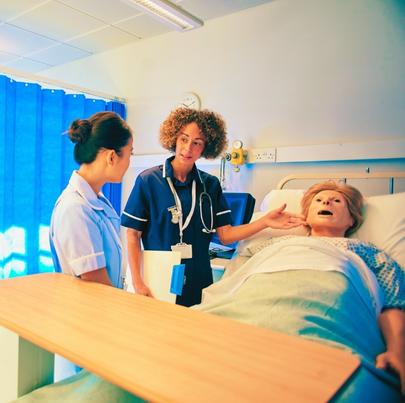
Lack of proper skills and training for staff and caretakers in nursing home facilities puts residents at a higher risk for abuse and neglect. When staff members are not adequately trained about the facility’s procedures and policies, how to manage specific medical conditions, how to reduce the risk for falls and other hazards, or how to respond in an emergency, residents can be injured or killed because of the facility’s negligence.
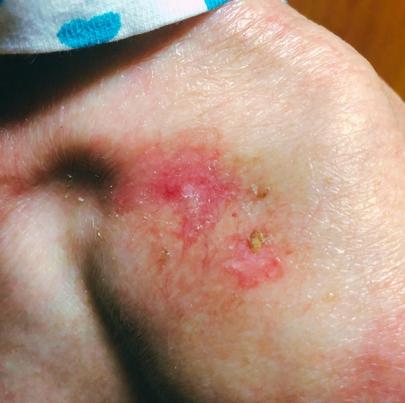
When bedsores develop and are left untreated, patients are put at high risk for serious skin diseases, bacterial infections, and fatal complications. A nursing home abuse lawyer often sees cases of complications from bedsores left untreated. According to the Centers for Disease Control and Prevention (CDC), one out of 10 nursing home residents suffer bedsores in various stages.