


.svg)
 Motor Vehicle Accidents

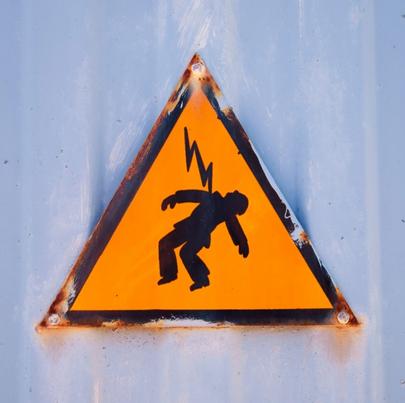
Electrical hazards are found in most workplaces and identifying and correcting unsafe habits and conditions can reduce the number of serious burns, shocks, and electrocutions that occur every year. Between 2004 and 2013, 1,881 employees lost their lives to electrical incidents in the workplace. Over 400 of those deaths occurred with less than 200v of electrical charge.

Mental and behavioral health issues are causing more women to get hurt on the job. As many as 60 percents of workplace injuries to women are connected to depression, anxiety, and fatigue. For employers and employees alike, understanding this risk is critical to keeping the workplace safe.

The Illinois Workers’ Compensation Act requires employers to provide medical care to cure the effects of a workplace injury. Sometimes, those effects may not be apparent in the emergency room, or in the weeks to come.

Could an insurance company purchase your data from Facebook? Could an insurance company buy a map of every location that you’ve visited from Google?

America’s drug problem continues to invade the workforce and millions of people work alongside drug abusers every day, raising their risk for workplace injuries. Approximately 77 percent of Americans over the age of 18 who use illegal drugs are currently employed in at least a part-time capacity.

In Illinois, temporary transitional employment provisions enable injured employees to return to work at off-site locations through third-party vendors when they have been released with restrictions.

In Illinois, employers are required to assess their workplaces for hazards and provide their employees with the proper personal protective equipment to help to protect them from injuries. Employers are supposed to train their employees about the PPE, when it may be required, and how to use it. Employers may offer incentive programs to encourage their workers to use the equipment.

Thousands of workers were killed on the job in 2016, and while statistics, graphs and numerical reports all demonstrate the severity of work-related safety issues, these deaths were not just numbers. The workers had names.
Employees are eligible for workers’ compensation benefits that cover on-the-job injuries and illnesses, but independent contractors are not eligible for benefits. Some employers misclassify workers as independent contractors instead of as employees, however, to avoid paying for expensive workers’ compensation insurance premiums.

School teachers face a variety of unique workplace hazards that put them at risk for serious injuries and illnesses like stress-related mental disorders, serious disease, repetitive stress injuries and workplace violence. According to the U.S. Bureau of Labor Statistics, educational service is on the list for the most dangerous industries in America.