


.svg)
 Motor Vehicle Accidents

Chicago workers’ compensation attorneys are well aware that unsafe working conditions are a leading cause of work related injuries and the workers’ compensation claims that result when employers negligently place employees health and safety at risk.

Workplace injuries often lead to months or years of pain, and workers turn to medications like OxyContin or Percocet to manage long-term pain issues. Between 1997 and 2007, doctors increased opioid prescriptions by over 400 percent, leading the federal government to call prescription drug abuse a national concern.

According to the Census of Fatal Occupational Injuries (CFOI) which was conducted by the U.S. Bureau of Labor Statistics, 4,679 individuals lost their lives to work related injuries in 2014. Alarmingly, that is a 2 percent increase in work related fatalities from the previous year.

The residential building boom in big cities, such as Chicago is good news for both the construction industry and economy. However, with this upswing has come an increase of fatalities and injuries among construction workers. According to the U.S. Bureau of Labor Statistics, deaths from injuries on construction sites increased by 5 percent during 2014 to 874 deaths.

Any individual who is employed is in some type of risk of experiencing an on the job injury. While some dangers, like working from high structures or around heavy machinery, may be pretty obvious, others are a bit more discreet. Working in confined spaces is one such danger.

Recently, an Illinois police officer injured his back while loading a 40 pound duty bag into the trunk of his personal vehicle as he prepared to report to work. It is reported that the officer was dressed in his work attire, but he was not on duty at the time of the accident, and it was not close to the time for him to report to the police station.

When considering jobs that are high risk, most individuals do not think about the health care field. While occupations like construction work, law enforcement, and similar fields tend to have more obvious hazards, however, the health care industry is still third in the nation when it comes to on the job injuries.
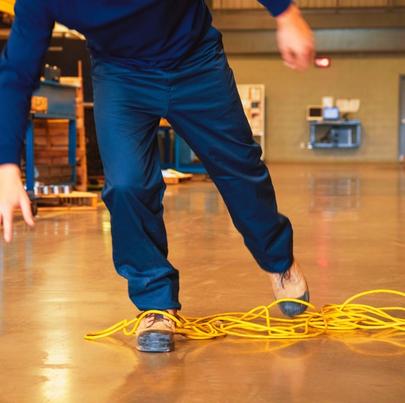
Recently, the Occupational Safety and Health Administration (OSHA) withdrew its “Slips, Trips and Falls rule” from the White House review process- a move that will leave employers on shaky ground in the coming months.

Nursing is among the most noble, and yet most dangerous professions. Each year, the Bureau of Labor Statistics estimates that over 35,000 nurses are injured while caring for patients. Injuries range from back injuries to needle sticks. These injuries impact their ability to perform their jobs and care for the patients they are responsible for.

Injured workers in Illinois are at risk of losing many of the benefits they depend upon to help them recover from work related injuries. As the state enters the fourth month of the current fiscal year without a budget, Governor Rauner continues to push for reforming the state’s workers’ compensation system in the hopes that it will balance the state budget.