


.svg)
 Motor Vehicle Accidents


When employees sustain injuries while traveling for work, injuries are usually covered under workers’ compensation insurance provided by their employer, as long as the injuries are directly linked to work-related duties.

Remote employees in Illinois may be entitled to workers’ compensation benefits if they are injured while performing work-related duties. Due to the COVID-19 pandemic, working remotely has become the new normal for millions of American workers.
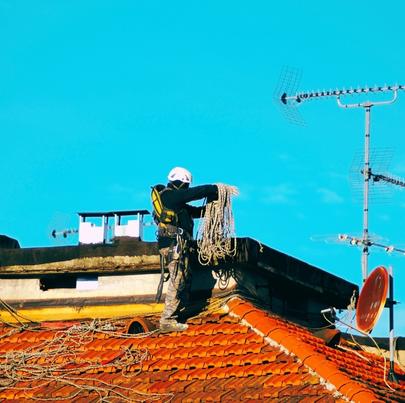
Working on a rooftop poses serious injury and fatality risks for workers who can fall through skylights, roof and floor openings, and guardrails.

The Illinois Workers’ Compensation Act makes truck drivers who own and operate their own vehicles eligible for workers’ compensation benefits when an accident results in injuries.

New technology, fatigue identification software, can identify fatigue and sleep deprivation in workers to prevent workplace accidents and injuries, as well as costly injury claims.

Wearables are breaking out of the consumer market and entering into industrial and construction sectors in ways that look to remake, protect workers, minimize injuries, increase productivity, and remake safety. According to industry experts, the construction industry is starting to internalize the benefits. It realizes that wearable devices may provide added benefits from a safety regulatory standpoint and further benefit worker health and safety.

Illinois employers that have hazardous chemicals must provide personal protective equipment to any employees who work around them. Workers who are sickened or injured because of workplace exposure to hazardous chemicals may file claims for workers’ compensation benefits.

In Illinois, mask-wearing is an essential preventative measure to help to stop the spread of COVID-19, but improper breathing while wearing masks for prolonged periods can lead to respiratory problems for workers. Workers who wear masks for eight or more hours per day may suffer from headaches, dizziness, fatigue, rapid heart rates, and anxiety.

Welding is done at high temperatures using electricity and gases, putting welders at risk for a myriad of workplace injuries. This line of work leaves professionals facing daily hazards such as burns, electric shock, optical and acoustic injury, and explosions.

Several states have passed COVID-related presumption laws. California, Vermont, and Illinois are some of the states that have so far extended workers’ compensation presumptions to include COVID-19 for essential workers.