


.svg)
 Motor Vehicle Accidents

While equipment and technology are supposed to make farming easier, they have added to the high number of fatalities and serious injuries that occur within the agricultural industry each year. Distraction is a common link in many fatal farm accidents.

Currently, at least 17 injuries a month occur in meat packing plants that require amputations, loss of an eye or hospitalization. These numbers are expected to rise as speed restrictions have been lifted. Why? Because the government’s reasoning that employers will adhere to strict rules for food safety will allow for setting limits on line speeds, which is not always likely.

Most Chicago employers are required to maintain workers’ compensation insurance to compensate employees who are injured on the job or suffer work-related illnesses. Employers who knowingly fail to maintain this insurance can receive a minimum fine of $10,000 and $500 per day without insurance.

Having an emergency spill response plan is a crucial part of any company’s safety and health program. Employers should have an action plan, have appropriate sorbents available and personal protective equipment for workers involved in cleanups.

Safety leaders face a variety of challenges when trying to maintain workplace safety, increase compliance, and reduce accident rates. Keeping up with changing OSHA regulations, breaking through safety plateaus, providing appropriate PPE, minimizing the impact of workers’ compensation claims, and creating a culture of safety are a few of the most common challenges encountered.

Workers refuse to wear PPE because of lack of training, lack of availability, its appearance or because it is uncomfortable to wear. Even when mandated by OSHA, there are high levels of non-compliance with personal protective equipment (PPE) in workplaces.
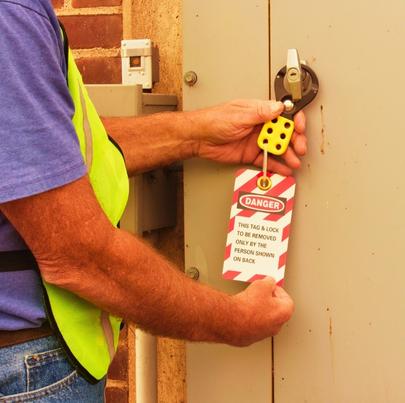
Lockout-tagout mistakes with powered equipment can result in serious injuries, including serious fractures, amputations or death. Employers are responsible for making sure that all workers understand the lockout/tagout procedures for any equipment that they are locking out or is in their work area. However, mistakes still occur because of failure to test controls, workers not […]
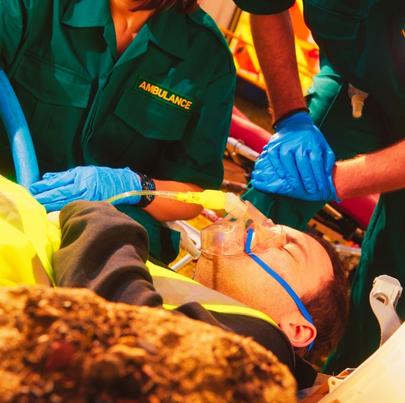
In 2016, out of 4,693 job fatalities in the private sector, 991 deaths occurred in the construction industry and over half of these deaths can be attributed to what the Bureau of Labor Statistics calls the “Fatal Four.” With proper training and equipment, the deadliest causes of injuries to construction workers could be eliminated saving 631 lives each year.

You were hurt at work or in a car crash. You decide to hire an attorney so you call some phone numbers you’ve seen on television or heard on the radio. You talk to someone whom you believe to be an attorney. You make an appointment, and somehow you end up at a law firm you never actually called.

Many eye injuries can be avoided through improved safety awareness and the proper use of personal protective equipment (PPE). About 2,000 job-related eye injuries occur each day in the United States. At least five percent of these injuries cause workers to miss one or more days from work.