


.svg)
 Motor Vehicle Accidents
Get a FREE Consultation
We want to earn your business.


Chicago Medical Malpractice Attorney
Injured while under the care of medical professionals? Get the help you need.
Doctors and hospitals commit errors all the time. But when does bad service or a bad outcome cross over into negligence giving rise to a potential medical malpractice lawsuit? Medical malpractice isn’t as cut and dry as many other personal injury lawsuits. For example, when you’re in a car accident, it is plainly obvious that someone has injured you, which is probably the driver that hit you with their car.
But in a hospital or other medical setting, how do you know that you have been injured due to medical error? If you answer “yes” to the following question, you should contact us immediately:
“Did I (or a relative) experience an unexpected or unexplained outcome that led to serious injury or death in the case of a relative?”
While medical malpractice lawsuits are some of the most difficult to win, compensation can go a long way to ease financial burdens that you or your family may have to endure.
If you survive your injury, you may require specialized medical care or daily caregiving. If you are unable to work, you will need funds for food and shelter. If you are in pain, you deserve compensation for your suffering.
If a loved one passes away as a result of medical error, compensation can help the fill the void of financial support left behind as a result of their death.
Has something like this happened to you? In the state of Illinois, you have up to 2 years from injury or discovery of medical error to file your malpractice lawsuit.
As we mentioned, these are some of the toughest cases to win, so don’t go it alone. The sooner you contact us, the better off you will be.

“Being represented by the Strom Yen Law Firm was an exceptional experience. They are upfront, honest, reliable, and communicated with us on every step of the process.”
Teri Becker
GET HELP NOWTypes of Medical Malpractice Cases
-
Surgical error cases
These cases involve mistakes made during surgery — from operating on the wrong body part to leaving instruments inside a patient or causing unnecessary damage. Even minor surgical errors can lead to serious, lifelong complications.
-
Failure to diagnose or “misdiagnosis” cases
When a doctor fails to recognize or properly diagnose a condition, the delay in treatment can allow the illness to worsen. Misdiagnosis cases often involve cancer, heart disease, infections, and other time-sensitive conditions.
-
Sepsis or infection cases
Patients rely on hospitals and doctors to maintain sterile environments and identify early signs of infection. When negligence allows infections to spread or sepsis to develop, the results can be life-threatening.
-
Anesthesia error cases
Anesthesiologists must carefully calculate, monitor, and adjust medication before, during, and after surgery. A small mistake with anesthesia can cause brain injury, cardiac arrest, or death.
-
Emergency medicine error cases
In the fast-paced environment of the emergency room, critical errors — such as misreading test results or failing to stabilize a patient — can lead to devastating outcomes that could have been prevented with proper care.
-
Birth injury or birth trauma cases
When medical professionals fail to act quickly or appropriately during pregnancy or delivery, both mother and baby can suffer lasting injuries. These cases often involve oxygen deprivation, improper use of forceps, or delayed C-sections.
-
Spinal cord injury cases
Errors during surgery, injections, or other medical procedures can damage the spinal cord, leading to paralysis or chronic pain. These cases often require lifelong medical care and have profound effects on quality of life.
-
Nursing Home Neglect or Abuse
Residents of nursing homes and care facilities depend on staff for their daily needs, safety, and dignity. When caregivers fail to provide proper supervision, nutrition, medication, or hygiene—or when residents suffer physical or emotional abuse—the consequences can be devastating. These cases seek justice for vulnerable seniors who cannot always speak for themselves.

Nursing Home Abuse & Neglect
The decision to bring your loved one to a long-term care facility was undoubtedly difficult. You’ve now discovered that your loved one has been injured, neglected, or is gravely ill because of the substandard care received, a lack of care, or abuse. You feel cheated, ignored, and victimized.
We want to help.
Our law firm has over 40 years of experience handling nursing home abuse cases. Initial consultations are free, and there are no upfront fees.
When you call Strom Yen Injury Attorneys, you will speak with an experienced nursing home abuse lawyer. We will listen to your concerns, answer your questions, and talk about the options you have for bringing a nursing home abuse lawsuit.
Strom Yen Injury Attorneys will also help you explore options for improving the care of your loved one. This could mean transferring the care of your loved one to a hospital or another long-term care facility, or initiating an investigation of the facility in question through the state health department.
You don’t have to go through this alone. Bring us as your advocate
Call Strom Yen Injury Attorneys for a free consultation, and let’s get started with your loved one’s recovery
Your Loved One’s Rights Under the Illinois Nursing Home Care Act
The Illinois Nursing Home Care Act outlines the mandatory requirements for nursing homes throughout Illinois. The Act was designed to protect the rights of vulnerable disabled and elderly residents who may be susceptible to exploitation, neglect, or abuse.
Under the Nursing Home Care Act, residents of long-term care facilities generally have the same rights that any other person has under the Constitution, Illinois law, and federal law. A resident cannot be deprived of those rights solely because they live in a long-term care facility.
In addition to the right to be free from physical, emotional, and sexual abuse and neglect, the Illinois Nursing Home Care Act details a number of specific rights and protections for residents. Some of these rights include, but are not limited to:
-
Spousal Impoverishment Rights
-
The Right to Manage His or Her Own Finances (unless under guardianship)
-
Rights to His or Her Personal Property
-
The Right to Choose His or Her Own Doctor
-
The Right to Refuse Medical Treatment
-
Confidentiality Rights Pertaining to Medical and Personal Care
-
Freedom from Unnecessary Chemical or Physical Restraints
-
The Right to Private Visits
-
The Right to Communicate with an Attorney
-
The Right to Request a Camera in His or Her Room
Are you eligible for compensation?
The Nursing Home Care Act allows a resident to hire legal representation and seek compensation for any violations of his or her rights. For a lawsuit to be successful, the victim’s legal team will need to prove that your loved one’s rights were violated and that the violation caused the resident some type of injury or damages.
Who Can File a Nursing Home Abuse Lawsuit?
While residents are eligible to sue a facility or healthcare professional for abuse or neglect, many lack the mental capability to do so. If the victim is unable to file a lawsuit, family members or other parties may be able to pursue damages on behalf of the victim in Illinois. However, to sue a long-term care facility on behalf of an abused or neglected resident, you must be the legal guardian of a victim who is incapacitated or otherwise unable to file a legal claim on his or her own or the personal representative of the estate of a resident who suffered wrongful death caused by nursing home neglect or abuse.
Who Can Be Held Liable for Nursing Home Abuse & Neglect?
When elderly residents or residents with disabilities suffer injuries that are caused by negligence or abuse, various parties may be able to be held liable for damages. In some cases, multiple parties can be held responsible. These include, but are not limited to
-
Nursing home facilities
-
Staff members
-
Temporary workers
-
Doctors
-
Staffing agencies
-
Defective medical device manufacturers
Types of Compensation You Can Recover
Victims of abuse, negligence, or Nursing Home Care Act rights violations may be able to recover compensation for:
-
Medical expenses that resulted from abuse, neglect, medication errors, or medical malpractice
-
Financial assets that were lost
-
Pain and suffering, including anxiety and depression, caused by the neglect or abuse
-
Disability and disfigurement
-
Loss of enjoyment of normal life
-
Attorney fees

Nursing Home Abuse & Neglect
-
Physical or Emotional Abuse
While physical abuse typically leaves visual evidence, like unusual bruising, bone fractures, or scratches, the lack of physical indicators that generally occur with emotional abuse can make it difficult to identify. Symptoms include social withdrawal, depression and non-responsive behavior, avoidance of physical contact. These types of abuse are attractive choices for the type of abuser who enjoys manipulation and control over vulnerable victims.
-
Medical Neglect
A form of medical malpractice, neglect includes staff delays in providing medical care, lack of staff concern over a patient’s medical condition, and failure to follow through on a primary doctor’s instructions. Medical negligence is usually evident in the appearance of bedsores, malnutrition, dehydration, and when medication errors occur.
-
Personal Hygiene Neglect
This type of nursing home negligence is common in facilities where there is a lack of adequate staffing. When personal hygiene is neglected, victims may exude a bad smell, greasy hair, unshaven faces, soiled clothing or bedding, hair that looks as if it hasn’t been brushed, dirty nails, and flaky, dry skin.
-
Social and Psychological Neglect
When a long-term care facility prevents a nursing home resident from communicating or visiting with friends and family members without a medical or safety reason, it is a form of abuse. Signs include listlessness, depression, changes in personality, non-responsive behavior, and anxiousness.
-
Financial Abuse
When a nursing home uses a resident’s financial assets improperly for their own gain or a staff member steals, unduly influences, or commits forgery, the resident may be a victim of financial abuse or exploitation. Missing property, a dwindling bank account, or a revised will are all indications of this type of abuse.
-
Sexual Abuse
Sexual abuse can take many forms and often includes inappropriate fondling or touching, forced nudity, or taking nude photos of the victim. Signs of sexual abuse include Sudden difficulties sitting or walking, pelvic injuries or unexplained bruises on the breasts or genital area, bloody, stained, or torn clothing, sexually transmitted diseases, and withdrawal from communication or social activities.
Common injuries we have helped recover damages for:
-
Falls
-
Choking
-
Bedsores
-
Elopement
-
Resident-on-Resident Abuse
-
Malnutrition
-
Medication Errors
Time is of the Essence - Call a Medical Malpractice Lawyer Right Away
A statute of limitations applies to lawsuits In Illinois. If you wait too long to take legal action against the wrongdoer, you may lose your right to recover damages. You or your loved ones’ injuries may fall under the areas of medical malpractice, personal injury, or wrongful death, and the deadline to take legal action varies depending on the way your case is classified. If your case is classified as:
Medical malpractice: you may have between two and four years from the date the injury occurred to take legal action.
Personal injury: you generally have two years from the date the injury occurred to file a lawsuit.
Wrongful death: you have between one and four years from the date your loved one died to sue.
Even if you think the statute of limitations has passed for your case exceptions may apply. Call our law firm to find out if you still have time to pursue compensation at (312) 609-0400.
Plan for tomorrow, get your free consultation today.
Related Blog Posts
READ MORE FROM THE BLOG
In recent years, courts have overturned hundreds of criminal convictions in Chicago after uncovering patterns of police misconduct that undermined the integrity of investigations and prosecutions. Many of these cases involve allegations of improper tactics by former Chicago police officers, including former CPD Commander Jon Burge, former Sgt. Ronald Watts, and former Detective Reynaldo Guevara. […]
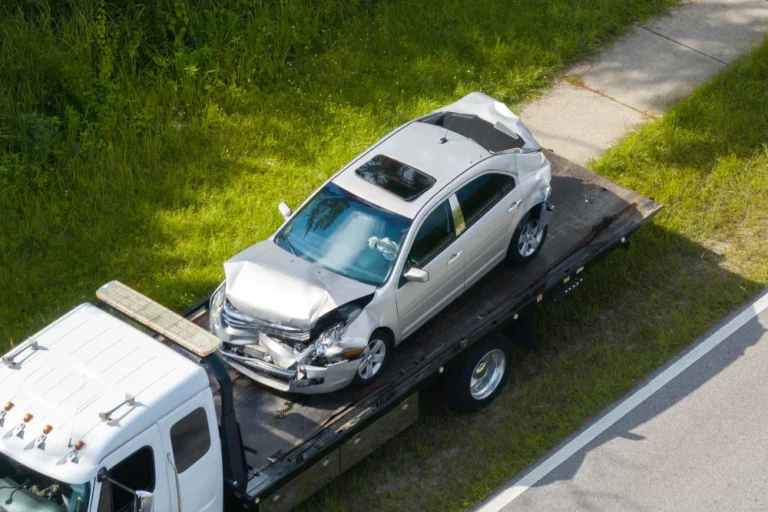
On January 1st, a new Illinois law went into effect. This law was designed to crack down on rogue tow truck operators and protect drivers during some of their most vulnerable moments—right after an accident. For years, Illinois drivers have reported alarming stories: tow trucks arriving within minutes of a crash, vehicles being hauled away […]

The holidays are one of the busiest—and most stressful—travel seasons of the year. Whether you’re heading out for a long road trip or flying to visit family, a little preparation can go a long way in preventing accidents, protecting your home, and keeping your loved ones safe. As personal injury attorneys, we see firsthand how […]

