


.svg)
 Motor Vehicle Accidents
Get a FREE Consultation
We want to earn your business.


Chicago Wrongful Death Attorney
Get the support your family needs.
If you lost a loved one in a fatal accident, our wrongful death attorneys can help you hold negligent parties accountable. Navigating loss places a heavy emotional burden on grieving families. When a household member passes away suddenly, families typically face additional financial stress, further contributing to the hardship surviving victims endure. When loss is caused by the negligence of another party, individuals can feel overwhelmed by compounding the legal process with grief. A wrongful death lawyer can help grieving families find financial stability, guide surviving loved ones through the claims process, and help bring at-fault parties to justice.

“Kevin has been amazing to work with. He has kept us informed all throughout the process and took on our case not for the potential earnings (it was a minimal payout case, as we expected) but he felt so strongly that what happened to our son was wrong and could put potential other children in harms way as well. He has checked in on our sons recovery process multiple times, if for no other reason than he legitimately cares. I could not be more thankful for how he represented our family.”
Lynn Reuter
GET HELP NOWWho Can File a Wrongful Death Claim?
A wrongful death claim must be brought by a representative or executor of the decedent’s estate. Typically, this is a surviving family member of the decedent. If the decedent did not appoint an executor for his or her estate, the courts may appoint one on his or her behalf. In Illinois, there are restrictions on who can serve as an executor to an estate.
Basic Requirements for Executors in Illinois
Individuals who wish to act as an executor to a loved one’s estate must be at least 18 years of age. They must also be lawful United States residents and of sound mind as determined by the court. Persons with felony charges are not eligible to act as estate executors in Illinois.
Additional Restrictions for Illinois Executorss
In addition to meeting basic state requirements, Illinois will reject executors who are categorized as a “disabled person.” Individuals are considered a disabled person if:
- They have a mental or physical incapacity that prevents themfrom caring for themselves
- They are diagnosed with fetal alcohol syndrome
- They are unable to provide for themselves or dependents due to alcohol or drug addiction, gambling addiction, being “idle,” or engaging in reckless behavior.
What Constitutes a Wrongful Death Lawsuit?
A wrongful death lawsuit is a claim brought against a negligent entity or liable party following a fatal accident or injury. Wrongful death claims allow grieving dependents to recover financial losses and hold liable parties accountable. These claims typically arise in circumstances where the decedent would have had grounds for a personal injury lawsuit if he or she had survived.
Fatal injuries that give rise to a wrongful death lawsuit can be caused by negligence, or by intentional actions. A fatal car accident involving a drunk, incapacitated, or distracted driver would yield a wrongful death lawsuit on the basis of the liable party’s negligence. The intentional killing of a victim may also provide grounds for a wrongful death lawsuit.
Damages Recoverable in Wrongful Death Claims
Damages in a wrongful death lawsuit typically compensate for two things: damages suffered by the decedent prior to death and damages accrued by the decedent’s loved one after the fatal accident. Plaintiffs generally recover economic damages, noneconomic damages, and, in some cases, punitive damages.
-
Economic Damages
Economic damages typically represent financial support the decedent would have contributed to surviving loved ones and costs associated with the injury or loss. These include loss of expected income, costs for medical treatment prior to death, funeral and burial costs, and other damages the decedent would have been awarded in a personal injury claim.
-
Non-Economic Damages
Non-economic damages represent losses suffered by family members that don’t carry a direct monetary value. These often include pain and suffering of survivors, the decedent’s pain and suffering prior to death, loss of counsel, loss of consortium, emotional anguish, and loss of care and guidance that the deceased would have provided.
-
Punitive Damages
In cases where fatal injuries resulted from malicious acts or egregiously negligent behavior, surviving victims can pursue punitive damages. Punitive damages are intended as a punishment against the liable party or entity.

Recovering Damages Through a Wrongful Death Lawsuit
Loved ones of a deceased victim must meet a burden of proof in order to recover damages. For cases involving negligent actions, the claimant must show:
-
The defendant owed the decedent a duty of care
-
The duty of care was breached by the defendant
-
The breach of the duty of care caused the decedent’s death
-
Damages arose as a result of the death of the decedent
FAQ About Car Accidents in Illinois:
What damages can I recover in a wrongful death lawsuit?
Surviving victims seeking to recover damages through a wrongful death lawsuit can recover economic, non-economic, and, in certain cases, punitive damages. Economic damages represent losses that have a direct monetary value, such as medical bills and funeral costs. Non-economic damages represent losses that do not have an assigned monetary value, such as emotional anguish and loss of consortium. Punitive damages are recoverable in cases where the liable entity’s actions were malicious or egregious.
How long do I have to file a wrongful death claim?
Estate executors have two years from the decedent’s date of death to file a wrongful death claim in Illinois. However, if the decedent’s death was caused by violent intentional conduct, executors have five years from the date of death to pursue a claim. For cases involving a criminal charge, a wrongful death claim may be brought one year after the case is completed.
Can I file a wrongful death claim for a loved one’s fatal work injury?
In the event of a fatal workplace accident, a lawsuit cannot be brought against the employer in Illinois. This includes situations where the employer was at fault for the accident. However, victims may be able to file a wrongful death lawsuit if other liable parties were involved in the fatal accident.
Plan for tomorrow, get your free consultation today.
Related Blog Posts
READ MORE FROM THE BLOG
In recent years, courts have overturned hundreds of criminal convictions in Chicago after uncovering patterns of police misconduct that undermined the integrity of investigations and prosecutions. Many of these cases involve allegations of improper tactics by former Chicago police officers, including former CPD Commander Jon Burge, former Sgt. Ronald Watts, and former Detective Reynaldo Guevara. […]
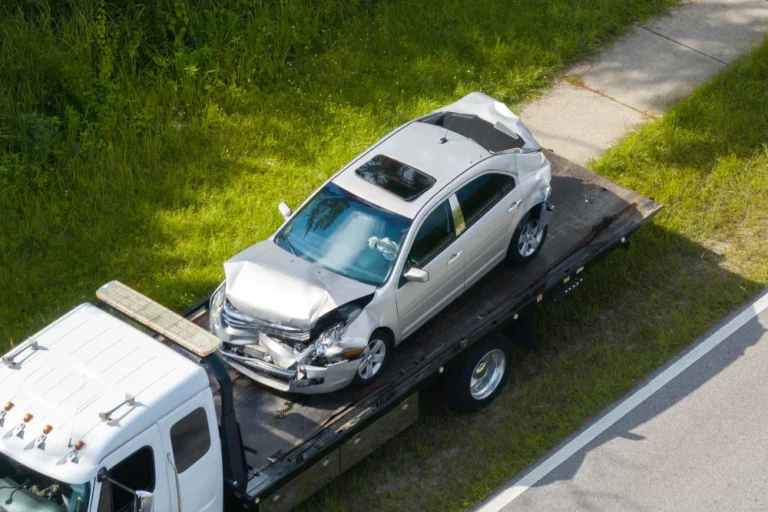
On January 1st, a new Illinois law went into effect. This law was designed to crack down on rogue tow truck operators and protect drivers during some of their most vulnerable moments—right after an accident. For years, Illinois drivers have reported alarming stories: tow trucks arriving within minutes of a crash, vehicles being hauled away […]

The holidays are one of the busiest—and most stressful—travel seasons of the year. Whether you’re heading out for a long road trip or flying to visit family, a little preparation can go a long way in preventing accidents, protecting your home, and keeping your loved ones safe. As personal injury attorneys, we see firsthand how […]

