


.svg)
 Motor Vehicle Accidents
Understanding the Dangers of Combustible Dust in the Workplace

Call: (312) 609-0400
or fill out the Contact Form
Workplace Dangers from Combustible Dust
When oxygen, fuel, heat, dispersion, and confinement are present in a workplace, a combustible dust explosion can occur. The combination of these five factors is referred to as the Dust Explosion Pentagon. If one of the factors is missing, a combustible dust explosion can't occur. There are five conditions that must be present:- Combustible dust (fine particles)
- High concentrations of dust suspended in the air
- An oxidant, such as atmospheric oxygen, chlorine, or fluorine
- An ignition source, such as electrostatic discharge, friction, hot surfaces, electrical arcing, or fire
- Confined spaces or enclosures
Call: (312) 609-0400
or fill out the Contact Form
About the Author


In recent years, courts have overturned hundreds of criminal convictions in Chicago after uncovering patterns of police misconduct that undermined the integrity of investigations and prosecutions. Many of these cases involve allegations of improper tactics by former Chicago police officers, including former CPD Commander Jon Burge, former Sgt. Ronald Watts, and former Detective Reynaldo Guevara. […]
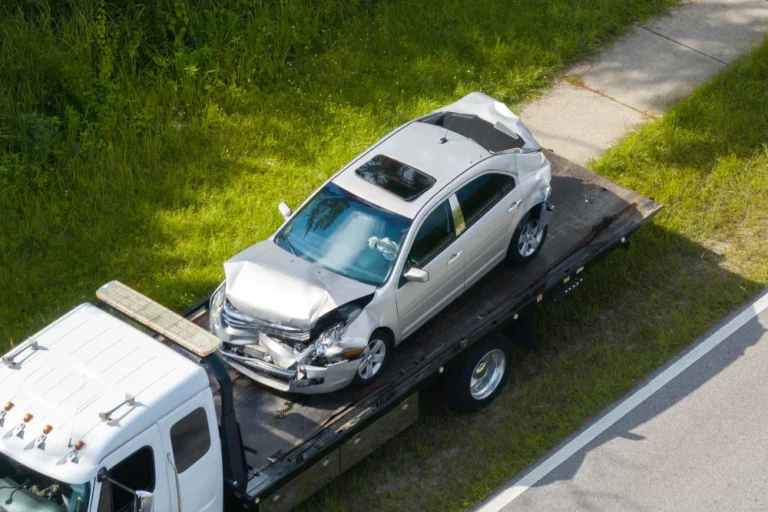
On January 1st, a new Illinois law went into effect. This law was designed to crack down on rogue tow truck operators and protect drivers during some of their most vulnerable moments—right after an accident. For years, Illinois drivers have reported alarming stories: tow trucks arriving within minutes of a crash, vehicles being hauled away […]

The holidays are one of the busiest—and most stressful—travel seasons of the year. Whether you’re heading out for a long road trip or flying to visit family, a little preparation can go a long way in preventing accidents, protecting your home, and keeping your loved ones safe. As personal injury attorneys, we see firsthand how […]