


.svg)
 Motor Vehicle Accidents
Don’t Overlook Eye Safety at Work
Call: (312) 609-0400
or fill out the Contact Form
How Workers Suffer Eye Injuries and Eye Injuries
According to the Centers for Disease Control and Prevention (CDC), work-related eye injuries fall into three categories:- Scraping or striking. Most work-related eye injuries are caused from objects or small particles scraping or striking the eye. This could include wood chips, dust, metal slivers, cement chips or other materials that are blown around, ejected from equipment or fall on the worker from above. Workers also suffer blunt-force trauma to the eye socket or eyeball from walking into objects or by getting stuck in the eye or face with large objects.
- Penetrating. This type of injury is caused from objects like staples, nails from nail guns, or metal/wood slivers puncturing the worker’s eyeball. Permanent loss of vision can occur.
- Thermal or chemical burns. Workers who use cleaning products or industrial chemicals are at risk for chemical burns to their eyes. Those who use welding equipment could suffer thermal burns that could permanently injure their eyes and surrounding tissues.
Training and PPE Are Essential
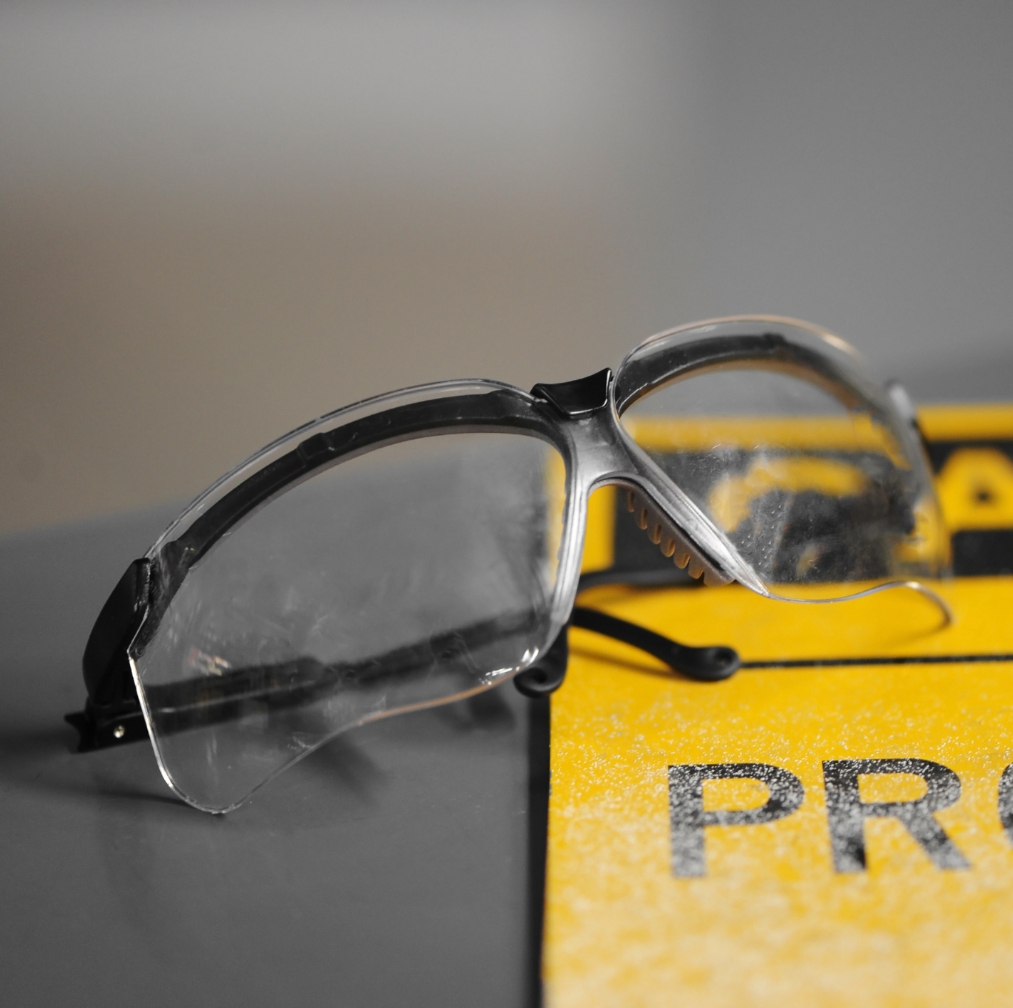
Using proper eye protection like safety glasses, face shields, goggles or full-face respirators can protect workers from eye injuries. However, knowing what types of eye protection should be used for different types of tasks does require training. Workers often avoid using eye protection because it is uncomfortable or it interferes with their vision. In some instances, workers simply forget to use their PPEs. Employers should ensure that workers are trained in the use of PPE and are properly fitted with the right eye protection for the risks they are exposed to on the job.Call: (312) 609-0400
or fill out the Contact Form
About the Author


In recent years, courts have overturned hundreds of criminal convictions in Chicago after uncovering patterns of police misconduct that undermined the integrity of investigations and prosecutions. Many of these cases involve allegations of improper tactics by former Chicago police officers, including former CPD Commander Jon Burge, former Sgt. Ronald Watts, and former Detective Reynaldo Guevara. […]
On January 1st, a new Illinois law went into effect. This law was designed to crack down on rogue tow truck operators and protect drivers during some of their most vulnerable moments—right after an accident. For years, Illinois drivers have reported alarming stories: tow trucks arriving within minutes of a crash, vehicles being hauled away […]

The holidays are one of the busiest—and most stressful—travel seasons of the year. Whether you’re heading out for a long road trip or flying to visit family, a little preparation can go a long way in preventing accidents, protecting your home, and keeping your loved ones safe. As personal injury attorneys, we see firsthand how […]