


.svg)
 Motor Vehicle Accidents
Is the nursing home prescribing antipsychotics to your loved one?

Call: (312) 609-0400
or fill out the Contact Form
When putting a loved one into a Chicago nursing home facility, family members and friends may feel justly concerned about the skills and integrity of facility caregivers. While a patient may enter a nursing home using little to no medication, some friends and relatives are finding that their loved ones are started on new medications during their stay without their prior knowledge or consent. One common category for illegal nursing home drugging is antipsychotics. Cases of illegal antipsychotic drug administration often lead to patient harm.
According to the basic guidelines for medication safety released by the Center for Disease Control, at least 40 percent of all adverse drug events in non-hospital settings are believed to be preventable. An experienced Chicago nursing home abuse lawyer will be all too familiar with these kinds of statistics for wrongfully administered medications causing serious harm.
What are antipsychotic drugs?
Antipsychotics are not designed to cure illnesses, but to alter or improve nerve reactions and psychotic behavior. Varying doses are given to change the way nerve cells communicate, thus affecting a patient’s behavior. These drugs are often implemented in the treatment of schizophrenia and other forms of psychosis. Common psychotic behaviors include:
- Hallucinations
- Physical aggression
- Frequent agitation
When a patient displays continuous symptoms of psychotic behavior, they should be evaluated by a medical professional who can prescribe the right type of drug. Most doctors are aware that antipsychotic drugs can be especially risky for elderly patients who show early signs of dementia. Patients who take antipsychotics while displaying the beginnings of dementia are at an increased risk for heart attack, stroke, and death.
Illegal antipsychotic drug administration
While antipsychotic drugs are effective in some users, others should not be taking them for the risk they may pose to preexisting health conditions. When nursing home workers give patients antipsychotics without the consent of loved ones who have precedence over the individual, activities begin to fall into the category of nursing home abuse. The American Association of Retired Persons recently did a report on the harmful effects of antipsychotic drugs on one elderly woman. The victim’s family says that their mother was mentally altered by the antipsychotics administered, and that the meds were given without informed consent.
Sadly, this case is not unique. One nursing and sociology professor at San Francisco’s University of California, Charlene Harrington, estimates that one in five nursing home patients are receiving unnecessary antipsychotics. Not only can these drugs be used to enforce control over patients, but are potential harmful to elderly individuals who display early warning signs of dementia. Friends or family members of nursing home patients who believe their loved ones have suffered injury or death due to abuse in nursing homes should contact a Chicago nursing home abuse lawyer to seek justice.
Call: (312) 609-0400
or fill out the Contact Form
About the Author

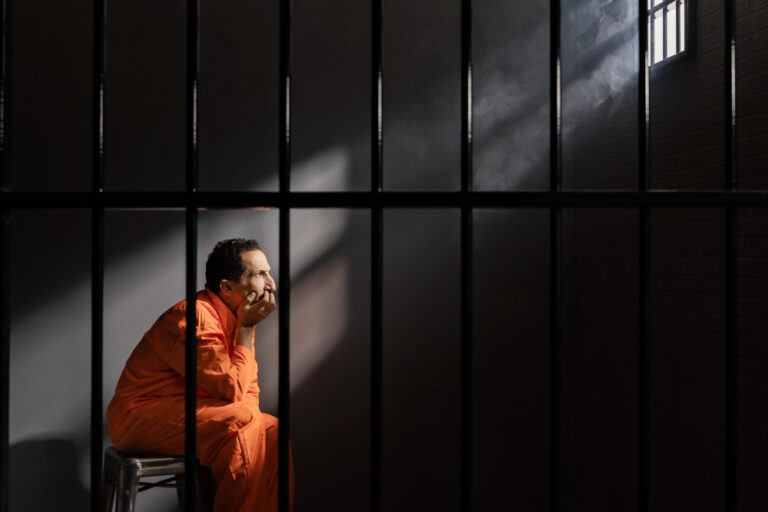
In recent years, courts have overturned hundreds of criminal convictions in Chicago after uncovering patterns of police misconduct that undermined the integrity of investigations and prosecutions. Many of these cases involve allegations of improper tactics by former Chicago police officers, including former CPD Commander Jon Burge, former Sgt. Ronald Watts, and former Detective Reynaldo Guevara. […]
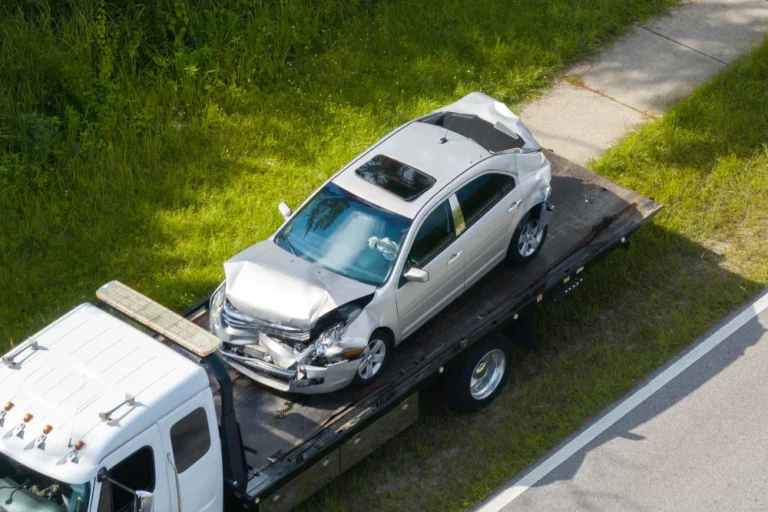
On January 1st, a new Illinois law went into effect. This law was designed to crack down on rogue tow truck operators and protect drivers during some of their most vulnerable moments—right after an accident. For years, Illinois drivers have reported alarming stories: tow trucks arriving within minutes of a crash, vehicles being hauled away […]

The holidays are one of the busiest—and most stressful—travel seasons of the year. Whether you’re heading out for a long road trip or flying to visit family, a little preparation can go a long way in preventing accidents, protecting your home, and keeping your loved ones safe. As personal injury attorneys, we see firsthand how […]