


.svg)
 Motor Vehicle Accidents
Overturned Convictions Due to Police Misconduct

Call: (312) 609-0400
or fill out the Contact Form
In recent years, courts have overturned hundreds of criminal convictions in Chicago after uncovering patterns of police misconduct that undermined the integrity of investigations and prosecutions.
Many of these cases involve allegations of improper tactics by former Chicago police officers, including former CPD Commander Jon Burge, former Sgt. Ronald Watts, and former Detective Reynaldo Guevara. Their cases have drawn national attention and sparked ongoing scrutiny of how wrongful convictions occur.
According to reporting by CBS News, Chicago has approved $33.75 million in settlements tied to misconduct cases involving these three officers alone.
For the individuals affected, the consequences were devastating. Many spent years — sometimes decades — behind bars for crimes they did not commit before their convictions were overturned.
What types of misconduct can lead to overturned convictions?
Wrongful convictions are rarely caused by a single mistake. Instead, they often stem from a pattern of investigative tactics that distort or fabricate the truth.
Common allegations in these cases include:
Coerced confessions Suspects may be pressured during long interrogations to confess to crimes they did not commit. Individuals might admit guilt simply to end the interrogation or because they have been coerced to believe it is the only way to go home.
Planted evidence Evidence may be falsely attributed to a suspect or placed at a scene to support an arrest.
Fabricated witness testimony Witnesses may be pressured, coached, or misrepresented in reports to identify a suspect.
Manufactured physical evidence Investigators may claim certain evidence exists or was recovered when it never actually existed.
These practices can produce cases that appear strong in court but are built on false foundations.
Who were the 3 officers that led to almost $34 million in settlements?
The following Chicago officers have been linked to patterns of misconduct that later resulted in hundreds of overturned convictions.
Jon Burge
Former CPD Commander Jon Burge became infamous for allegations that detectives under his command used torture and coercive interrogation techniques to obtain confessions. Numerous convictions connected to these practices have been overturned. In 1993, Burge was fired from the Chicago Police Department. After decades of accusations, he was finally indicted for lying under oath in 2008. Burge served a 4.5 year sentence and passed on in 2018.
Ronald Watts
Former Sgt. Ronald Watts, who operated in Chicago’s Ida B. Wells housing development area, was accused by numerous individuals of falsifying arrests, planting drugs, and coercing witnesses. Courts have since vacated more than 200 convictions tied to his cases. Watts resigned before he was convicted for extortion. In 2012, an FBI sting caught him stealing money from a man posing as a drug dealer. He pleaded guilty and admitted to routinely extorting money from drug dealers. He was sentenced to 22 months in prison.
Reynaldo Guevara
Former Detective Reynaldo Guevara has been linked to a large number of overturned convictions involving allegations of fabricated witness testimony and manipulated evidence. He routinely refused to testify in cases where he had been accused of coercing suspects into false confessions. In one case, he pleaded the fifth amendment over 200 times. Guevara retired in 2005 and was never held accountable for misconduct. He continues to collect a pension from the CPD.
Can I file a civil rights case for an overturned conviction?
Not every wrongful arrest automatically results in a civil case. In most situations, several legal conditions must be met before an individual can pursue compensation.
Typically, the following must occur:
A criminal conviction The case must have resulted in a conviction, not simply questioning or temporary detention.
A period of incarceration The individual must have served time in jail or prison. The length of incarceration often plays a role in determining damages.
The conviction must be overturned A court must vacate the conviction, often because new evidence or findings of misconduct invalidate the case.
A Certificate of Innocence is issued The exoneree must receive a Certificate of Innocence confirming they did not commit the crime.
Once these steps occur, individuals may pursue civil claims seeking compensation for harm caused by the wrongful conviction.
The Cost of a Wrongful Conviction
The financial settlements tied to these cases reflect just a portion of the damage caused.
For those who were wrongfully convicted, the consequences often include:
- Years or decades lost to incarceration
- Separation from family and children
- Lost employment and financial stability
- Emotional and psychological trauma
- Difficulty rebuilding a life after release
Civil rights lawsuits cannot restore the years lost, but they can provide resources for rebuilding and help hold institutions accountable.
What is the overall impact of these cases?
The hundreds of overturned convictions connected to misconduct cases in Chicago highlight the need for integrity in our justice system.
When investigative misconduct occurs, the consequences ripple outward — affecting not just the accused, but also victims, families, and public trust in the legal system.
Uncovering wrongful convictions helps bring accountability and can lead to reforms that protect future defendants from the same injustices.
Were you or someone you know wrongfully convicted?
If a conviction was overturned due to improper police tactics — including coerced confessions, fabricated evidence, or planted evidence — you may have legal options available.
These cases are complex and fact-specific. But when individuals have spent years incarcerated for crimes they did not commit, the law provides pathways to seek justice.
Speaking with an attorney can help determine whether a civil rights claim may be possible.
Call: (312) 609-0400
or fill out the Contact Form
About the Author

What does a Lawyer Cost?
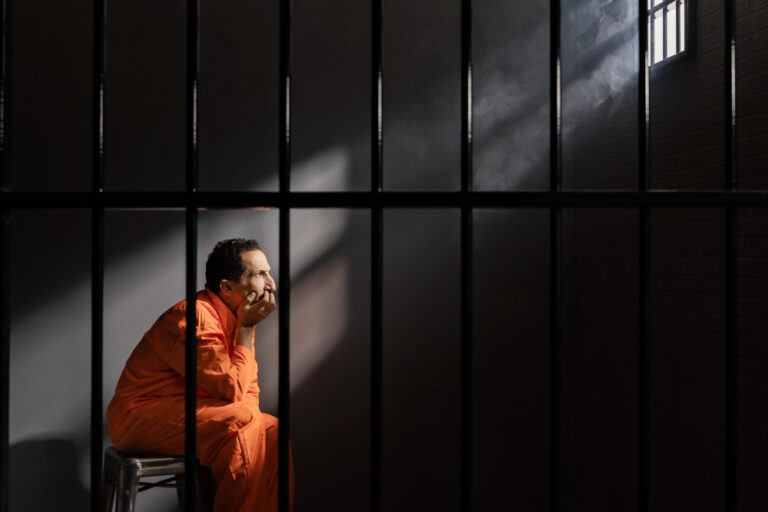
In recent years, courts have overturned hundreds of criminal convictions in Chicago after uncovering patterns of police misconduct that undermined the integrity of investigations and prosecutions. Many of these cases involve allegations of improper tactics by former Chicago police officers, including former CPD Commander Jon Burge, former Sgt. Ronald Watts, and former Detective Reynaldo Guevara. […]

On January 1st, a new Illinois law went into effect. This law was designed to crack down on rogue tow truck operators and protect drivers during some of their most vulnerable moments—right after an accident. For years, Illinois drivers have reported alarming stories: tow trucks arriving within minutes of a crash, vehicles being hauled away […]

The holidays are one of the busiest—and most stressful—travel seasons of the year. Whether you’re heading out for a long road trip or flying to visit family, a little preparation can go a long way in preventing accidents, protecting your home, and keeping your loved ones safe. As personal injury attorneys, we see firsthand how […]