


.svg)
 Motor Vehicle Accidents
Looking Back: Some of the Worst Workplace Accidents in History
Call: (312) 609-0400
or fill out the Contact Form
Imperial Food Chicken Processing Plant Fire – 1991
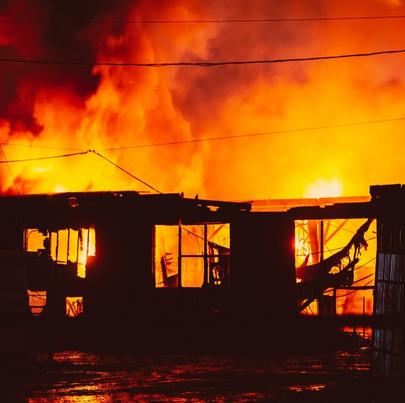
On September 3, 1991, 25 workers died and 56 were injured during the Imperial Food Chicken Processing Plant fire in Hamlet, North Carolina. The fire was caused by a faulty modification of a hydraulic line. Workers were trapped inside the plant. It was found that the plant had not had a safety inspection during its 11 years of operation. The fire door was kept locked because the owner thought workers would try to steal from the company. Workers used phones inside the building to call for emergency help, but nobody responded until the plant owner’s son drove to the fire station to report that people were trapped. A federal investigation was launched into this disaster after the company received a state fine that was less than the federal minimum. The federal government eventually took charge of most of North Carolina’s worker safety laws. Because the plant’s safety violations were so blatant, the owner received a 20-year prison sentence. The plant never reopened.Piper Alpha Explosion – 1988
On July 16, 1988, 165 oil workers on the Piper Alpha oil platform in the North Sea and two rescue workers were killed by an explosion. This accident could have been prevented with a safety check after routine maintenance was performed on a pressure safety valve. A temporary disc cover was left in place instead of reinstalling the valve. Once the pump was restarted, leaking gas ignited and caused the explosion. Normally such a fire would have burnt out on its own, but it continued to burn because it was fed fuel from adjoining platforms. The control center from Occidental Petroleum Corporation who owned the platforms failed to authorize the shutdown of the pumps. The reason for the denial was because it would take several days and be too expensive to restart the pumps. Occidental was found guilty of inadequate safety and maintenance procedures but received no criminal charges. The silver lining to this disaster is that it led to the adoption of Offshore Installations Regulations in 1992.Call: (312) 609-0400
or fill out the Contact Form
About the Author

In recent years, courts have overturned hundreds of criminal convictions in Chicago after uncovering patterns of police misconduct that undermined the integrity of investigations and prosecutions. Many of these cases involve allegations of improper tactics by former Chicago police officers, including former CPD Commander Jon Burge, former Sgt. Ronald Watts, and former Detective Reynaldo Guevara. […]
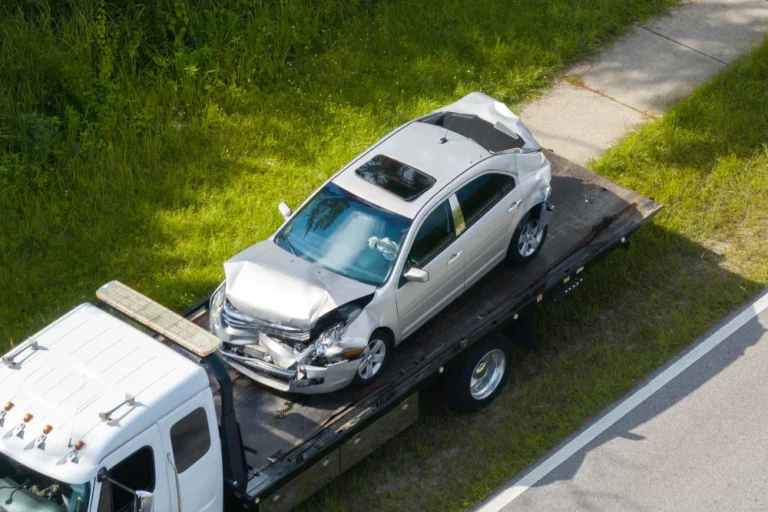
On January 1st, a new Illinois law went into effect. This law was designed to crack down on rogue tow truck operators and protect drivers during some of their most vulnerable moments—right after an accident. For years, Illinois drivers have reported alarming stories: tow trucks arriving within minutes of a crash, vehicles being hauled away […]

The holidays are one of the busiest—and most stressful—travel seasons of the year. Whether you’re heading out for a long road trip or flying to visit family, a little preparation can go a long way in preventing accidents, protecting your home, and keeping your loved ones safe. As personal injury attorneys, we see firsthand how […]