


.svg)
 Motor Vehicle Accidents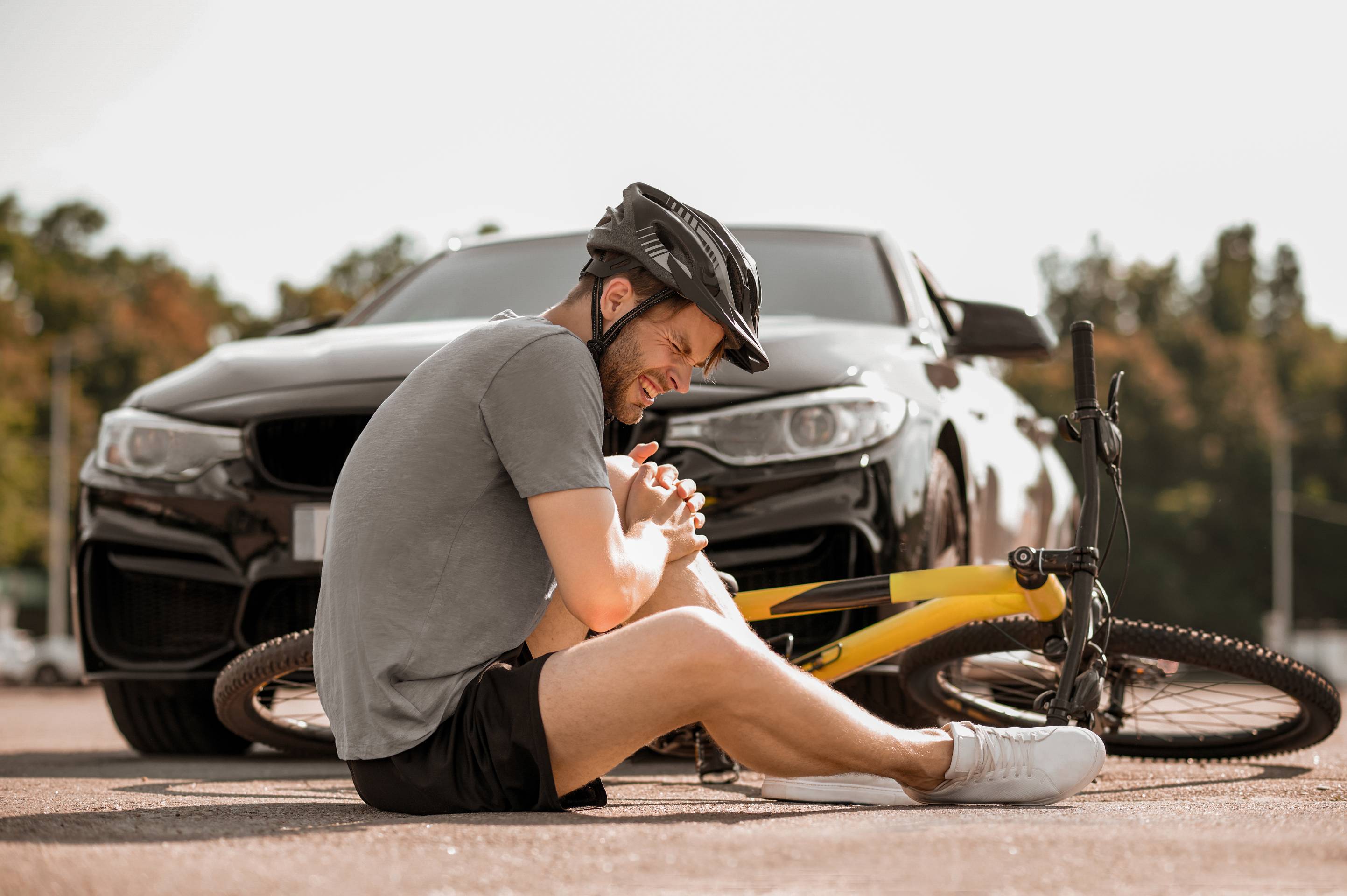
2027 Illinois E-Bike and Scooter Laws: Stay Safe and Compliant

Call: (312) 609-0400
or fill out the Contact Form
New Illinois E-Bike and Scooter Laws are coming in 2027
What Riders, Parents and Drivers Need to Know to Stay Safe and Compliant
Electric scooters and e-bikes have quickly become part of everyday transportation in Chicago and throughout Illinois. They are convenient, relatively inexpensive and give people another way to get around without a car. They also come with very real risks. At Strom Yen Injury Attorneys, we have seen many injuries involving scooters, e-bikes and other electric transportation devices. Riders have very little protection when they collide with a car, truck, roadway hazard or even another rider. And as these devices have become faster and more powerful, the potential for serious injury has grown. Illinois is now establishing clearer statewide rules for their use. Governor JB Pritzker signed Senate Bill 3484, now Public Act 104-0854, on August 26, 2026. The law takes effect January 1, 2027 and creates statewide standards for e-bikes, electric scooters, e-motos and other electric micromobility devices. Here is what Illinois riders, parents, pedestrians and drivers need to know.Why Did Illinois Change Its E-Bike and Scooter Laws?
Technology has moved quickly. Some devices that look like bicycles or scooters can travel at speeds that make them perform much more like motorcycles. Until now, Illinois law did not have comprehensive statewide regulations for many of the higher-powered devices capable of exceeding 28 mph. The Illinois Secretary of State's office cited growing safety concerns as one reason for the legislation, including a significant nationwide increase in micromobility-related injuries and fatalities. Illinois also experienced several serious and fatal crashes involving young e-bike and scooter riders during the summer of 2026. For families purchasing these devices, one of the biggest challenges has been simply understanding what a child is legally allowed to ride, how fast it can travel and where it belongs on the road. The new law attempts to make those distinctions clearer.The Rules Depend on What You Are Riding
One of the most important things to understand is that not every electric bike or scooter is treated the same way. Illinois law now distinguishes among traditional low-speed e-bikes, electric micromobility devices such as scooters, and higher-powered electric vehicles that can travel faster than 28 mph.Class 1 and Class 2 E-Bikes
Class 1 e-bikes provide motor assistance while the rider pedals and stop providing assistance at 20 mph. Class 2 e-bikes can use the motor to propel the bicycle without pedaling, but motor assistance also stops at 20 mph. Beginning January 1, 2027:- Riders must be at least 15 years old.
- They may generally be used on streets and roads where bicycles are permitted, including bike lanes.
- They may generally be used on bicycle paths, although certain state agencies, park districts, forest preserve districts, conservation districts and transit districts may regulate their use.
- They cannot be operated on sidewalks.
Class 3 E-Bikes
Class 3 e-bikes provide pedal assistance up to 28 mph. Riders must be at least 16 years old to operate a Class 3 e-bike. These bikes are also prohibited from sidewalks. That 28 mph distinction is important. Once an electric bicycle falls outside Illinois' definition of a low-speed e-bike, it can be treated very differently under the Vehicle Code.Higher-Powered E-Bikes and E-Motos Face Motorcycle-Like Requirements
The law establishes much stricter requirements for certain electric bikes and e-motos that are capable of traveling faster than 28 mph. Under the new law, riders of qualifying higher-powered devices will generally need:- A driver's license
- A vehicle title
- State registration
- Liability insurance
New Rules for Electric Scooters and Other Micromobility Devices
The law also establishes statewide rules for what it calls electric micromobility devices. This category includes electric scooters, electric skateboards and electric unicycles. Beginning January 1, riders generally must be at least 16 years old. These devices may generally be operated on streets, roadways, bicycle lanes and bicycle paths, but there are important restrictions. They may not be operated:- On sidewalks
- On interstate highways
- On roads with speed limits above 35 mph unless there is a designated bike lane
- At speeds above 28 mph on public roads, bike lanes or bike paths
Scooters Must Have Proper Brakes and Lights
The new law also includes equipment requirements. Electric micromobility devices must have a functioning braking system. When ridden at night, they must have a white light visible from at least 500 feet in front and an approved rear reflector or red light. Other rules include:- Riders cannot carry passengers unless the device was designed for more than one person.
- Riders cannot attach themselves or their device to another vehicle.
- Riders cannot knowingly modify a device beyond its original speed capability.
- Riders cannot operate an electric micromobility device while under the influence of alcohol or drugs.
- Devices must be maintained in good operating condition.
What These Laws Could Mean After an Accident
From a personal injury perspective, these rules matter for another reason: determining responsibility after a crash. An accident involving an e-bike or scooter can raise questions about many different parties.- Was a driver speeding, distracted or failing to yield?
- Was the rider operating somewhere the device was prohibited?
- Was the rider old enough to legally operate the device?
- Was the scooter traveling faster than allowed?
- Did the device have properly functioning brakes and lights?
- Was there a dangerous roadway condition?
- Was the device defective or improperly maintained?
Drivers Have Responsibilities, Too
The new rules are not just something scooter and e-bike riders should know. Drivers need to adjust to the growing number of electric devices sharing Illinois roads and bike lanes. The Illinois Secretary of State reminds motorists to provide cyclists and micromobility users adequate passing space, check carefully before turning, watch for riders before opening a vehicle door and avoid driving, standing or parking in bicycle lanes. Most importantly, drivers should not underestimate how quickly an e-bike or electric scooter may be approaching. A rider traveling 20 or 28 mph can cover significantly more ground than someone riding a traditional bicycle at a casual pace.Parents Should Check the Device Before Their Child Rides
If your child or teenager has an e-bike or electric scooter, do not rely solely on how the manufacturer describes it online. Check:- The maximum assisted speed
- The motor wattage
- The e-bike class, if applicable
- The minimum legal age for that device
- Whether it is permitted on roads, bike lanes or paths
- Whether it has functioning brakes and proper lighting
- Whether your child understands basic traffic laws
More Devices on the Road Require More Awareness
E-bikes and electric scooters are not going away. They have become a useful transportation option for thousands of Illinois residents.
But riders, parents and motorists need to understand what these devices can do and how quickly a routine trip can result in a serious accident.
At Strom Yen Injury Attorneys, we have seen the injuries that can result when a scooter, e-bike, car or truck collides. Clearer rules give riders, parents and drivers more information about where these devices belong and the responsibilities that come with using them.
The new Illinois micromobility law takes effect January 1, 2027. Riders and families should take the time now to understand how their particular device will be classified and what rules will apply.
Injured in an E-Bike or Scooter Accident?
If you or a family member has been seriously injured while riding an e-bike, electric scooter or other micromobility device, determining what happened and who may be responsible can be complicated.
Contact Strom Yen Injury Attorneys to discuss your accident and learn more about your legal options.Call: (312) 609-0400
or fill out the Contact Form


New Illinois E-Bike and Scooter Laws are coming in 2027 What Riders, Parents and Drivers Need to Know to Stay Safe and Compliant Electric scooters and e-bikes have quickly become part of everyday transportation in Chicago and throughout Illinois. They are convenient, relatively inexpensive and give people another way to get around without a car. […]

For many families, the school bus is part of the daily routine. Parents send their children out the door each morning trusting that the driver behind the wheel has been properly licensed, trained, screened, and medically cleared to safely transport students. Illinois has specific requirements designed to help make sure that happens. Unfortunately, a tragic […]

Police officers, firefighters, and paramedics face risks most people never encounter during the workday. When a line-of-duty injury leaves a first responder unable to work, the immediate concern may be recovery. Questions about pay, medical bills, benefits, and job security often follow close behind. In Illinois, eligible public safety employees may be protected by both […]