


.svg)
 Motor Vehicle Accidents

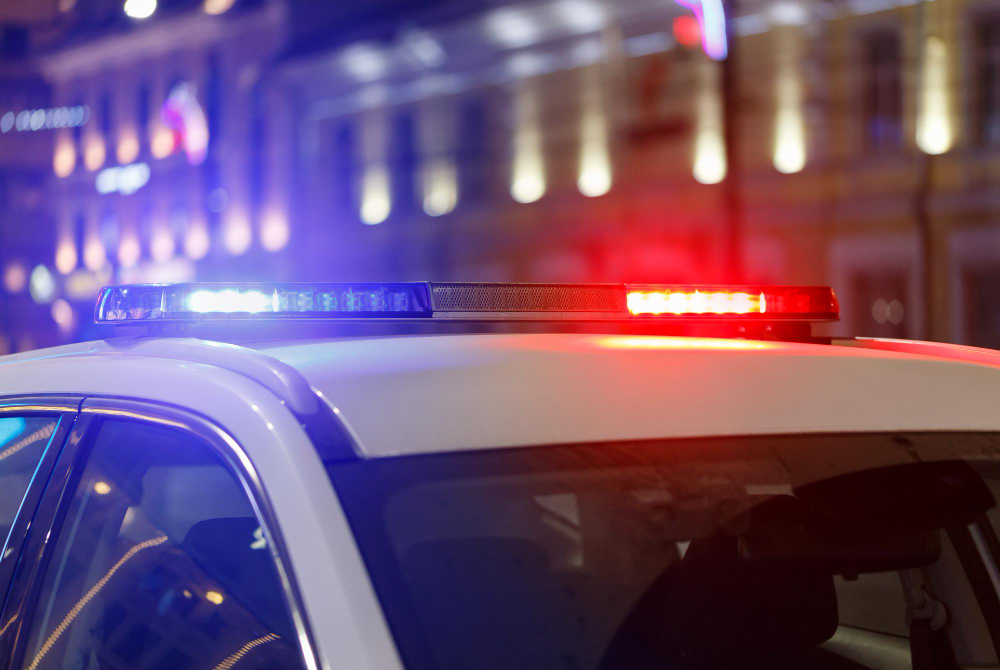
Chicago Police Department investigating misuse of License Plate Reader Technology and other police resources.
Call: (312) 609-0400
or fill out the Contact Form
How much can The Chicago Police Department learn about your whereabouts simply by scanning your license plate?
Automated License Plate Reader (ALPR) technology gives law enforcement a powerful tool to help investigate crimes and protect public safety. But what happens when officers use that technology for personal reasons or purposes unrelated to legitimate police work?
Recent allegations of misconduct involving Illinois police officers have raised serious concerns about the misuse of police technology, individual privacy rights, and the need for greater accountability.
The Chicago Police Department (CPD) is now reviewing its policies governing the use of license plate reader technology, including safeguards intended to prevent unauthorized access and abuse.
CPD closed the public comment window on November 12, 2026 regarding the potential misuse of police technology and resources including License Plate Reader Technology.
“As part of our continuous review of public safety technology, CPD invites the community to review and provide feedback on the revised directive that includes additional guidelines regarding the use of external ALPR systems which CPD has access to.”
The probe and comment window was launched due to numerous Illinois law enforcement personnel found to have used technology for personal use, including one officer using the technology to track women he previously dated.
Chicago Police Department Special Order S03-20 AUTOMATED LICENSE PLATE READER (ALPR) SYSTEMS ISSUE, provides in part:
VI. PROHIBITED USE
Department members will not access, use, or disseminate any ALPR data or information for:
A. investigating purposes or enforcing laws prohibited by 625 ILCS 5/2-130(b);
B. any purpose that violates Illinois or the United States Constitution;
C. non-law-enforcement or personal purposes;
D. discriminatory purposes;
E. the purpose of prohibiting, infringing upon, or deterring individual activities protected
by the First Amendment (e.g., religion practices, freedom of speech and peaceful assembly,
freedom of the press, and the right to petition for the redress of grievances;
1. harassing or intimidating any individual or group;
IX. VIOLATIONS
B. Members who engage in the misuse of the equipment, databases, or data use and
queries will be subject to disciplinary action, including:
1. suspended or discontinued access;
2. disciplinary actions or sanctions; and
3. potential referral to appropriate authorities for criminal prosecution, as necessary
Former Bloomingdale Police Officer Charged With Official Misconduct
Concerns about the misuse of license plate reader technology are more than hypothetical.
On November 13, 2026, a former Bloomingdale police officer, Gino Giovenco, was charged with three felony counts of official misconduct and one misdemeanor count of computer tampering for allegedly conducting unauthorized searches using police databases.
According to DuPage County prosecutors, Giovenco improperly accessed the Illinois Law Enforcement Agencies Data System (LEADS) on two occasions in 2025 and allegedly conducted another unauthorized license plate search using the Flock automated license plate reader system in 2026.
The allegations came to light following an internal audit of Bloomingdale’s use of Flock technology. Giovenco has been charged but is presumed innocent unless proven guilty.
This case is particularly troubling because license plate reader technology can provide law enforcement with information about an individual’s whereabouts and movements. When officers use these resources for purposes unrelated to legitimate police work, they risk violating the privacy rights of the very people they are sworn to protect.
The Bloomingdale case reinforces the importance of oversight, regular audits, and meaningful consequences for officers who abuse their authority. Public trust depends on accountability.
Read the full story in the Daily Herald.
Why should the public be concerned?
We are granted certain privacy rights by our country’s laws. That right to privacy granted to public citizens should not be invaded by law enforcement officers. We must remain vigilant and bring attention to every instance of abuse. Those actions must be checked and safeguards must be in place.
If you or someone you know was the subject of an improper police inquiry using police resources for unpermitted purposes, please call us for a consultation. Your information will be
kept private and confidential.
Call: (312) 609-0400
or fill out the Contact Form

Chicago Police Department investigating misuse of License Plate Reader Technology and other police resources.
How much can The Chicago Police Department learn about your whereabouts simply by scanning your license plate? Automated License Plate Reader (ALPR) technology gives law enforcement a powerful tool to help investigate crimes and protect public safety. But what happens when officers use that technology for personal reasons or purposes unrelated to legitimate police work? […]

Does Workers’ Comp Cover Lost Wages in Illinois? A work injury often brings two worries at once: getting medical care, and paying the bills while you cannot work. Illinois workers’ compensation addresses both. This guide focuses on the second one: whether you qualify for lost-wage benefits, which benefit fits your situation, when payments should start, […]
How Much Does Workers’ Comp Pay in Illinois? If a work injury has kept you off the job, the first question is usually a practical one: how much will my check be? In Illinois, the answer comes from a formula set by the Workers’ Compensation Act. Once you know your average weekly wage, you can […]