


.svg)
 Motor Vehicle Accidents
Chicago’s Second Season: Construction
Call: (312) 609-0400
or fill out the Contact Form
What Drivers and Pedestrians Should Watch For
Like the old saying goes, Chicago has two seasons: winter and construction.
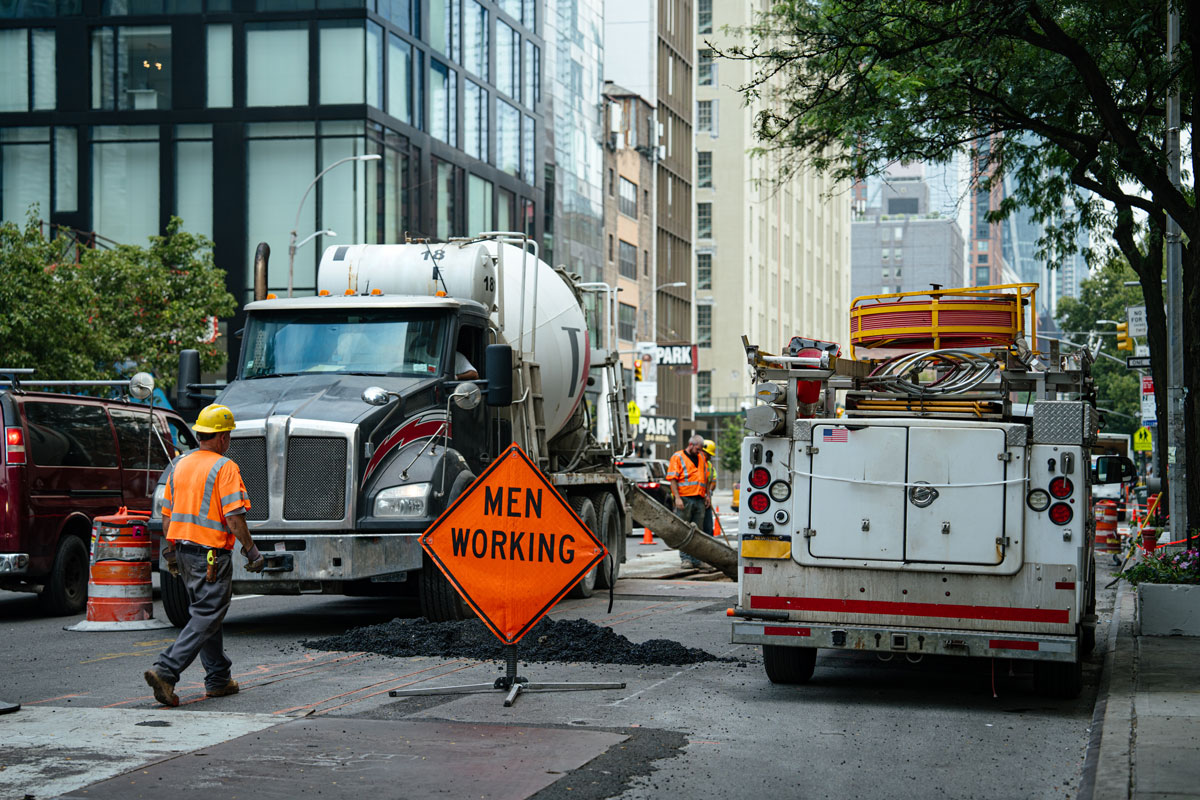
Once the weather warms up, orange cones, lane closures, sidewalk detours, utility work, street resurfacing, scaffolding, and building projects become part of daily life across the city. Construction is necessary, but it can also create real safety risks for drivers, pedestrians, cyclists, and workers.
Whether you are behind the wheel, walking to work, crossing near a job site, or navigating a blocked sidewalk, it is important to slow down, pay attention, and expect the unexpected.
Why Construction Zones Are So Risky
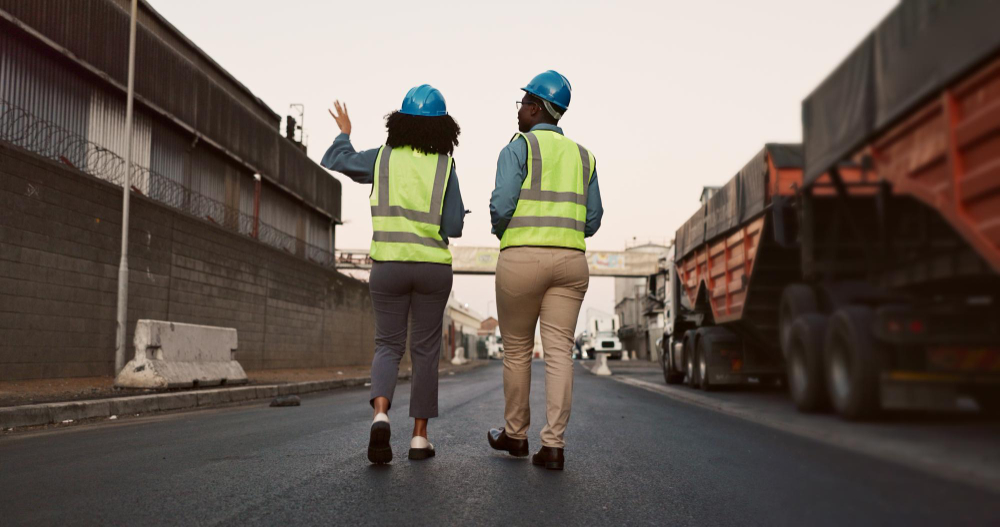
Construction zones in Chicago change the normal flow of traffic and foot traffic. A route that felt predictable yesterday may look completely different today.
Drivers may encounter:
- Sudden lane shifts
- Reduced speed limits
- Narrow lanes
- Uneven pavement
- Workers near moving traffic
- Construction vehicles entering and exiting the roadway
- Confusing or temporary signage
- Backups that appear suddenly forcing a quick slowdown or stop
Pedestrians may face:
- Closed sidewalks
- Temporary walkways
- Blocked crosswalks
- Poor visibility around fencing or equipment
- Vehicles turning through active work areas
- Construction debris or uneven pavement
- Drivers focused on cones, signs, or lane changes instead of people walking nearby
In a dense city like Chicago, these risks are magnified. Cars, buses, delivery trucks, rideshare vehicles, bicycles, scooters, pedestrians, and construction crews are often sharing limited space.
What Drivers Should Watch For
1. Sudden Stops and Lane Changes
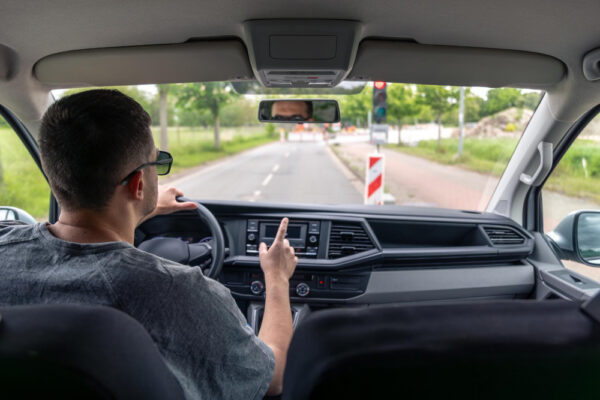
Construction zones often cause traffic to slow quickly. Leave extra space between your vehicle and the car in front of you. Tailgating in a work zone can turn a minor delay into a serious crash.
Be especially cautious near lane merges. Drivers may wait until the last second to move over, and not everyone will understand the traffic pattern right away.
2. Workers and Equipment Near the Road
Road crews may be working just feet from passing traffic. Heavy machinery, trucks, and workers in reflective gear can appear close to travel lanes, especially on narrower Chicago streets.
Slow down even when workers are not immediately visible. Equipment may be moving in and out of the area, and workers may be behind barriers, vehicles, or signs.
3. Pedestrians Forced Into New Patterns
When sidewalks or crosswalks are closed, pedestrians may be redirected to temporary walkways or opposite sides of the street. Some may cross at unusual points because the normal crossing area is blocked.
Drivers should be especially alert near:
- Construction fencing
- Covered walkways
- Bus stops near work zones
- School zones
- Intersections with blocked sidewalks
- Alleys or driveways used by construction vehicles
4. Distracted Driving
Looking down at a phone is dangerous under normal conditions. In a construction zone, it is even more precarious. Traffic patterns, signs, workers, and pedestrians can change quickly.
Put your phone down. Follow posted signs. Watch for flaggers and temporary traffic signals.
5. Construction Vehicles
Dump trucks, cranes, utility vehicles, and concrete trucks have large blind spots and may make wide turns. Do not assume the driver can see you. Give these vehicles extra room, especially near alleys, driveways, and job site entrances.
What Pedestrians Should Watch For
1. Closed or Shifted Sidewalks
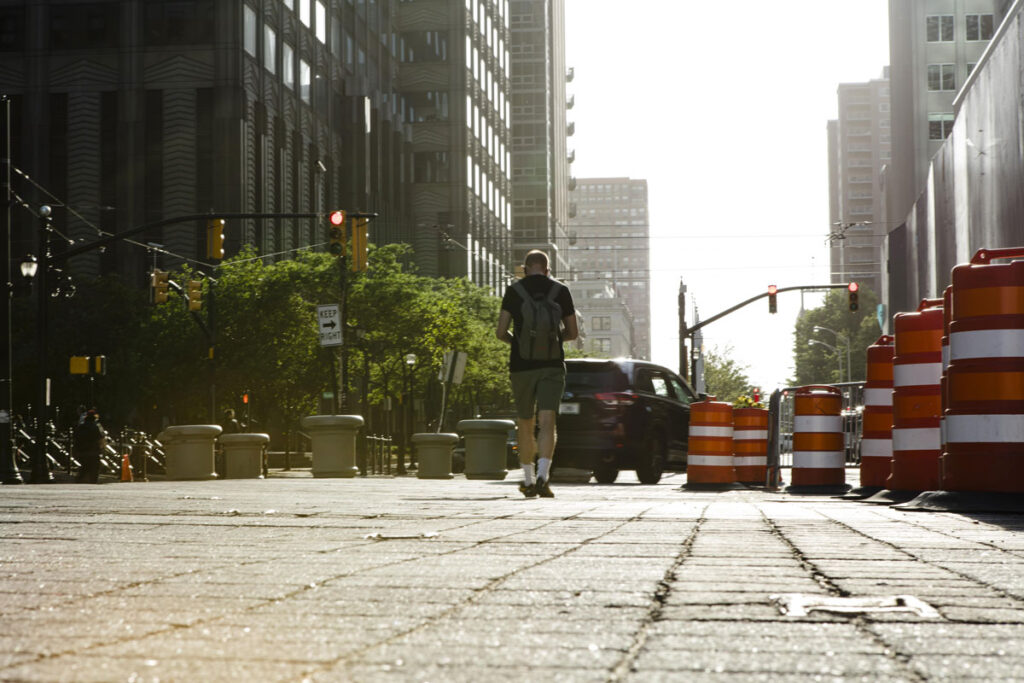
A closed sidewalk may send pedestrians into a temporary walkway, across the street, or around a construction barrier. Follow posted pedestrian detour signs whenever possible. Avoid walking into the street unless there is a marked and protected path.
If a detour feels unsafe, choose another route rather than squeezing around fencing, cones, or equipment.
2. Blocked Sightlines
Construction fencing, dumpsters, scaffolding, parked trucks, and equipment can make it harder for drivers and pedestrians to see each other.
Before stepping into a crosswalk or driveway entrance, pause and look carefully. Do not assume a driver has seen you, especially if you are emerging from behind a barrier or vehicle.
3. Turning Vehicles
Intersections near construction zones can be especially dangerous. Drivers may be focused on lane shifts, signs, or oncoming traffic and may not see pedestrians crossing.
Make eye contact with drivers when possible. Watch for vehicles turning left or right across your path, even when you have the walk signal.
4. Uneven Ground and Debris
Construction can leave sidewalks and street edges uneven. Watch for loose gravel, temporary ramps, cords, metal plates, holes, and debris.
This is especially important for older pedestrians, children, people using mobility devices, and anyone walking at night or in bad weather.
5. Headphones and Phones
Pedestrians also need to stay alert. Looking at a phone or wearing noise-canceling headphones can make it harder to notice backing trucks, horns, equipment, or shouted warnings.
Near construction zones, keep your attention on your surroundings until you are safely through the area.
Extra Caution Around Building Construction
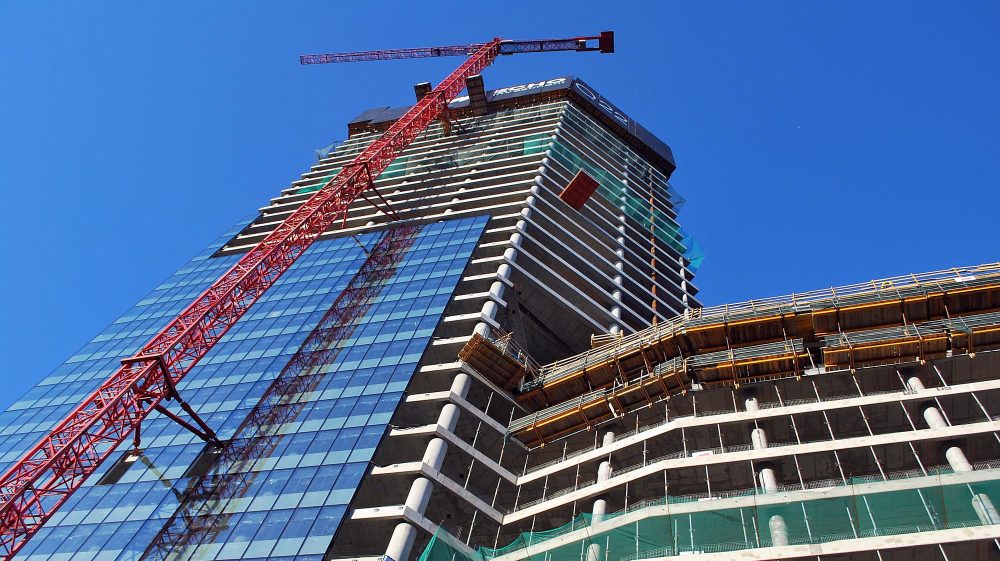
Road construction is not the only concern. Chicago also has building renovations, high-rise construction, scaffolding, façade repairs, and utility work happening throughout the city.
Pedestrians should be alert for:
- Sidewalk canopies
- Scaffolding
- Falling object warnings
- Construction entrances
- Trucks backing into alleys or loading zones
- Temporary pedestrian tunnels
- Wet or slippery surfaces near worksites
Drivers should be cautious near curbside construction activity, especially where trucks are double-parked or workers are loading and unloading materials.
What To Do After a Construction Zone Accident
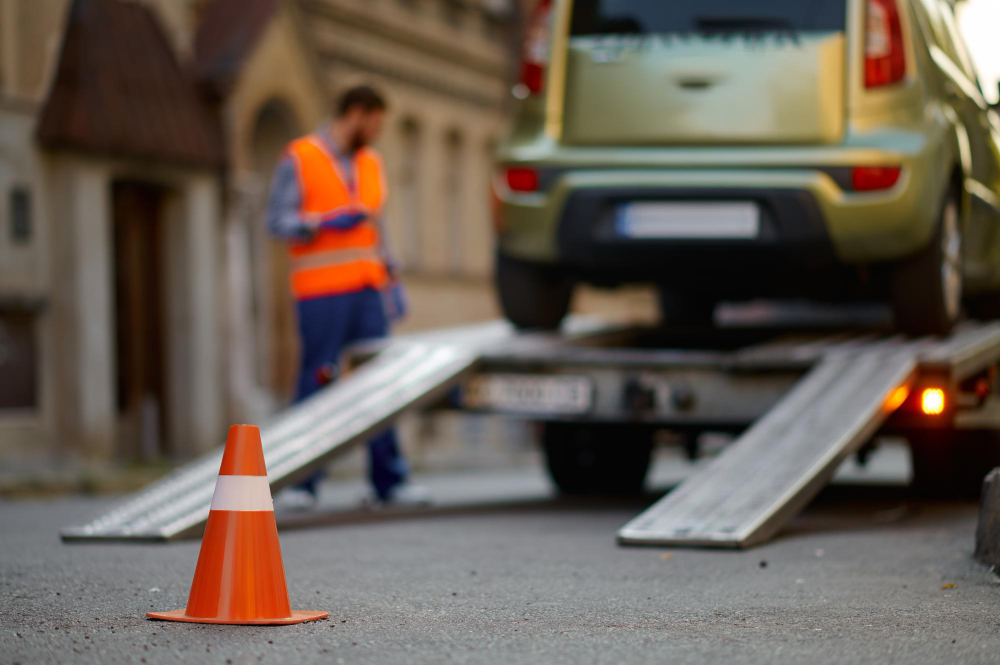
If you are involved in a crash, fall, or pedestrian accident near a construction zone, take the situation seriously.
If you are able to do so safely:
- Call 911 if anyone is injured
- Get medical attention
- Take photos of the scene, including signs, cones, barriers, lighting, pavement, fencing, and equipment
- Get contact information for witnesses
- Note the location, time, and weather conditions
- Report the incident to the appropriate property owner, contractor, or city agency if applicable
- Avoid making assumptions about who was at fault before the facts are reviewed
Construction zone accidents can involve more than one responsible party. Depending on what happened, a driver, contractor, subcontractor, property owner, government entity, or another party may need to be considered.
The Bottom Line
Construction is part of life in Chicago, but preventable injuries should not be.
For drivers, that means slowing down, staying alert, and expecting sudden changes. For pedestrians, it means watching for detours, blocked sightlines, turning vehicles, and uneven surfaces.
A few extra seconds of caution can make a major difference.
If you or someone you love was injured in a construction zone accident, the attorneys at Strom Yen Injury Attorneys can help you understand your options and what steps to take next.Call: (312) 609-0400
or fill out the Contact Form

Chicago’s 2026 Election: What You Need to Know Before November 3 Election Day is right around the corner! On Tuesday, November 3, 2026, Chicagoans will have an opportunity to weigh in on decisions affecting our city, state, and country. From public education and community safety to transportation, infrastructure, and public services, the people elected to […]

New Illinois E-Bike and Scooter Laws are coming in 2027 What Riders, Parents and Drivers Need to Know to Stay Safe and Compliant Electric scooters and e-bikes have quickly become part of everyday transportation in Chicago and throughout Illinois. They are convenient, relatively inexpensive and give people another way to get around without a car. […]

For many families, the school bus is part of the daily routine. Parents send their children out the door each morning trusting that the driver behind the wheel has been properly licensed, trained, screened, and medically cleared to safely transport students. Illinois has specific requirements designed to help make sure that happens. Unfortunately, a tragic […]