No Fees Unless You Win!
Call now for your free consultation
(312) 609-0400
close
Cases We Handle
Motor Vehicle Accident, Personal Injury, Safety Tips

Summer Bike and Scooter Safety in Chicago

Call: (312) 609-0400

Summer in Chicago brings more people outside, more traffic near the lakefront, more rideshare activity, and more bikes and scooters on city streets. Whether you ride your own bike, rent a Divvy, or use an electric scooter to get around, it is important to understand that you are not just “riding around.” Under Illinois law, bicyclists are treated much like drivers.

That means cyclists have rights on the road, but they also have responsibilities.

Bikes Are Treated Like Vehicles in Illinois

Many people are surprised to learn that Illinois law treats bicyclists similarly to drivers. The Illinois Vehicle Code states that a person riding a bicycle on the road has the same rights and duties applicable to the driver of a vehicle, unless a specific bicycle rule applies or the rule does not make sense for a bike.

In plain English: if you are riding a bike on the street, you generally need to follow the same traffic rules as cars.

That includes:

  • Stopping at stop signs
  • Stopping at red lights
  • Riding in the same direction as traffic (unless otherwise indicated by signage)
  • Yielding when required
  • Using caution at intersections
  • Following posted signs and traffic-control devices

Unlike some states, Illinois does not have an “Idaho Stop” law that allows cyclists to treat stop signs as yield signs. If there is a stop sign, cyclists are expected to come to a complete stop.

Cyclists Have the Same Right to Be on the Road

The law does not just place duties on cyclists. It also protects them.

The Illinois Secretary of State explains that, on most roadways, bicyclists — including those on electric bikes and low-speed vehicles such as scooters and mopeds — have the same rights and responsibilities as other roadway users. Drivers must yield to cyclists the same way they would yield to another vehicle, and when passing a cyclist, motorists must do so slowly and leave at least three feet of passing space.

That is important in a city like Chicago, where bike lanes, parked cars, buses, rideshare vehicles, and delivery trucks often compete for limited space.

A cyclist may also need to move farther into the lane to avoid hazards like:

  • Potholes
  • Debris
  • Drainage grates
  • Parked cars
  • Opening car doors
  • Narrow lanes
  • Construction zones

Staying safe does not always mean hugging the curb. Sometimes the safest place to ride is where drivers can clearly see you.

Sidewalk Riding Rules in Chicago

Sidewalk riding is another area where many riders are confused.

Chicago’s municipal code limits when people may ride bikes on sidewalks. In general, a person age 12 or older may ride on a sidewalk only if the sidewalk is officially marked as a bicycle route, or if the rider is using the sidewalk to access the nearest roadway, intersection, designated bike path, or bike-share station. Chicago also prohibits bicycles on Lake Shore Drive and on other public ways where signs prohibit bike operation.

Class 3 low-speed electric bicycles may not be ridden on sidewalks in Chicago.

Even where sidewalk riding is allowed, Illinois law requires bicyclists on sidewalks or crosswalks to yield to pedestrians and give an audible signal before passing.

What About Electric Scooters?

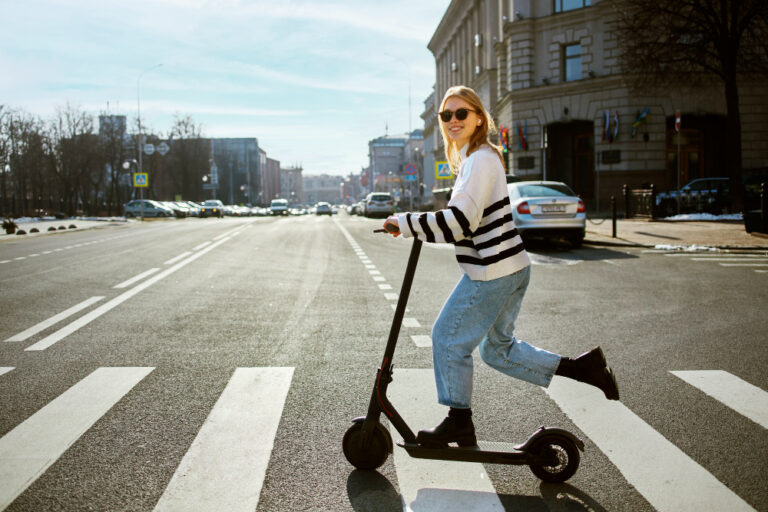
Electric scooters can be convenient, especially for short trips downtown or between neighborhoods. But scooter riders should not assume the rules of the road don't apply to them.

Chicago and Illinois treat scooters as part of the broader roadway safety system. The Illinois Secretary of State includes low-speed vehicles such as scooters and mopeds in its guidance that roadway users have rights and responsibilities similar to other vehicles.

That means scooter riders should:

  • Obey traffic signals and stop signs
  • Ride with the flow of traffic
  • Avoid sidewalk riding where prohibited
  • Yield to pedestrians
  • Use bike lanes where available and lawful
  • Stay alert around parked cars and turning vehicles

The safest scooter ride is often not the fastest one. Slow down near intersections, crosswalks, bus stops, alleys, and busy pedestrian areas. Protect yourself and others by being vigilant while riding your scooter. Bonus points if you wear a helmet. We have seen many terrible injuries that could have been prevented by wearing protective gear.

Summer Safety Tips for Cyclists and Scooter Riders

Chicago summers are busy. More pedestrians are out, more tourists are navigating unfamiliar streets, and more drivers may be distracted. A few simple habits can reduce your risk of injury.

1. Treat Intersections as High-Risk Areas

Many bike and scooter crashes happen when a driver turns across a rider’s path or fails to yield. Approach intersections carefully, even when you have the right of way. Make eye contact with drivers when possible, and watch for vehicles turning right across a bike lane.

2. Watch for Car Doors

“Dooring” is a serious hazard in Chicago. Riders should leave enough space between themselves and parked cars whenever possible. Drivers and passengers should always check before opening a door into traffic.

3. Use Lights, Even at Dusk

Summer rides often stretch into the evening. Use front and rear lights, reflective gear, and bright clothing. Visibility matters, especially near the lakefront, under viaducts, and on side streets with poor lighting.

4. Do Not Ride Against Traffic

Riding against traffic may feel safer because you can see cars coming, but it is dangerous and unexpected. Illinois guidance states that bicyclists are required to travel in the same direction as vehicles.

5. Be Careful Around Buses and Trucks

Large vehicles have significant blind spots and need more room to turn. Never assume a driver can see you. Avoid riding alongside buses, trucks, or delivery vehicles at intersections.

6. Slow Down Near Pedestrians

Chicago’s sidewalks, crosswalks, parks, and lakefront areas can become crowded quickly. Pedestrians may step into a bike lane or street without seeing you. Slow down and give people space.

7. Wear a Helmet

A helmet cannot prevent every injury, but it can reduce the risk of serious head trauma. This is especially important for children, commuters, and anyone riding in heavy traffic.

Drivers Also Have a Responsibility to Share the Road

Bike and scooter safety is not only the rider’s responsibility. Drivers must look for cyclists and scooter riders before turning, opening doors, pulling away from the curb, or entering a bike lane. Illinois guidance makes clear that drivers must yield to bicyclists as they would to another vehicle and must leave at least three feet when passing.

Drivers should also remember that cyclists may legally need to use more of the lane when avoiding hazards or riding on narrow streets.

Injured While Biking or Scootering in Chicago?

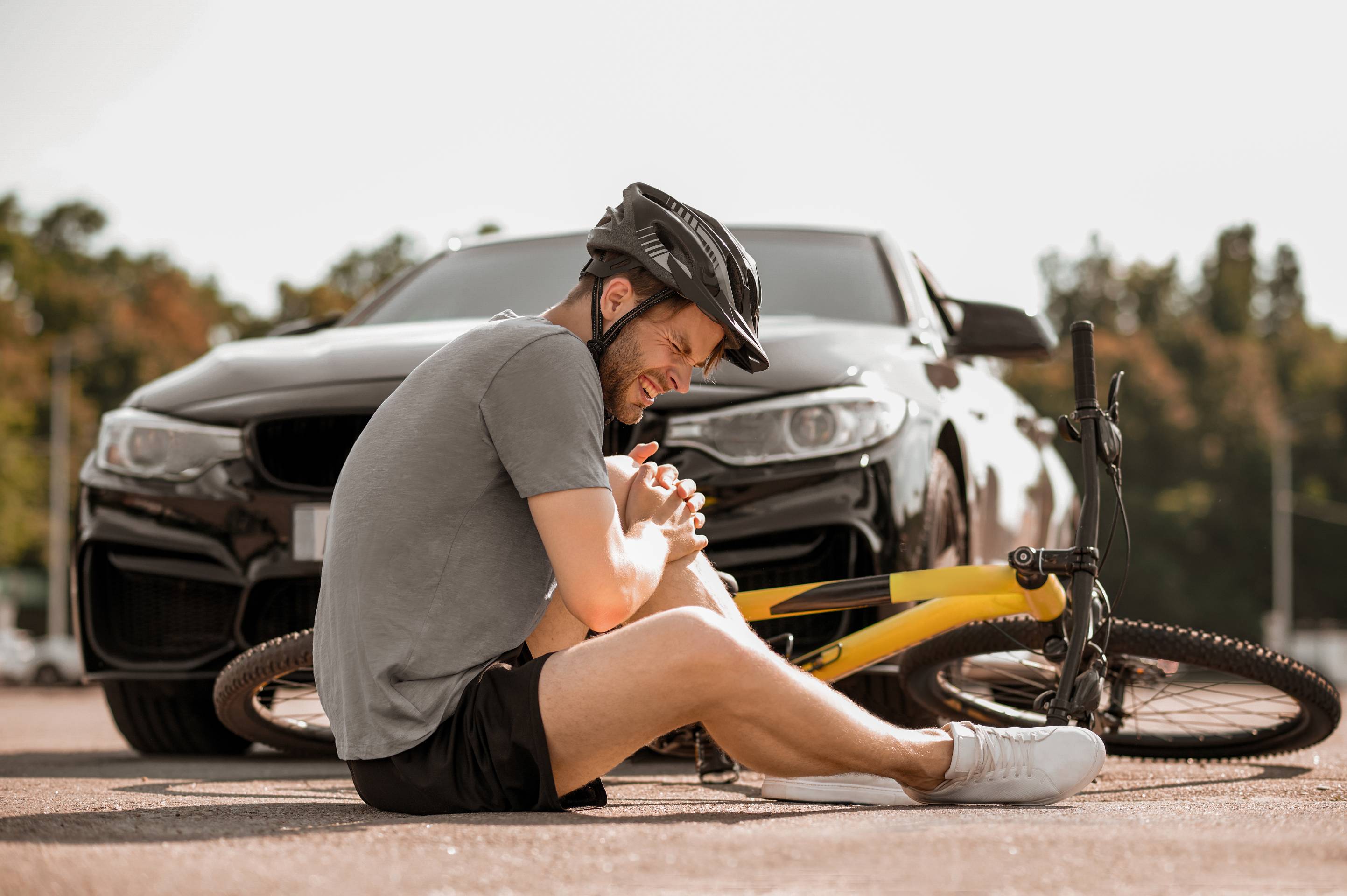
Even careful riders can be seriously injured when a driver is distracted, fails to yield, opens a car door, blocks a bike lane, or turns without looking.

If you or someone you know was injured while biking or riding a scooter in Chicago, Strom Yen Injury Attorneys is here to answer your questions honestly. We understand how quickly a summer ride can turn into a painful injury, unexpected medical bills, and time away from work.

Our team cares about people, not just cases. We can help you understand your options and what steps may protect your claim after a crash.

Call: (312) 609-0400

About the Author

Kevin Yen is a partner with the law firm. Kevin has dedicated his professional career helping injury victims for over 25 years. He believes in sharing his knowledge and experience of the personal injury industry with the general public so that they can be smart consumers and not be exploited or mistreated. In addition to his blogs, articles and other writings, he also volunteers his time with a number of free legal aid clinics including churches and community outreach centers.