


.svg)
 Motor Vehicle Accidents
The Rise of Presumptions in the Workers’ Compensation System

Call: (312) 609-0400
or fill out the Contact Form
Several states have passed COVID-related presumption laws. California, Vermont, and Illinois are some of the states that have so far extended workers' compensation presumptions to include COVID-19 for essential workers.
In a workers' compensation case, an injured or ill worker must show that an illness or personal injury emerged during the course of his or her employment. Proving this is often straightforward for most physical and visible injuries from accidents at work. The story is different for some illnesses and other conditions that can arise from the job environment.
Presumptive Laws Are for 'Hard to Prove' Occupational Injuries
Some illnesses equally affect the general public, so proving that they resulted from a work environment can be challenging. Presumptive laws in workers' compensation systems are helpful. The statutes address that specific illnesses in certain groups of laborers are likely related to the conditions and challenges of their work, even when proving causation might be difficult.
The Burden of Proof
Compensation for occupational diseases has historically been subject to the employee proving that the disease arose from his or her job. Presumptive laws change the burden of proof. The employer now must prove that the illness or injury was not acquired in the work scope.
For example, firefighters work in an environment of smoke and heat, and these poisons can harm their lungs. There is proof that firemen's malignant growth rates are a lot higher than those of the general public. Many states have enacted presumptive laws to address these illnesses among firefighters.
Many states have similarly passed presumptive laws to cover workers involved in public safety. Police officers, prison wardens, and emergency medical officers are covered under presumptive laws in Florida and Maine. California has similar presumptive laws covering for the 'hard-to-prove' occupational injuries and illnesses of lifeguards, peace officers, and correctional officers.
COVID-19 Presumptive Laws
The inclusion of occupational illnesses in workers' compensation began as early as 1918. California was the first to enact COVID 19 presumptive laws for essential workers. The laws came into effect through an executive order by Gov. Gavin Newsom made on May 6. Illinois followed suit. On June 5, Gov. J.B. Pritzker signed rebuttable presumption laws for client-facing workers during COVID 19. On July 15, Vermont Governor Phil Scott signed a similar bill to guarantee that frontline workers can receive compensation if they contract the virus at work.
Call: (312) 609-0400
or fill out the Contact Form
About the Author

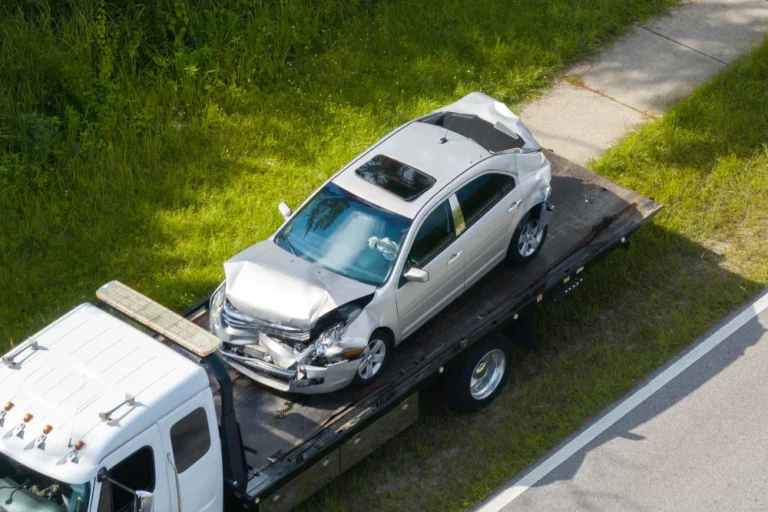
On January 1st, a new Illinois law went into effect. This law was designed to crack down on rogue tow truck operators and protect drivers during some of their most vulnerable moments—right after an accident. For years, Illinois drivers have reported alarming stories: tow trucks arriving within minutes of a crash, vehicles being hauled away […]

The holidays are one of the busiest—and most stressful—travel seasons of the year. Whether you’re heading out for a long road trip or flying to visit family, a little preparation can go a long way in preventing accidents, protecting your home, and keeping your loved ones safe. As personal injury attorneys, we see firsthand how […]

Keep Halloween Fun, and Stay Safe Doing It Halloween should be full of costumes, laughter, and candy — not preventable injuries. Whether you’re out trick-or-treating, driving through your neighborhood, or welcoming visitors to your home, a little extra care goes a long way in keeping everyone safe. 🎃 Trick-or-Treating Tips Add reflective tape to costumes […]