


.svg)
 Motor Vehicle Accidents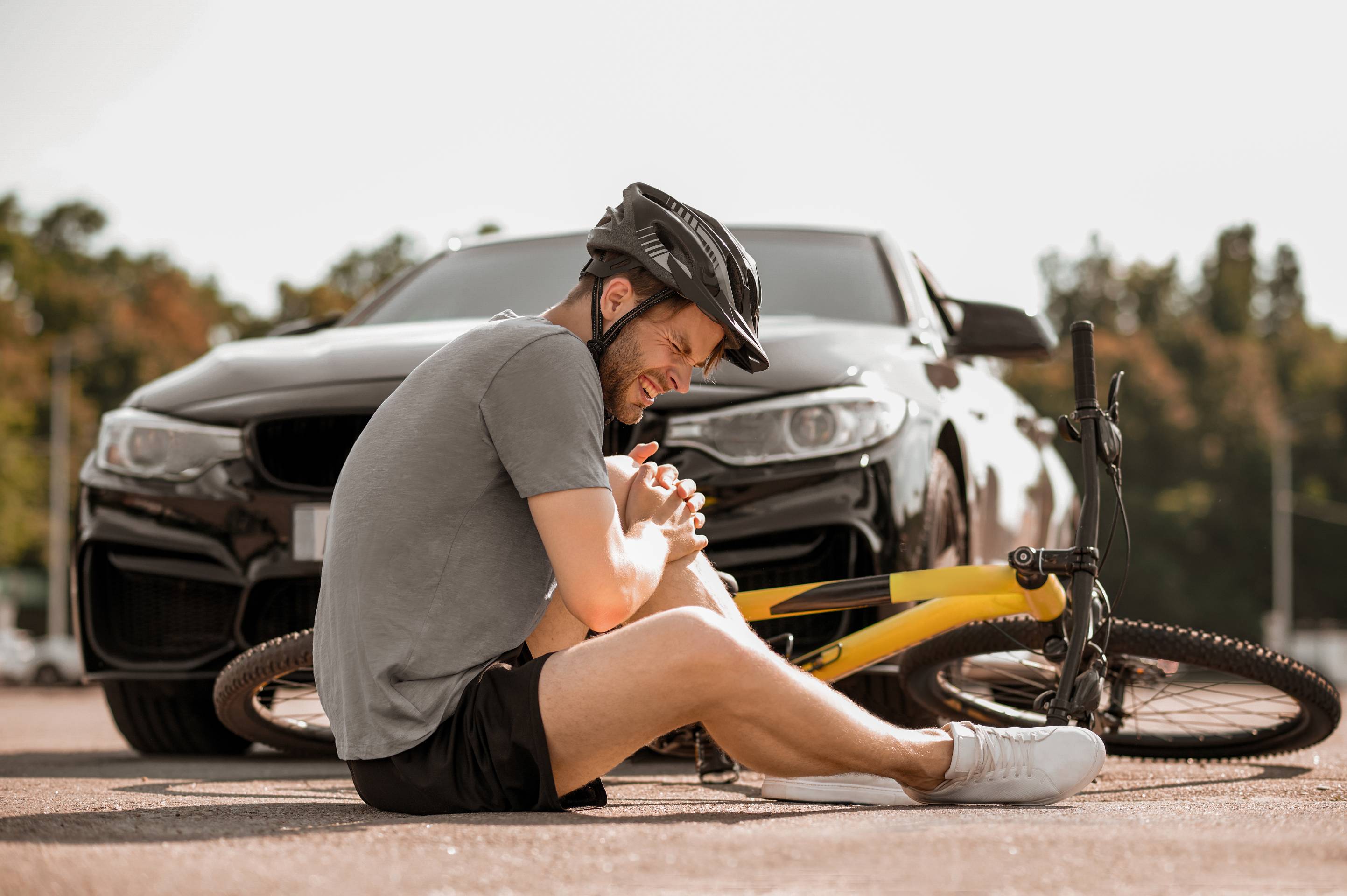
Most Common Personal Injury Cases

Call: (312) 609-0400
or fill out the Contact Form
The most common personal injury cases involve negligent actions of another person that cause injuries in a variety of circumstances.
The Most Common Injury Cases
Personal injury claims arise from a variety of accidents involving negligence or carelessness of another party. The most common personal injury cases include the following:
Car Accidents
Car accidents account for the highest number of personal injury cases in America. They often occur when a driver ignores traffic signals, drives recklessly, drives while impaired, or simply doesn't pay attention to the road. In most cases, careless drivers can be held financially liable for property damages and injuries caused by their negligent actions.
Slip and Falls
Slip and fall accidents are a leading cause of injury and death. Personal injury claims are usually filed against property owners who have a legal duty to keep their premises reasonably safe and free of hazards. Many slip and fall cases involve negligence on the part of the property owner who knows about property hazards, but takes no actions to fix them.
Medical Malpractice
Medical malpractice claims arise when a healthcare professional violates the medical standard of care and a patient suffers injuries as a result. Common causes of medical malpractice claims include: failure to properly diagnose health conditions; failure to provide proper treatments; failure to properly inform a patient of treatment risks; surgical errors; and prescription errors. Due to a heavy burden of proof, a personal injury lawyer is essential in a case.
Dog Bites
Dog owners are financially liable for injuries caused by their dogs, but owner liability varies by state. In some states, strict liability laws make the owner liable in all injury cases, regardless of the dog's aggressive nature or previous attacks. Other states have a “one bite rule”, where owners can only be held financially liable for dog bites and attacks after a previous history of such behavior is known or documented.
Intentional Torts
Unlike other types of cases handled by personal injury lawyers, intentional torts arise out of intentional harm, rather than acts of careless or negligent actions. Intentional tort cases include physical attacks and acts of violence against another person. These types of cases often have the added aspect of a criminal case where the perpetrator can face criminal charges and jail time. In intentional tort cases, the injury victim can also file a personal injury lawsuit in civil court demanding compensation for his/her injuries.
How the Most Common Injury Cases Are Different
The article identifies five common personal injury case types: car accidents, slip and falls, medical malpractice, dog bites, and intentional torts. Each one can involve negligence, but the evidence and legal questions are not the same.
Common Personal Injury Cases: What to Look For
Use this table as a practical guide to the case types discussed in the article and the facts that often matter most in each one.
| Case Type From the Article | How the Injury Usually Happens | What Often Gets Disputed | Evidence to Save Early | Related Resource |
|---|---|---|---|---|
| Car Accidents | Crashes caused by speeding, distraction, impaired driving, unsafe turns, failure to yield, following too closely, or ignoring traffic signals. | Which driver was at fault, whether injuries were caused by the crash, whether treatment was necessary, and whether the available insurance is enough. | Police report, crash photos, vehicle damage photos, witness names, dashcam footage, insurance letters, medical records, and repair estimates. | Car Accident Lawyer |
| Slip and Falls | Falls caused by spills, uneven flooring, broken stairs, poor lighting, snow or ice, loose mats, missing warnings, or other unsafe property conditions. | Whether the property owner knew or should have known about the hazard, how long the hazard existed, and whether the injured person could have avoided it. | Photos of the hazard, shoes worn at the time, incident report, witness names, employee names, exact location, weather conditions, and any available surveillance video. | Personal Injury Lawyer |
| Medical Malpractice | Injuries caused by diagnosis failures, treatment mistakes, surgical errors, prescription errors, poor monitoring, or failure to properly explain treatment risks. | Whether the provider violated the standard of care, whether the injury was a known complication, and whether the mistake caused measurable harm. | Complete medical records, test results, discharge papers, prescription records, imaging reports, portal messages, second opinions, and a written timeline. | Medical Malpractice Attorney |
| Dog Bites | Bites or attacks that happen in neighborhoods, parks, homes, apartment buildings, sidewalks, businesses, or other places where a dog injures someone. | Who owned or controlled the dog, where the attack occurred, whether insurance applies, and the extent of scarring, infection, nerve injury, or trauma. | Photos of injuries, dog owner information, animal-control report, witness names, vaccination information, location photos, medical records, and follow-up scarring photos. | Personal Injury Lawyer |
| Intentional Torts | Injuries caused by intentional conduct, including physical attacks, assaults, violent incidents, or other deliberate harmful acts. | Whether the act was intentional, whether a civil claim can proceed separately from a criminal case, and whether insurance or another source of recovery exists. | Police report, criminal case information, witness names, photos of injuries, video footage, medical records, text messages, threats, and incident details. | Personal Injury Case Studies |
Common Injuries by Case Type
The type of accident can also affect the injuries that need to be documented. Some injuries are visible right away, while others may become clearer after imaging, specialist evaluation, or follow-up treatment.
| Case Type | Common Injuries | Why Documentation Matters |
|---|---|---|
| Car Accidents | Neck injuries, back injuries, concussions, fractures, shoulder injuries, knee injuries, nerve symptoms, and soft-tissue injuries. | Insurance companies often dispute delayed pain, prior conditions, and whether the crash was forceful enough to cause the claimed injury. |
| Slip and Falls | Broken wrists, hip injuries, ankle injuries, knee injuries, head injuries, back injuries, shoulder injuries, and sprains or strains. | The injury pattern can help explain how the fall occurred and why the hazard was dangerous. |
| Medical Malpractice | Worsened illness, surgical injury, infection, medication injury, birth injury, neurological damage, organ damage, or death. | Medical records and expert review are often needed to connect the provider’s conduct to the injury. |
| Dog Bites | Puncture wounds, torn skin, infection, nerve damage, scarring, facial injuries, hand injuries, and psychological trauma. | Photos taken over time can help show healing, scarring, disfigurement, and the need for future treatment. |
| Intentional Torts | Facial injuries, fractures, head injuries, bruising, lacerations, dental injuries, emotional trauma, and other assault-related harm. | Medical records, photos, witness accounts, police reports, and video can help separate the civil injury claim from the criminal process. |
What to Do Based on the Type of Injury Case
After a car accident
Get the police report number, photograph both vehicles, save insurance letters, and keep records of every medical visit tied to the crash.
After a slip and fall
Photograph the hazard before it is cleaned or repaired, report the incident to the property owner, and write down the names of employees or witnesses.
After suspected malpractice
Request the complete chart, keep prescriptions and discharge papers, save portal messages, and write a treatment timeline while the details are fresh.
After a dog bite or attack
Identify the dog owner, report the attack, photograph the injuries over time, and keep records of infection treatment, scarring, or follow-up care.
After an intentional injury
Save the police report, criminal case information, video, messages, witness names, and medical records showing the injury and treatment.
When the case is unclear
Some incidents overlap categories. For example, an injury at work may involve workers’ compensation and a third-party claim, while an assault at a business may involve premises security issues.
Resources for Specific Injury Cases
These pages provide more detail based on the type of accident or injury involved.
Frequently Asked Questions About Common Injury Cases
What are the most common types of personal injury cases?
Common personal injury cases include car accidents, slip and falls, medical malpractice, dog bites, and intentional torts such as assaults or other deliberate harmful acts.
Why are car accidents such common personal injury cases?
Car accidents are common because they can happen in many everyday situations, including distracted driving, speeding, impaired driving, unsafe turns, rear-end crashes, and failure to obey traffic signals.
What makes slip and fall cases difficult?
Slip and fall cases often depend on proving that a dangerous condition existed and that the property owner knew or should have known about it. Photos, incident reports, witness names, and surveillance video can be important.
How are medical malpractice cases different from other injury cases?
Medical malpractice cases usually require a review of medical records and expert analysis to determine whether a provider violated the standard of care and whether that violation caused injury.
Can a dog bite be a personal injury case?
Yes. Dog bites and attacks can be personal injury cases when a person suffers puncture wounds, infection, scarring, nerve damage, facial injuries, hand injuries, or emotional trauma.
Can an intentional tort involve both a criminal case and a civil claim?
Yes. A physical attack or intentional act may lead to criminal charges, but the injured person may also have a separate civil claim for medical bills, pain, lost income, and other damages.
Questions About a Personal Injury Case?
If you were hurt in a car accident, fall, dog attack, medical negligence incident, or intentional act, Strom Yen Injury Attorneys can review what happened and explain what evidence may matter.
Call: (312) 609-0400
or fill out the Contact Form

Chicago’s 2026 Election: What You Need to Know Before November 3 Election Day is right around the corner! On Tuesday, November 3, 2026, Chicagoans will have an opportunity to weigh in on decisions affecting our city, state, and country. From public education and community safety to transportation, infrastructure, and public services, the people elected to […]

New Illinois E-Bike and Scooter Laws are coming in 2027 What Riders, Parents and Drivers Need to Know to Stay Safe and Compliant Electric scooters and e-bikes have quickly become part of everyday transportation in Chicago and throughout Illinois. They are convenient, relatively inexpensive and give people another way to get around without a car. […]

For many families, the school bus is part of the daily routine. Parents send their children out the door each morning trusting that the driver behind the wheel has been properly licensed, trained, screened, and medically cleared to safely transport students. Illinois has specific requirements designed to help make sure that happens. Unfortunately, a tragic […]