


.svg)
 Motor Vehicle Accidents

Nursing home abuse and neglect often go unreported by facility administrators, healthcare workers, and residents due to fears of retaliation.

Fear of retaliation is the main reason workplace injuries are under-reported by workers in the United States, but employees have the right to report accidents that occur at work without worrying about any repercussions that might follow.

The failure to implement safety programs like confined space and lockout/tagout procedures in workplaces has resulted in countless serious injuries and preventable deaths. Workplace health and safety programs provide a proactive way to manage workplace hazards that can lead to accidents.
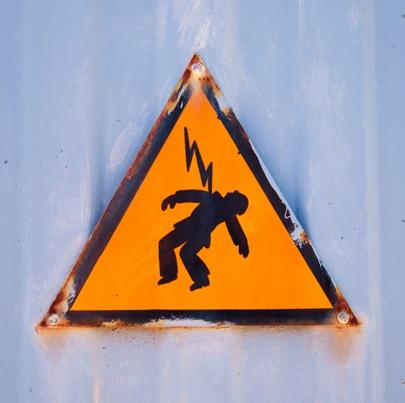
Electrical hazards are found in most workplaces and identifying and correcting unsafe habits and conditions can reduce the number of serious burns, shocks, and electrocutions that occur every year. Between 2004 and 2013, 1,881 employees lost their lives to electrical incidents in the workplace. Over 400 of those deaths occurred with less than 200v of electrical charge.

I have been practicing injury law for almost 20 years. To this day, I still receive calls from people involved in car accidents who did not carry full coverage i.e. liability only coverage. Even if you were not at fault for the accident, you are completely at the whim of the other driver’s insurance company.

Nursing home practices that affect admission, care and services, and finances often violate the federal Nursing Home Reform Law, but Illegal or dangerous practices and safety violations commonly go undetected in nursing homes.

Mental and behavioral health issues are causing more women to get hurt on the job. As many as 60 percents of workplace injuries to women are connected to depression, anxiety, and fatigue. For employers and employees alike, understanding this risk is critical to keeping the workplace safe.

The Illinois Workers’ Compensation Act requires employers to provide medical care to cure the effects of a workplace injury. Sometimes, those effects may not be apparent in the emergency room, or in the weeks to come.

Could an insurance company purchase your data from Facebook? Could an insurance company buy a map of every location that you’ve visited from Google?

America’s drug problem continues to invade the workforce and millions of people work alongside drug abusers every day, raising their risk for workplace injuries. Approximately 77 percent of Americans over the age of 18 who use illegal drugs are currently employed in at least a part-time capacity.