


.svg)
 Motor Vehicle Accidents

Before you hire a workers’ compensation attorney, make sure there is a mutual understanding and that the attorney and his or her employees treat you with respect by being courteous, polite, accommodating, and proactive. Workers’ comp cases can be lengthy and stressful when you’re waiting to find out if your claim was approved or denied by IWCC.

If workers’ comp refuses to cover your medical bills, you will need to file an application for adjustment of claim with your state’s Workers’ Compensation Commission (WCC). This application is what formally files your workers’ compensation claim with the commission.

Back injuries account for the largest percentage of work-related injuries in the U.S. They are also among the most severe workplace injuries in the nation. They usually cause the injured workers to experience mild, piercing, or persistent pain. They can result in temporary impairments, such as the inability to stand or walk. Furthermore, they can also leave the injured workers permanently disabled.

The amount of lost wages that you will receive from workers’ comp varies with the nature and extent of your injury, your income, and your work limitations. In Illinois, wage loss benefits under workers’ comp fall into four main categories.

Temporary Total Disability benefits, also referred to as “TTD,” are considered
“lost time” benefits when an employee suffers a work-related injury.

The simple answer: immediately! The sooner, the better. Most employees do not realize
that the Illinois Workers’ Compensation Act requires an injured worker to report their injury
within 45 days from the accident date or the “manifestation” date for repetitive trauma injuries,
like carpal tunnel syndrome.
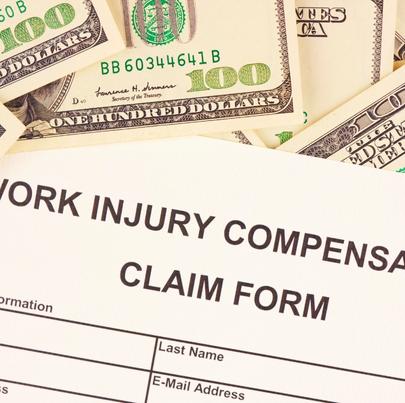
Injured workers filing a workers’ compensation claim should avoid revealing personal financial information, agreeing to be recorded, and signing documents. Instead, they should stick to the basic facts surrounding the accident or injury.

When employees sustain injuries while traveling for work, injuries are usually covered under workers’ compensation insurance provided by their employer, as long as the injuries are directly linked to work-related duties.

Remote employees in Illinois may be entitled to workers’ compensation benefits if they are injured while performing work-related duties. Due to the COVID-19 pandemic, working remotely has become the new normal for millions of American workers.

Working on a rooftop poses serious injury and fatality risks for workers who can fall through skylights, roof and floor openings, and guardrails.