


.svg)
 Motor Vehicle Accidents

Combustible dust from wood, metal, plastics, coal, biosolids, and organic materials can create an explosion under certain workplace conditions.

Employee incentive programs designed to encourage safety in the workplace can also discourage employees from reporting injuries or illnesses, and OSHA has recently finalized a ruling that will help prevent this problem. In the final ruling, OSHA prohibits any type of discrimination against employees who report injuries or illnesses, including discrimination that occurs through these incentive programs.

The size and power of earthmoving equipment used in construction mean that accidents involving these pieces of equipment are almost always fatal. Construction workers need to understand this risk in order to protect themselves on the job site. Families of construction workers need to understand their rights if they lose a loved one due to an earth moving equipment accident.
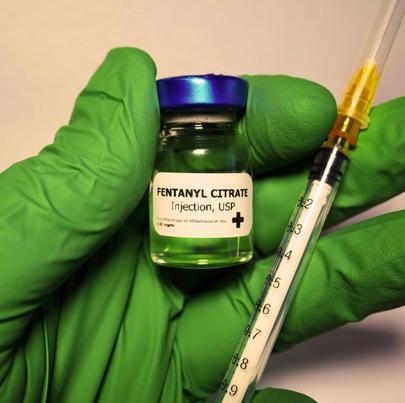
Fentanyl and its analogues are powerful opiods that create a serious problem for medical professionals and first responders who are exposed to the drugs when responding to incidents or treating patients. First responders who encounter illegal manufacturing of fentanyl and its analogues are at risk of toxic exposures, as are medical providers who treat patients who have been using the drug.

One of the most important pieces of advice I give to my personal injury and workers’ compensation clients is that they MUST steer clear of posting anything on their social media accounts. This includes Facebook, Instagram, Twitter etc. They should not post images of a car accident or their injuries.

Fear of retaliation is the main reason workplace injuries are under-reported by workers in the United States, but employees have the right to report accidents that occur at work without worrying about any repercussions that might follow.

The failure to implement safety programs like confined space and lockout/tagout procedures in workplaces has resulted in countless serious injuries and preventable deaths. Workplace health and safety programs provide a proactive way to manage workplace hazards that can lead to accidents.
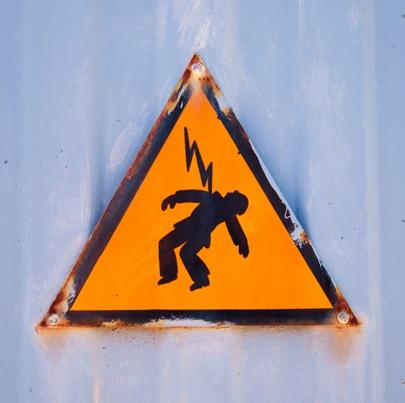
Electrical hazards are found in most workplaces and identifying and correcting unsafe habits and conditions can reduce the number of serious burns, shocks, and electrocutions that occur every year. Between 2004 and 2013, 1,881 employees lost their lives to electrical incidents in the workplace. Over 400 of those deaths occurred with less than 200v of electrical charge.

Mental and behavioral health issues are causing more women to get hurt on the job. As many as 60 percents of workplace injuries to women are connected to depression, anxiety, and fatigue. For employers and employees alike, understanding this risk is critical to keeping the workplace safe.

The Illinois Workers’ Compensation Act requires employers to provide medical care to cure the effects of a workplace injury. Sometimes, those effects may not be apparent in the emergency room, or in the weeks to come.