


.svg)
 Motor Vehicle Accidents
Construction Industry Leaders Are Taking the Next Step Towards Safety
Call: (312) 609-0400
or fill out the Contact Form
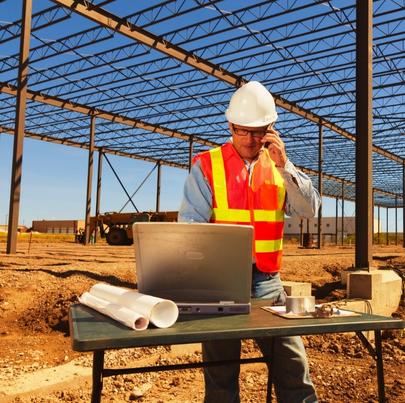
Wearables are breaking out of the consumer market and entering into industrial and construction sectors in ways that look to remake, protect workers, minimize injuries, increase productivity, and remake safety. According to industry experts, the construction industry is starting to internalize the benefits. It realizes that wearable devices may provide added benefits from a safety regulatory standpoint and further benefit worker health and safety.
Wearable Tech: What Does it do?
Wearable technology is a device that attaches to the human body to enhance its functionality. It includes everyday items like smartphones, Apple Watches and Airpods, and fitness trackers. It also covers more “sci-fi” items like the former Google Glass, as well as industry-specific technology like virtual reality glasses with heads-up displays for industrial workers and exoskeletal suits for industry and construction workers.
The purpose of wearables is to enhance human function. It could be as simple as providing noise-canceling features like on headphones and as complex as increasing strength and endurance and minimizing workplace injury, like with exoskeletal suits.
Construction Industry Adoption
Traditionally construction lags behind other industries in adopting cutting-edge technology. However, as new data emerges showing benefits for construction firms and workers, the industry is starting to adopt these technologies quickly. Companies that use wearable technologies that reduce worker injury and fatigue enjoy lower premiums for their general liability policies and are subject to fewer fines and investigations by the Occupational Health and Safety Administration (OSHA).
Industry adoption of wearables is focused on safety. In 2018, according to OSHA, 21.1% of worker fatalities were in construction. The push to adopt these devices is also coming from insurance. Major insurance companies are conducting studies finding that incorporating wearable technology can save lives (and thus reduce insurance costs on companies). Companies that incorporate these technologies enjoy competitive advantages over their peers because they can demonstrate savings and stand out.
Incorporating Wearables
Each company is different and faces different needs. According to OSHA, over half of worker fatalities were caused by falling objects, electrocution, getting caught-in or between something, and falling (i.e., the “Fatal Four”). Not every company will have the same safety needs, so experts recommend using technologies that fit into their safety concerns.
Some wearable devices incorporate sensors and video to monitor worker conduct to assess when and how workers are exposed to dangerous substances like silica. Other devices measure body movement, which helps workers understand how their body is affected by their work.
Call: (312) 609-0400
or fill out the Contact Form
About the Author

In recent years, courts have overturned hundreds of criminal convictions in Chicago after uncovering patterns of police misconduct that undermined the integrity of investigations and prosecutions. Many of these cases involve allegations of improper tactics by former Chicago police officers, including former CPD Commander Jon Burge, former Sgt. Ronald Watts, and former Detective Reynaldo Guevara. […]
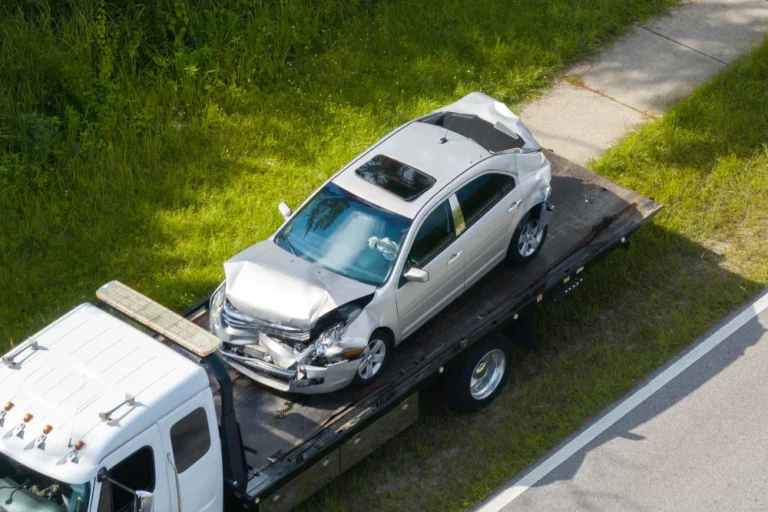
On January 1st, a new Illinois law went into effect. This law was designed to crack down on rogue tow truck operators and protect drivers during some of their most vulnerable moments—right after an accident. For years, Illinois drivers have reported alarming stories: tow trucks arriving within minutes of a crash, vehicles being hauled away […]

The holidays are one of the busiest—and most stressful—travel seasons of the year. Whether you’re heading out for a long road trip or flying to visit family, a little preparation can go a long way in preventing accidents, protecting your home, and keeping your loved ones safe. As personal injury attorneys, we see firsthand how […]